
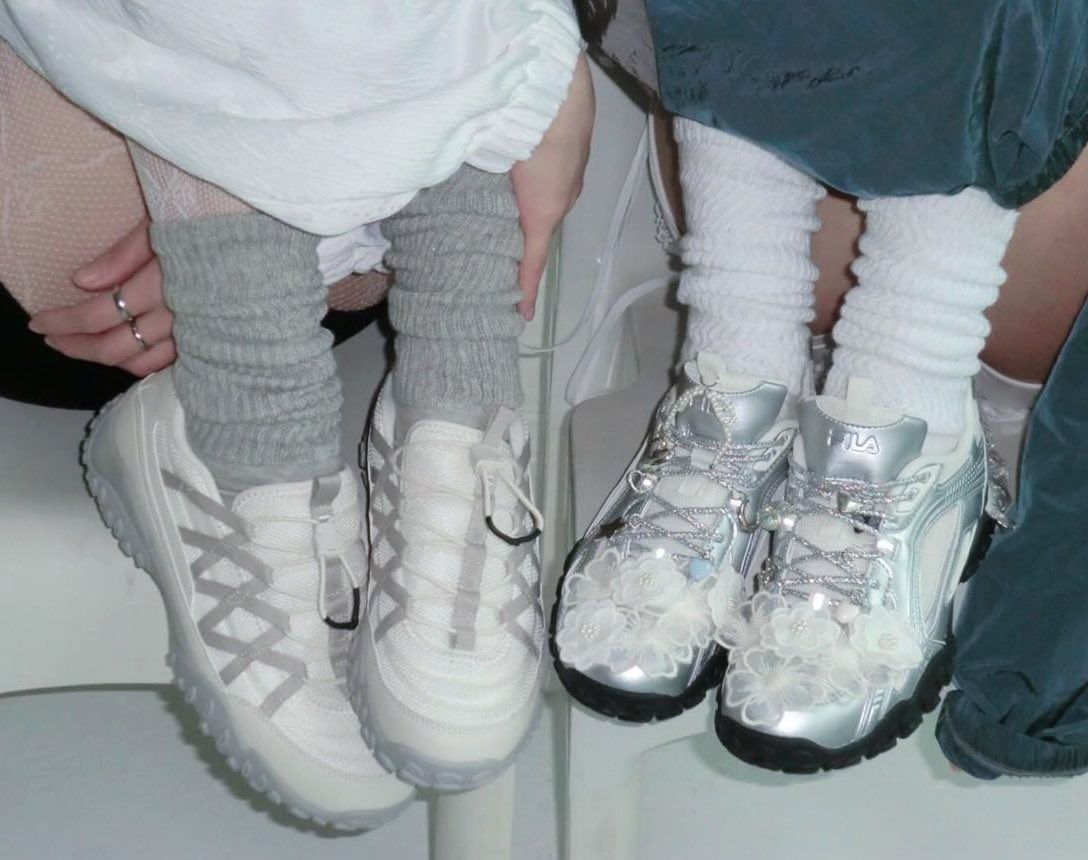
What Makes a Shoe Acubi?
In the acubi aesthetic, shoes follow one rule above everything else: they complete the outfit without competing with it. Acubi footwear is not the statement piece. It is the quiet final note that makes the whole look land.
The previous version of this page described Oxford shoes, Goodyear welt construction, and professional business meetings. None of that is acubi. Acubi shoes are loafers, Mary Janes, minimal white sneakers, platform shoes, and clean ankle boots. They are chosen from a muted palette, carry no visible branding, and are worn with the same deliberate casualness that defines every other element of the aesthetic.
Multiple acubi styling guides consistently identify the same footwear logic: shoes in this aesthetic do two jobs. They add visual weight and groundedness to otherwise soft, flowing clothing combinations. And they carry the Y2K and Korean street fashion references that separate acubi from plain minimalism. Mary Janes nod to early 2000s schoolgirl dressing. Platform soles add the nostalgia that separates acubi from quiet luxury. Loafers bring the Korean preppy-street hybrid energy the aesthetic is built on.
"Finish with footwear that adds nostalgia. Mary Janes, platform sneakers, or simple loafers each reinforce the Y2K-meets-soft-aesthetic energy that makes acubi so distinctive."
True Self Stylist — Acubi Fashion: The Complete Style GuideThe Korean Footwear Market: Why It Matters
Acubi footwear does not exist in isolation. It emerged directly from South Korea's fashion ecosystem, one of the most active and fastest-growing footwear markets in the world.
South Korea Footwear Market Size Growth (USD Billion)
Relative industry size scale. Sources: Statista Market Insights, IMARC Group
According to Statista's South Korea Footwear Market Forecast, the largest segment of the Korean footwear market is boots, with a market volume of USD 3.53 billion in 2025. Non-athletic footwear, which includes loafers, Mary Janes, and structured flats, accounts for 93% of total Korean footwear sales. This is not a market dominated by performance sneakers. It is a market built around exactly the kind of clean, non-athletic shoes that define acubi.
South Korea is also notable for footwear infrastructure. According to InvestKOREA, the government maintains a dedicated Korea Institute of Footwear and Leather Technology in Busan, one of the few government-operated footwear research institutions in Asia. This institutional investment reflects how seriously Korea treats footwear as both a manufacturing industry and a cultural product.
More than 30 foreign luxury fashion houses, including Celine, Chloe, Givenchy, and Moncler, have established Korean subsidiaries in recent years, treating the country as a primary design and trend hub, according to InvestKOREA investment news. Korea's footwear consumers are among the most design-aware in the world, which is precisely why the shoes produced within Korean fashion culture (including the acubi shoe aesthetic) are so precisely defined.
The History Behind Acubi's Key Shoe Types
Understanding why loafers and Mary Janes define acubi footwear requires knowing where these shoes came from and what cultural meaning they carry.
Mary Jane: Comic Strip to Cultural Icon
According to Wikipedia's documented history of Mary Jane shoes, the style takes its name from a character in Richard Outcault's "Buster Brown" comic strip (1902). Broad rounded toe boxes with single instep buckle straps became childhood staples before emerging as a massive Y2K runway and schoolgirl revival canon.
Loafers: Norwegian Fishermen to Prep Streets
The loafer originated in 1930s Norway, combining traditional moccasins with clean slip-on structures for local fishermen. American designers refined the Penny Loafers, which Ivy League students adopted in the 1950s. Korean street fashion later elevated this prep staple into the ultimate minimalist everyday slip-on.
Y2K Brings Both Styles Back
Loafers and Mary Janes dominated early 2000s Korean youth styling. Platform variants of both models became structural signatures. When the contemporary acubi movement emerged in 2022, it inherited these platform soles as essential visual anchors to ground wide, flowing clothing pieces.
Acubi Footwear Canon Establishes Globally
Gen Z stylists across social platforms established loafers and buckled flats as mandatory pieces. Premium Korean streetwear brands like Matin Kim, Sappun, and Cueren structured entire capsules around these silhouettes, making them global footwear search staples.
The 5 Core Acubi Shoe Types
These five shoe types appear consistently across every acubi styling source. All five share the same properties: muted palette, no visible branding, clean silhouette, design that serves the outfit.
Loafers & Flats
Leather or faux leather with flat or low block heels. The definitive preppy-street crossover styling staple worn with pants, skirts, or knits.
Mary Janes
Single buckled instep strap, flat or platform. Delicate yet nostalgic early-2000s school vibes, styled perfectly with ribbed calf-high socks.
Minimal Low-Tops
Low-profile sneakers in plain white or cream canvas/leather. Entirely unbranded so they disappear and highlight the draped pants silhouette.
Ankle Leather Boots
Clean leather block-heel or chunky boots in black, cream, or taupe. Adds valuable visual weight to soft linen skirts and baggy pants.
Platform Styles
Chunky lug or platform bottoms on loafers, trainers, or strap-flats. Helps establish the core contrast of soft flowing fabrics and bold boots.
Acubi Shoes You Can Buy Now
These are our top picks for each acubi shoe category, all available on Amazon. Each one fits the aesthetic: clean silhouette, neutral palette, no heavy branding.
As an Amazon Associate I earn from qualifying purchases.
Best Loafers for the Acubi Look
Flat or low block heel, leather or faux leather. The single most-referenced acubi shoe type.
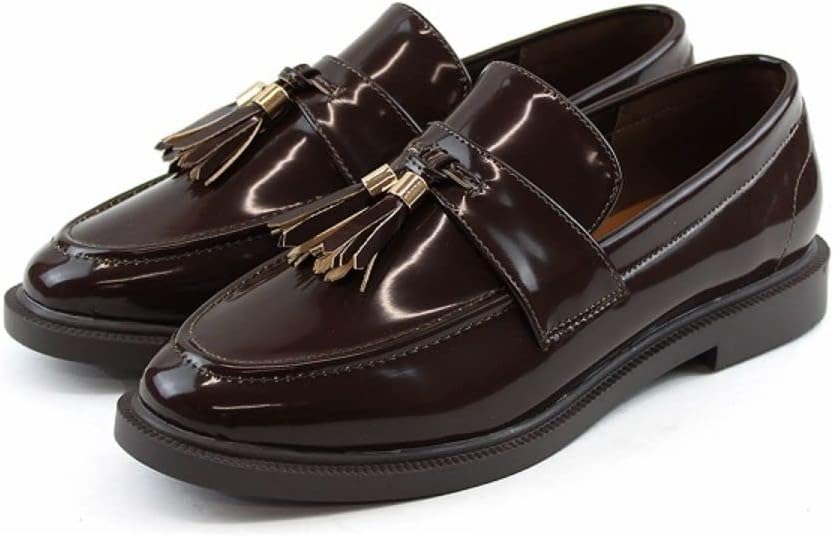
Vivian Women's Loafers
Clean slip-on silhouette in neutral tones. A solid everyday acubi loafer.
View on Amazon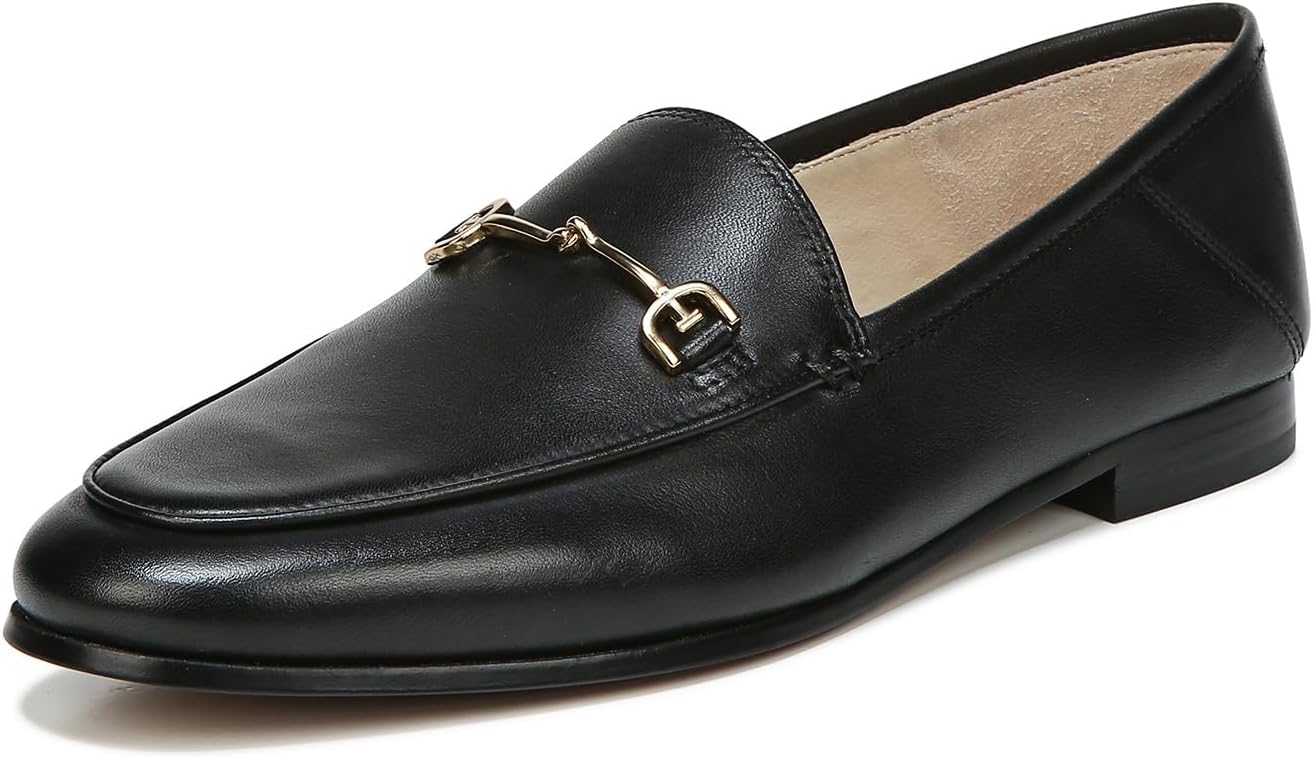
Sam Edelman Loraine Bit Loafer
Polished bit hardware, clean leather upper. The preppy-street loafer acubi is built around.
View on Amazon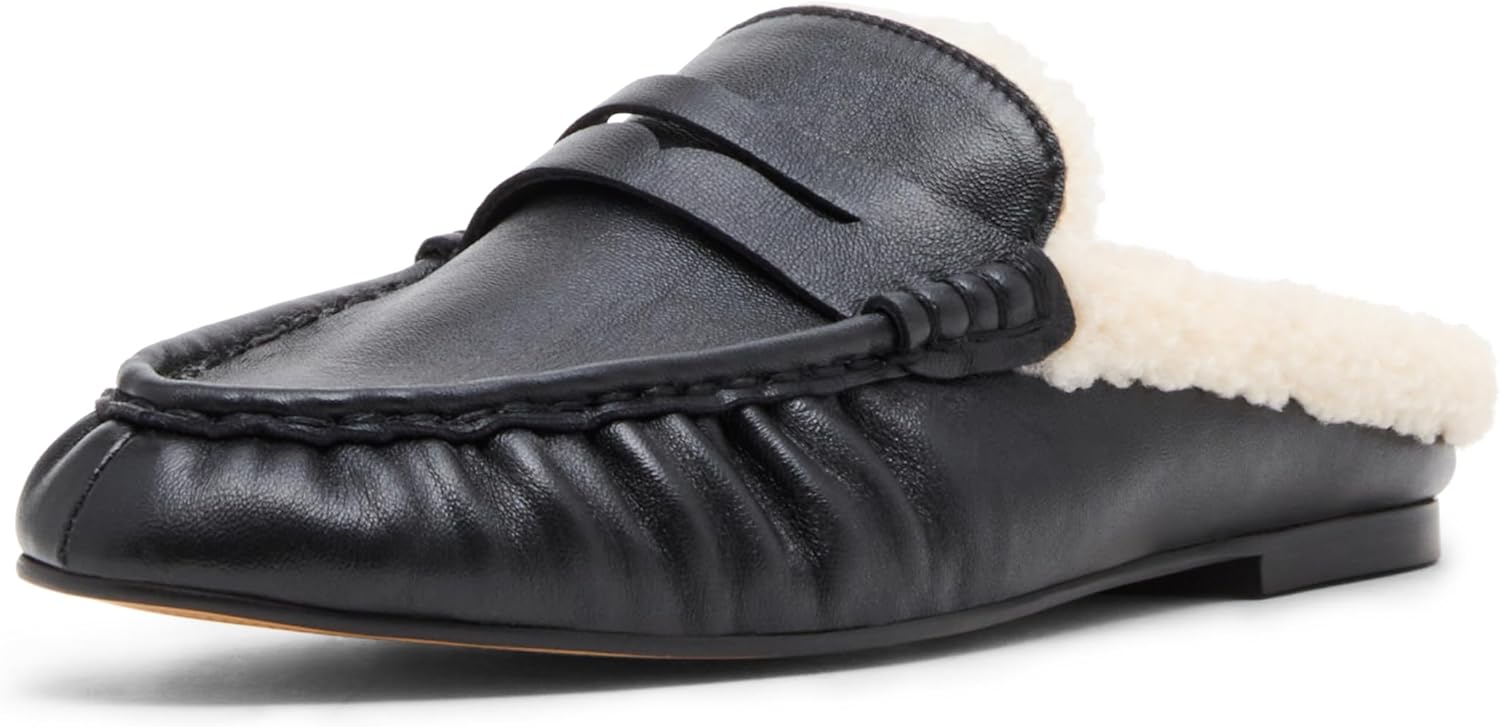
Steve Madden Rafe Loafer
Slightly chunky sole with a clean upper. Adds the subtle platform weight the aesthetic calls for.
View on AmazonBest Mary Janes for the Acubi Look
Single buckled strap, flat or platform. The Y2K anchor of the acubi shoe rotation.
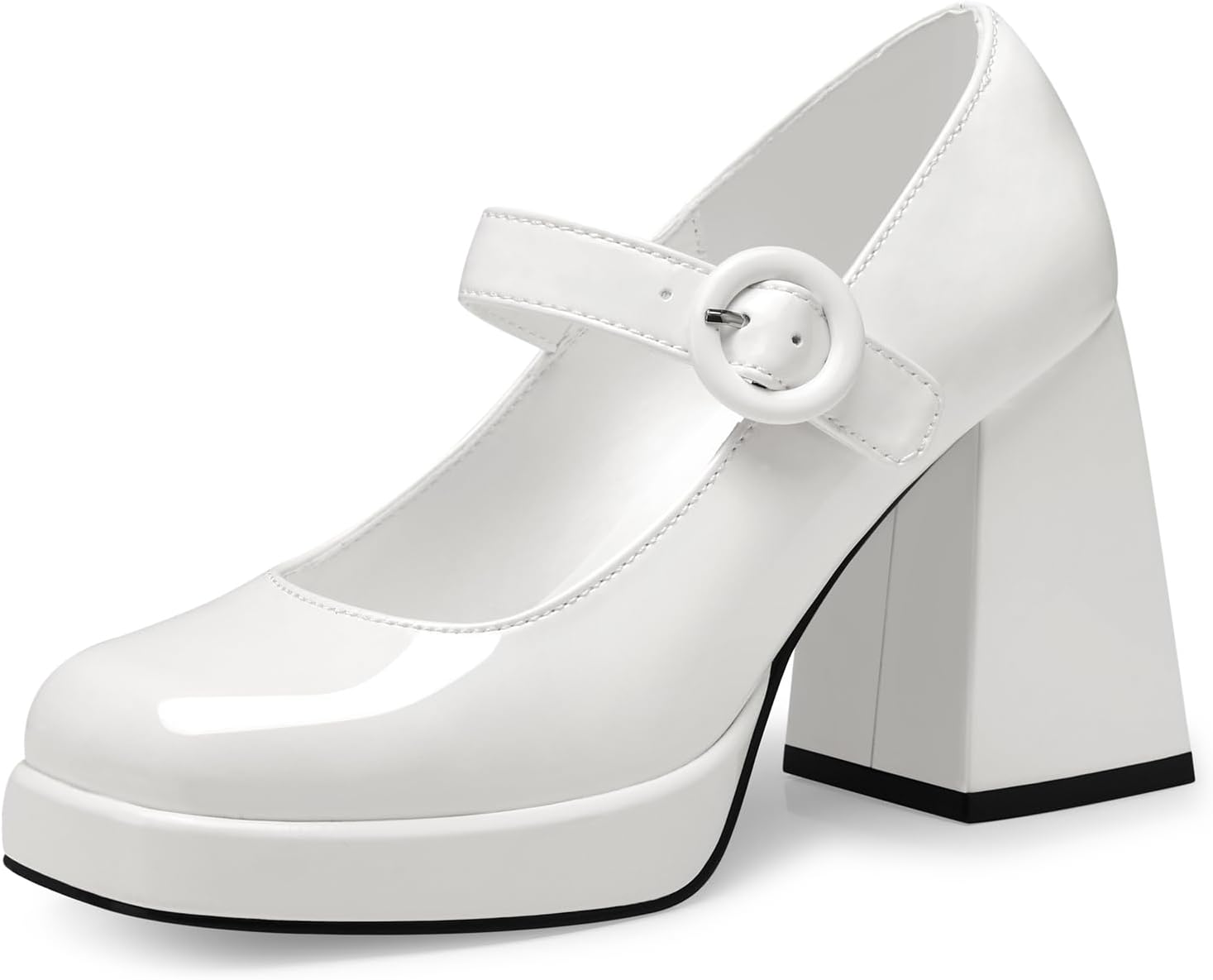
CELLENZ Women's Mary Jane Shoes
Closed toe with chunky heel. Comfortable and clean, works well with pleated skirts and ribbed socks.
View on Amazon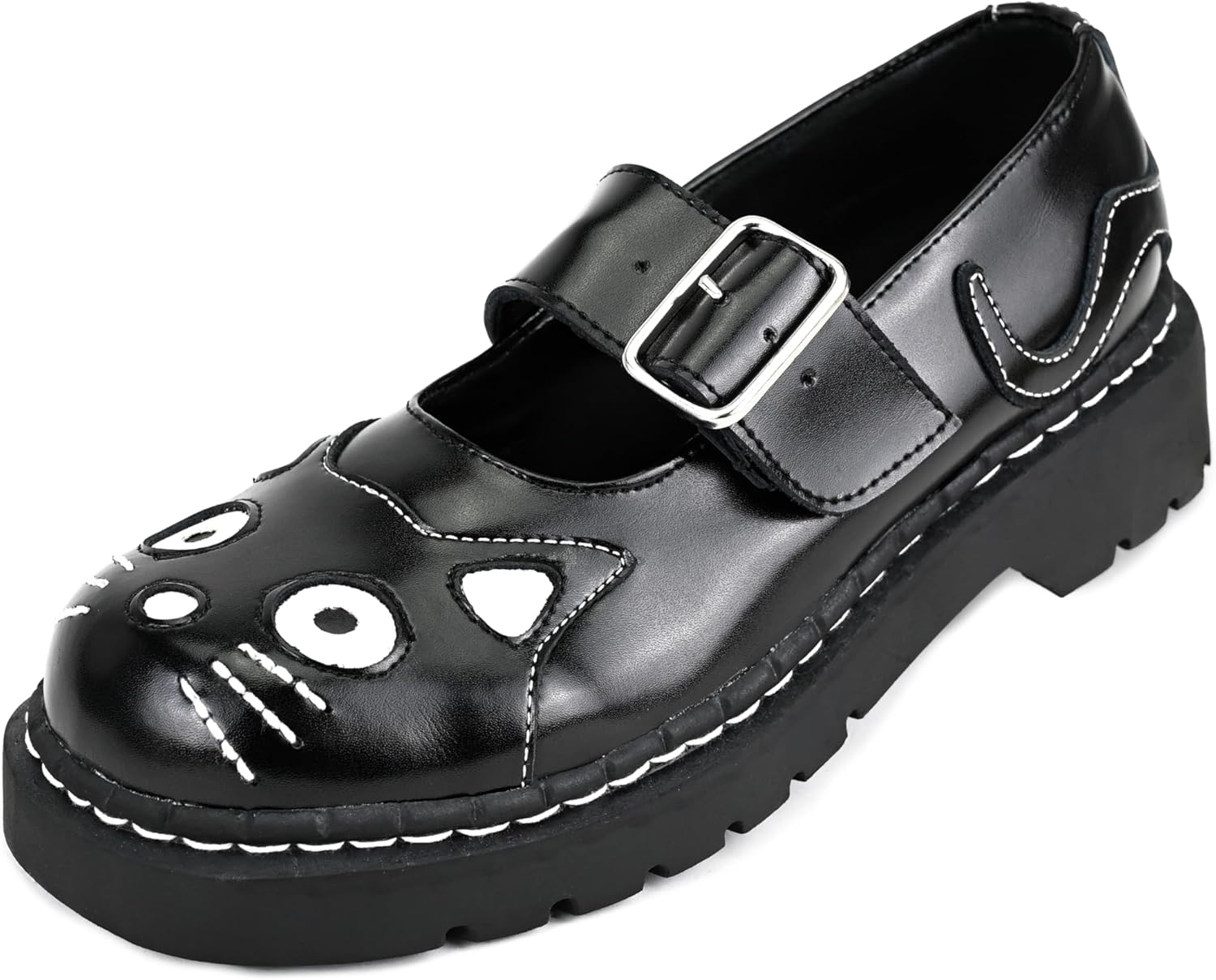
T.U.K. Kitty Cat Mary Jane
Round toe ankle strap Oxford-style. Slightly alternative edge that fits the acubi Y2K reference perfectly.
View on Amazon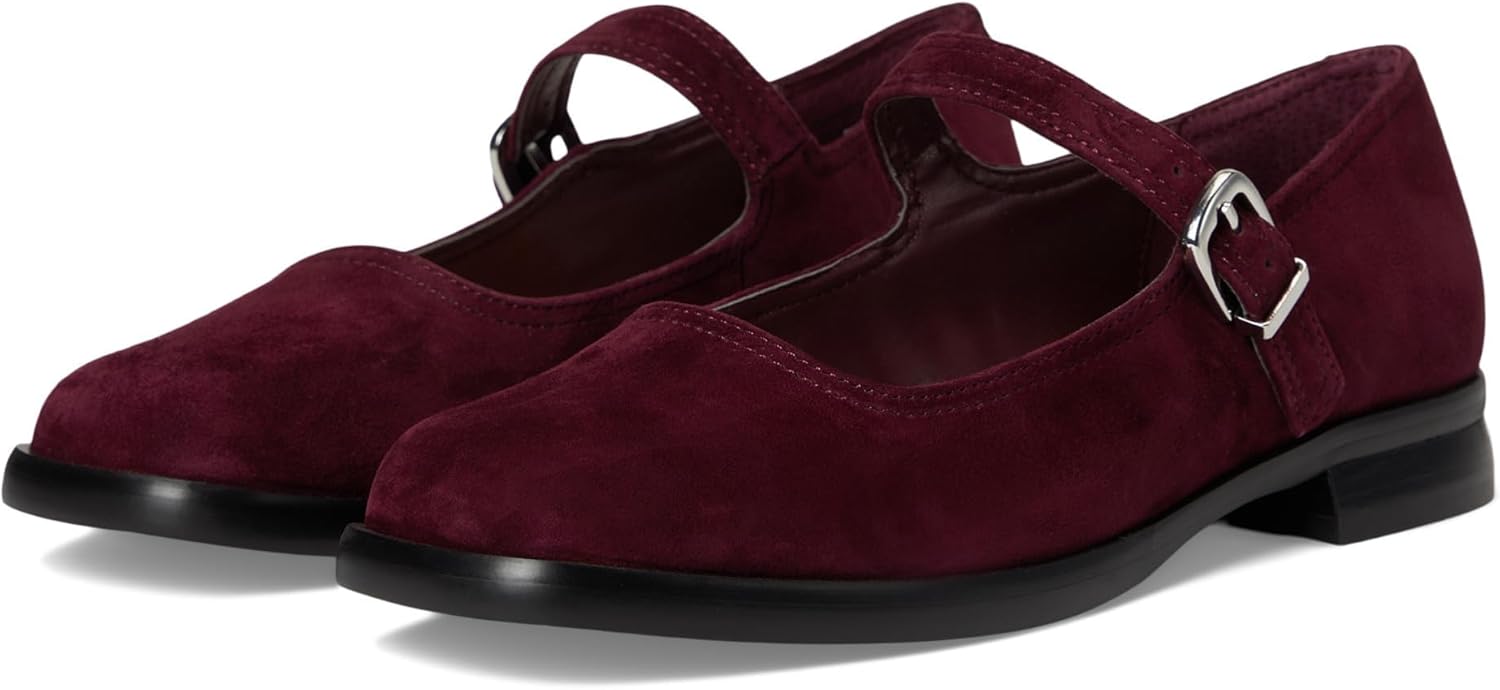
Steve Madden Delancy Mary Jane Flat
Flat profile with clean buckled strap. The most wearable everyday Mary Jane on this list.
View on AmazonBest Sneakers for the Acubi Look
Clean white or cream low-tops only. No heavy branding, no chunky sole, no color accents.
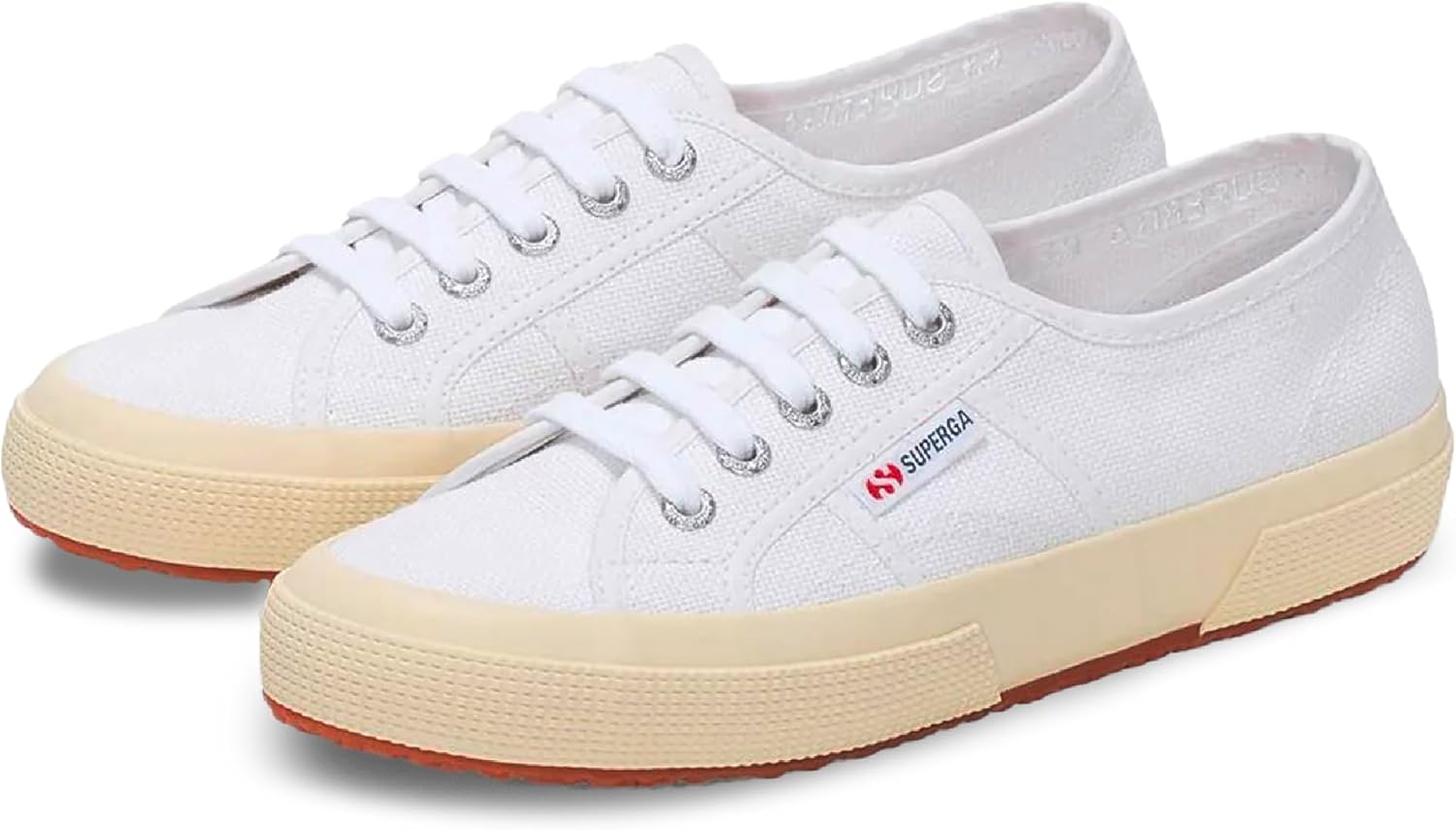
Superga 2750 Cotu Classic
Italian canvas low-top with a rubber sole. One of the cleanest no-logo sneakers available. A staple.
View on Amazon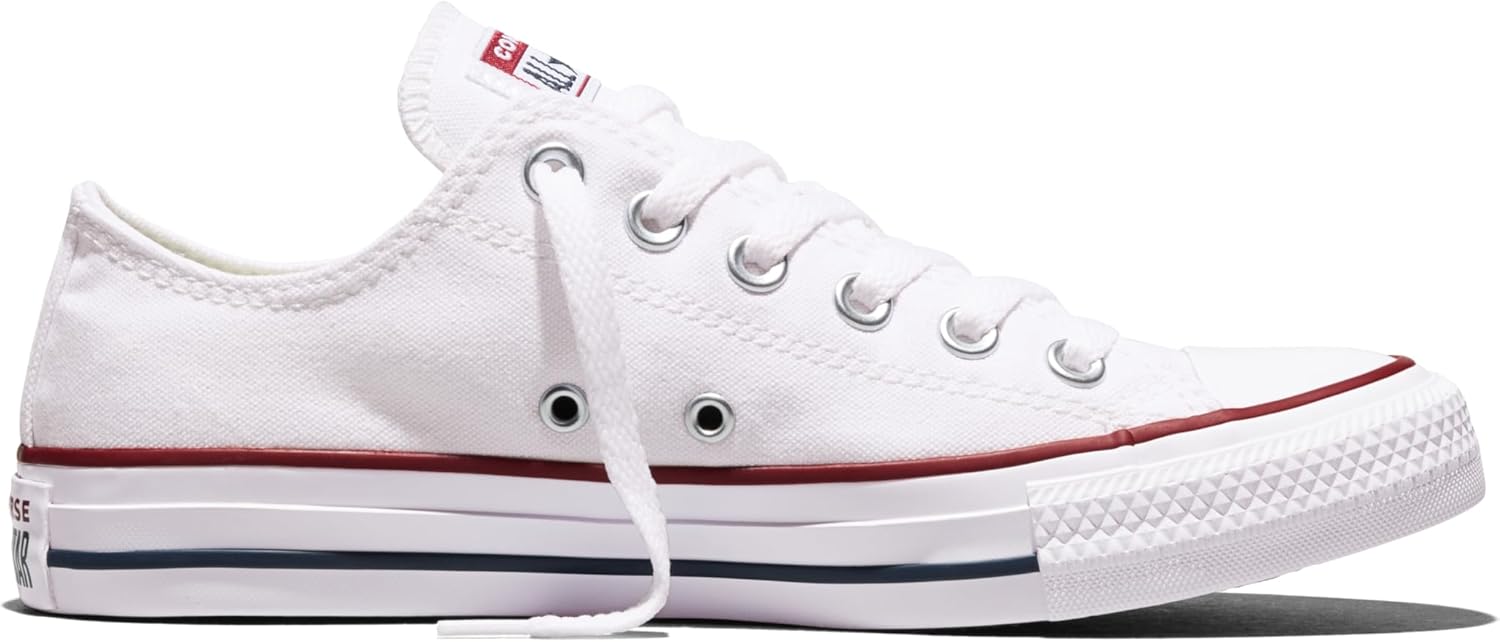
Converse Chuck Taylor All Star Low
The classic low-top canvas in white. Low profile, minimal branding, and an easy fit with straight-leg denim.
View on Amazon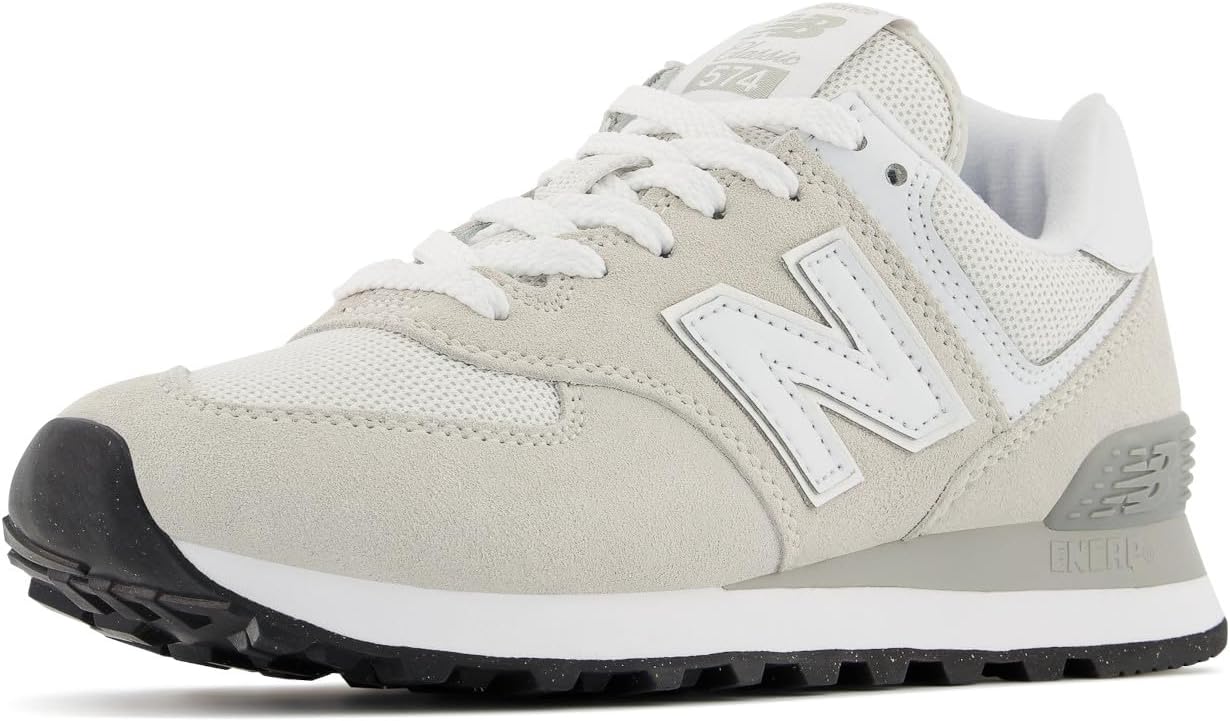
New Balance 574 Core
Slightly retro profile in neutral colorways. Works well in cream or grey for an understated acubi sneaker option.
View on AmazonBest Boots for the Acubi Look
Clean leather or suede, block heel or chunky sole. Adds visual weight to soft, flowing outfits.
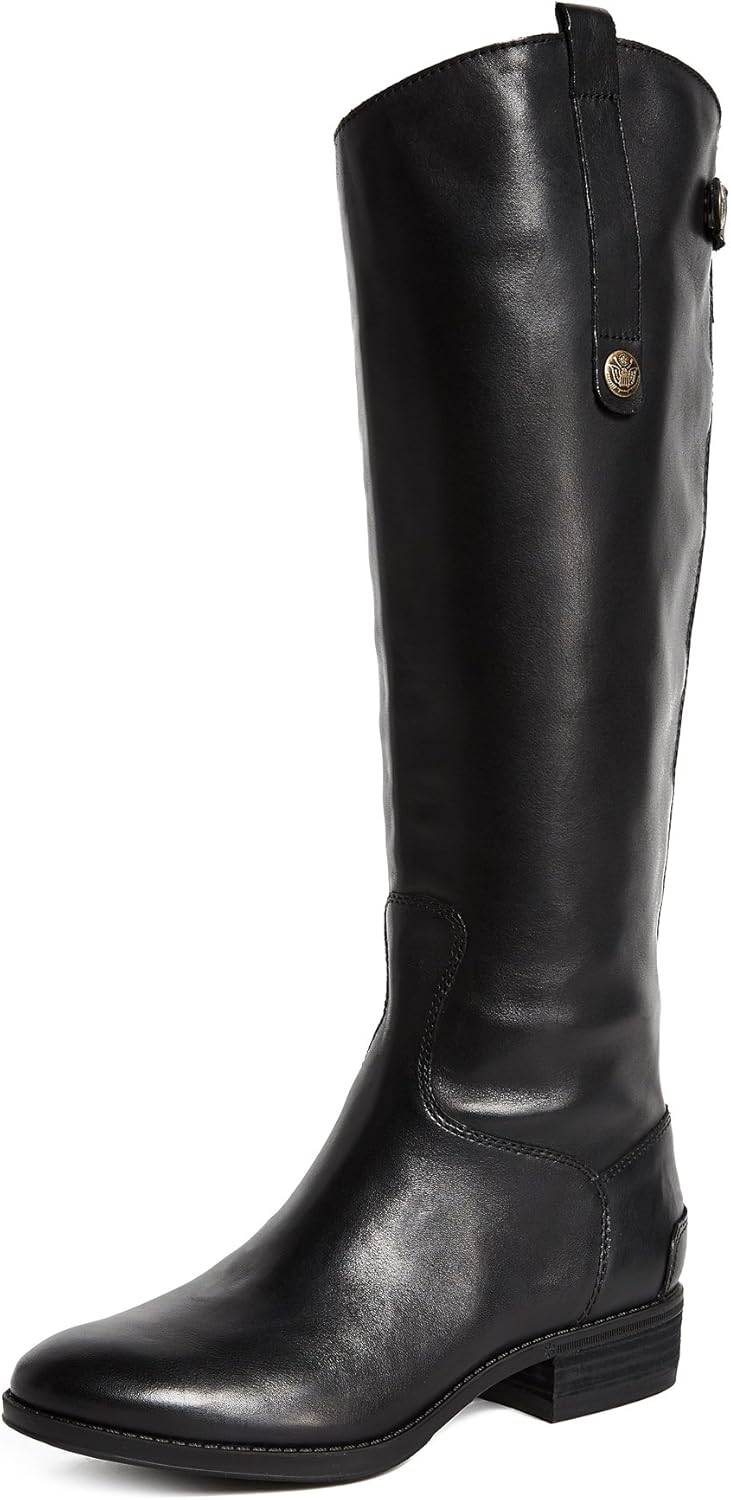
Sam Edelman Penny Riding Boot
Tall leather riding boot in neutral tones. A clean, structured option for autumn and winter acubi outfits.
View on Amazon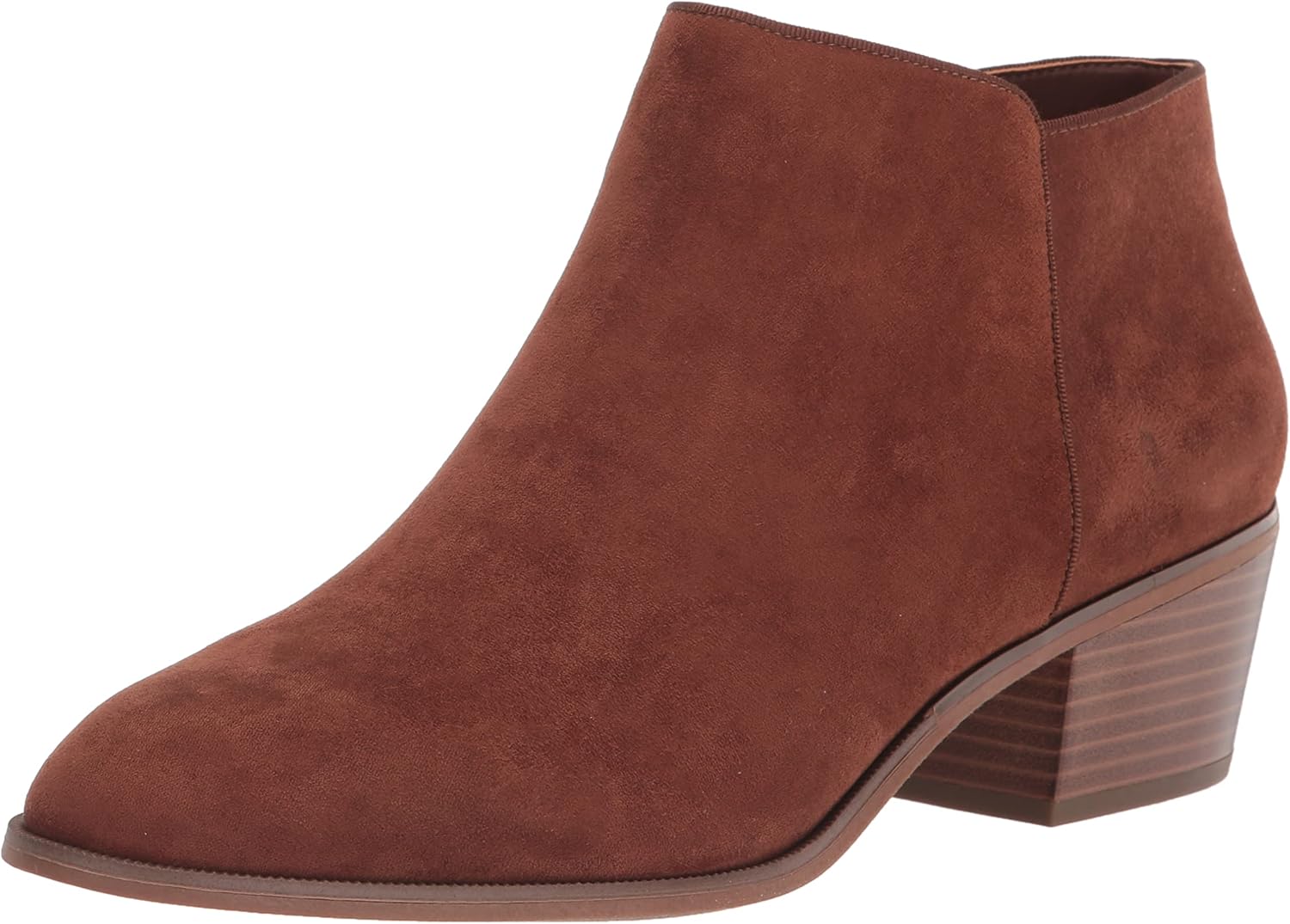
Amazon Essentials Block Heel Ankle Boot
Affordable block heel ankle boot in classic colorways. Does the job cleanly without drawing attention away from the outfit.
View on AmazonOutfit Formulas by Shoe Type
Each shoe type in the acubi rotation works best with specific clothing combinations. These are the formulas that appear most consistently across Korean street fashion and acubi styling references.
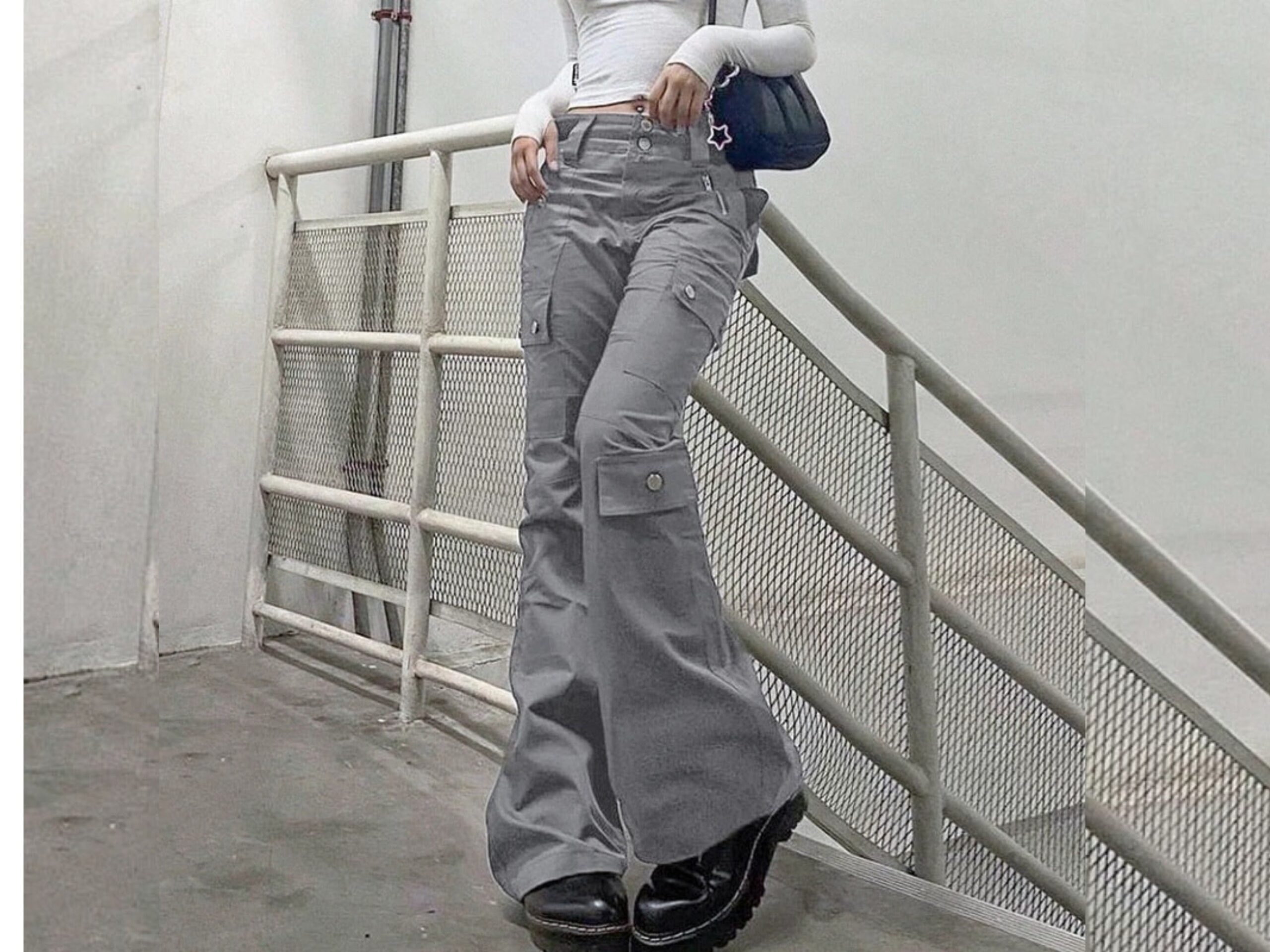
Loafers + Wide-Leg Trousers + Oversized Knit
The foundational acubi formula. Cream or beige trousers, oatmeal or warm grey knit tucked center-front, and clean leather loafers. Single desaturated tone, three textures.
Mary Janes + Pleated Mini Skirt + Loose Linen Shirt
Flat or platform buckled Mary Janes. Pleated mini skirt in grey or beige. Relaxed open linen shirt over a fitted cropped tee, styled with mid-calf ribbed white socks.
White Sneakers + Straight-Leg Jeans + Baby Tee + Cardigan
Clean white low-top canvas/leather sneakers, washed grey straight-leg denim, neutral baby tee, and an oversized open crop cardigan layering the top sections.
Ankle Boots + Wide-Leg Trousers + Longline Coat
Chunky-sole block-heel ankle boots in charcoal or taupe. Wide-leg pleated trousers pooled over the boots, and a matching longline wool coat for clean lines.
Colors and Finishes: The Acubi Shoe Palette
Acubi footwear operates within a deliberately narrow color palette. According to the Statista South Korea Footwear Market data, non-luxury footwear accounts for 93% of Korean footwear consumption, and the dominant consumer preference in Korean fashion is for versatile, understated styles that coordinate across multiple outfits rather than statement pieces.
The acubi palette reflects this exactly. Shoes should either disappear tonally into the outfit or create subtle contrast through texture rather than color:
- White and cream: The most common acubi shoe color. Works with every neutral outfit combination.
- Black: The second most common. Mary Janes and loafers in black are the most referenced specific shoe descriptions across acubi style guides.
- Taupe, beige, and warm grey: For loafers and ankle boots. Adds tonal harmony with cream and beige clothing combinations.
- Navy: The one non-neutral that works. Dark enough to function as a near-black without being predictable.
Finishes That Work
- Matte leather or faux leather: The standard acubi finish. Clean, intentional, ages well visually.
- Suede or suede-look: Adds texture contrast against smooth fabrics without introducing color. Best on loafers and boots.
- Patent leather (Mary Janes only): Black or white patent Mary Janes are a specific Y2K-reference that works in acubi. Do not apply to loafers or sneakers.
- Clean canvas (sneakers only): White canvas low-tops are standard and widely worn.
Footwear Rules: What to Wear and What to Avoid
Frequently Asked Questions
The five core acubi shoe types are loafers, Mary Janes, minimal white or cream low-top sneakers, clean ankle boots, and platform shoes. All five share the same properties: muted color palette, no visible branding, clean silhouette, and a design that completes the outfit rather than drawing attention to itself. Loafers are the single most consistently referenced acubi shoe type across styling guides and Korean street fashion sources.
Mary Janes are a direct Y2K reference built into the acubi aesthetic. As documented in Wikipedia's history of Mary Jane shoes, the style dates to the early 1900s and became closely associated with schoolgirl fashion. Their revival in Y2K-era Korean fashion, particularly in school and street contexts, is what connects them to acubi. The single instep strap is a precise visual signal of that era without being loud or costume-like about it.
According to Statista, South Korea's footwear market was estimated at USD 8.18 billion in 2025, projected to grow at a CAGR of 2.51% to 2030 reaching 148.1 million pairs volume. Non-athletic footwear accounts for 93% of the market, reflecting consumer preference for clean, versatile everyday styles over performance shoes. Between 60 and 65% of South Korean footwear sales now happen through e-commerce channels, according to ECDB market data.
Yes. Clean white or cream low-top sneakers are one of the most worn shoe types in the acubi aesthetic. The key is minimal: low-top profile, no heavy branding, no chunky sole, no multi-color accents. The sneaker should read as a background element of the outfit, not a statement. Chunky streetwear sneakers or performance running shoes do not fit the aesthetic even in white colorways.
Visible socks are very acubi. Mid-calf or ankle socks in white, cream, or grey worn so they are visible above the shoe is a consistent styling choice across Korean street fashion references. Ribbed cotton socks in neutral tones add texture without breaking the palette. This applies especially to Mary Janes and loafers. The visible sock above the shoe is not an accident in acubi outfits. It is part of the look's identity.
Korean brands are the closest to the source: Matin Kim for trend-forward loafers and Mary Janes, Sappun for affordable retro Korean styles, and Cueren for handcrafted leather shoes with a minimalist aesthetic, as documented by Harper's Bazaar Singapore. Western accessible brands including COS, Mango, & Other Stories, and Zara regularly carry loafers and Mary Janes in acubi-compatible colorways. You can also find great options on Amazon: see our picks above.