
Acubi PFP
Everything you need to know about acubi profile pictures: what makes a great acubi PFP, how to take one, pose ideas, background choices, and platform-specific tips for TikTok, Instagram, and Pinterest.
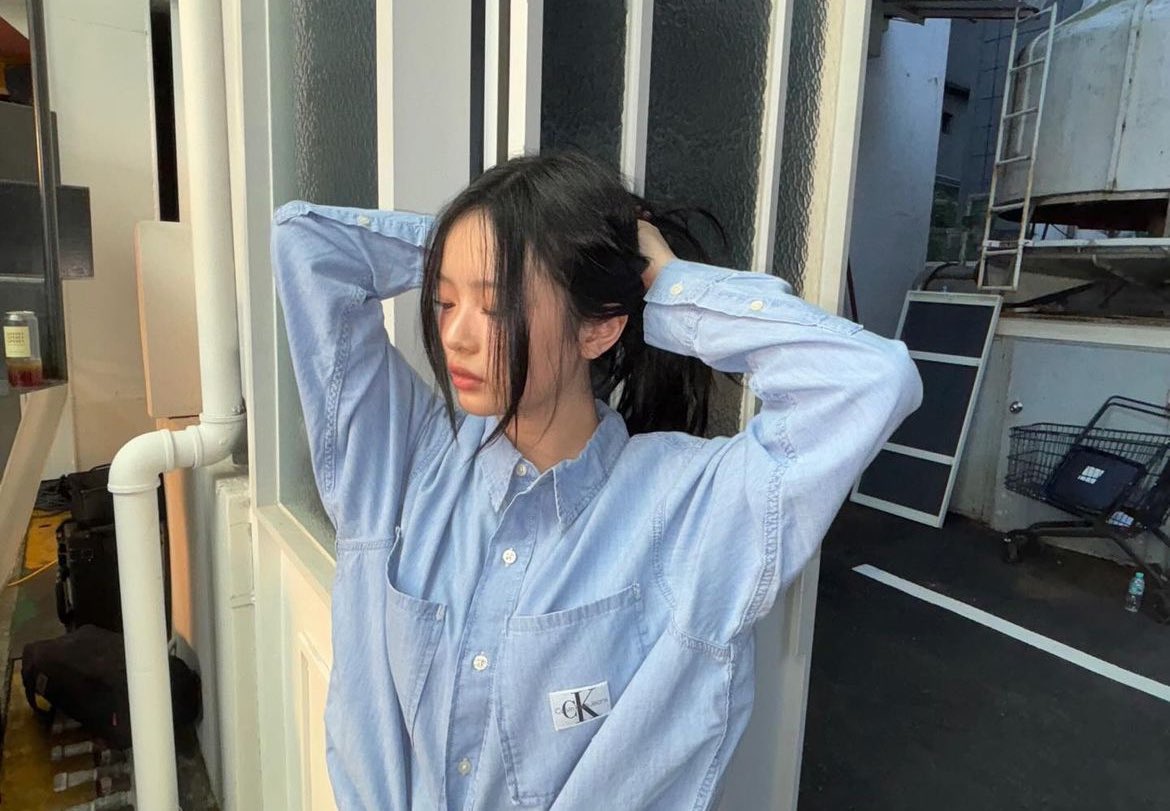
What Is an Acubi PFP?
An acubi PFP is a profile picture that reflects the acubi aesthetic: clean, minimalist, neutral-toned, and effortlessly put-together. PFP stands for profile picture, the image that represents you across social media platforms like TikTok, Instagram, Pinterest, and Twitter or X.
The acubi PFP has become one of the most searched aesthetic profile picture styles among Gen Z, largely because the visual identity of acubi translates so naturally to a single image. A neutral outfit, clean background, natural lighting, and an unposed or lightly posed photo captures the entire vibe of the aesthetic instantly.
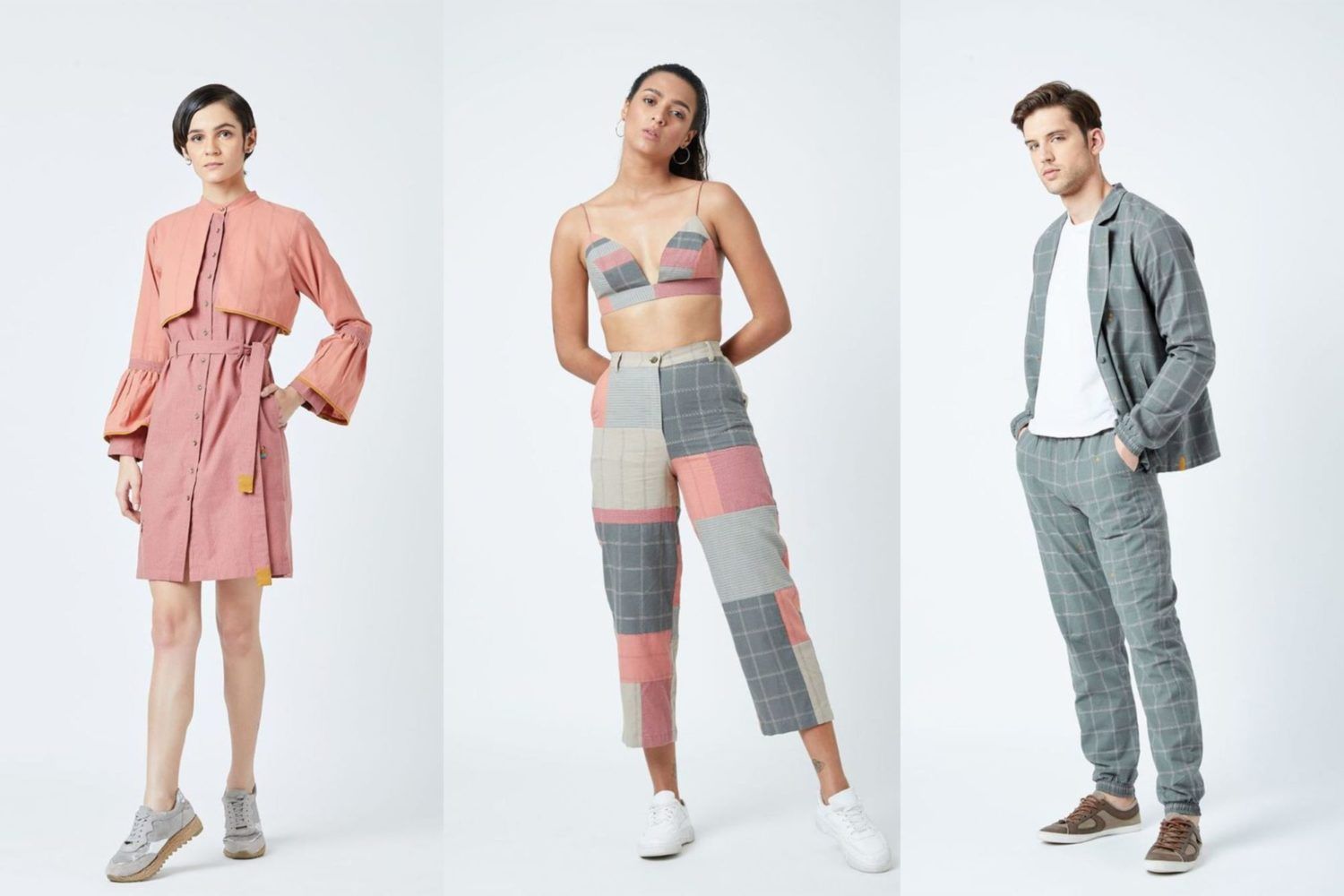
"Your acubi PFP is the first thing someone sees. It should feel like the cover of a well-edited lookbook: calm, considered, and immediately recognizable."
A great acubi PFP does not need to be professionally photographed or heavily edited. In fact, the most effective acubi profile pictures look natural and candid rather than polished and staged. The key is getting the outfit, lighting, and background right so that the aesthetic is immediately legible.
Key Elements of a Great Acubi PFP
Every strong acubi PFP shares the same core elements. Getting these right is more important than any camera equipment or editing app you use.
Neutral Outfit
Clothing within the acubi neutral palette: cream, beige, stone gray, camel, or near-black. Bold colors or loud prints immediately break the aesthetic.
Natural Lighting
Soft natural light, ideally from a window or outdoors in indirect sunlight, gives acubi PFPs their signature clean, luminous quality.
Clean Background
A simple, uncluttered background lets the outfit and person take center stage. Plain walls, minimal urban settings, or soft natural environments work well.
Considered Framing
Face and shoulder crop or three-quarter body shot. Full body shots can work but lose facial detail at profile picture size.
Minimal Editing
Lightly edited or not at all. A slight brightness boost and subtle warmth adjustment is enough. Heavy filters contradict the natural, effortless feel.
Relaxed Expression
An unforced, natural expression. A soft gaze, a slight look away from the camera, or a natural candid expression all read as authentically acubi.
What to Wear in Your Acubi PFP
The outfit you choose for your acubi PFP is the most important element. Since the image will often be cropped to show only your face and upper body, focus especially on the top half of your outfit.
Top Half: A cream or white ribbed knit top is the most instantly recognizable acubi top. A sheer or crochet layering top in a neutral tone works equally well. An oversized blazer or camel coat photographed at shoulder height immediately signals the aesthetic.
Layering: Even in a profile picture cropped to show only face and shoulders, layering makes a visible difference. A crochet sweater over a ribbed tank adds visual depth that makes acubi outfits distinctive.
Accessories: Keep accessories minimal and close to the face. A thin silver chain necklace, small stud earrings, or a simple ring. Avoid large statement jewelry.
Hair: Hair should look clean and natural rather than heavily styled. Loose natural hair, a simple low bun, or straight unstyled hair all suit the aesthetic.
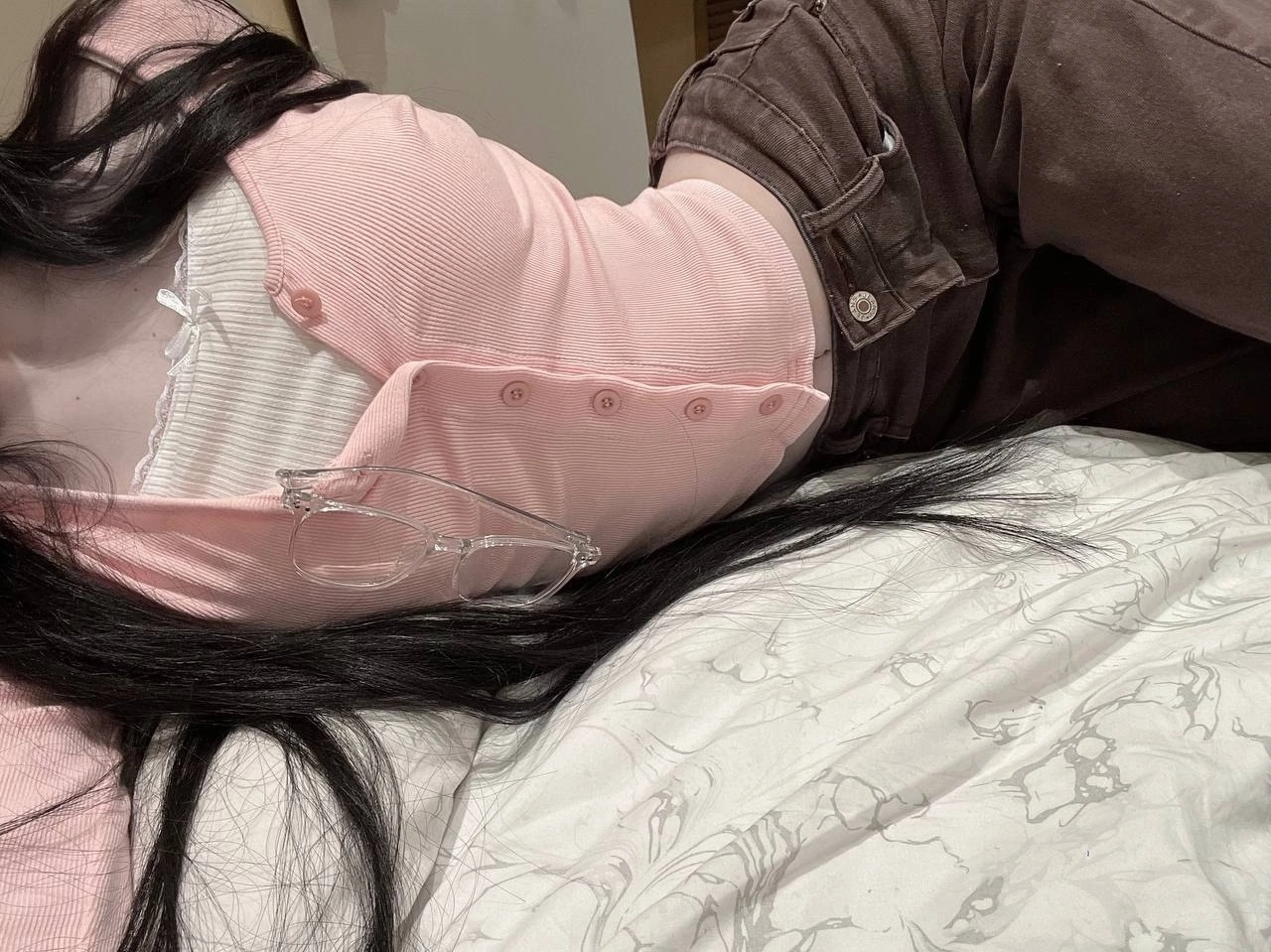
How to Take an Acubi PFP
You do not need a professional camera or a photographer. A modern smartphone, the right lighting, and a simple background are all you need.
- 01Choose your time of dayThe best natural light for acubi PFPs comes from an overcast day outdoors or from soft window light indoors. The golden hour shortly after sunrise or before sunset gives a warm, luminous quality. Avoid harsh midday sun which creates strong shadows.
- 02Set up your backgroundFind a clean, simple wall, a minimal urban setting, or a natural environment with soft colors. Step far enough away from the background that it blurs slightly, keeping the focus on you. Check that nothing distracting is visible behind you.
- 03Position your light source in front of youYour light source should be in front of you or slightly to the side, not behind you. Light from behind creates a silhouette effect. Light from the front or side illuminates your face evenly and creates the clean, bright quality of good acubi PFPs.
- 04Use portrait mode or keep distancePortrait mode creates a shallow depth of field that blurs the background. If not available, simply stand a reasonable distance from your background and let the natural perspective do the same job.
- 05Take more photos than you think you needTake at least 20 to 30 shots. The best acubi PFPs often come from a quick candid moment between posed shots. Give yourself enough options to find the one that looks most natural and effortless.
- 06Edit lightly and keep it warmSlightly increase brightness and add a touch of warmth. Reduce harsh shadows slightly. Do not use heavy filters, dramatic color grading, or skin smoothing tools. The result should look like a slightly improved version of the original.
- 07Crop for the platformMost platforms display PFPs as circles. Make sure your face is centered. A face and shoulder crop usually works best at profile picture scale. If using a body shot, place your face in the upper third of the frame.
Acubi PFP Pose Ideas
The best acubi PFP poses feel natural rather than staged. Here are six approaches that consistently produce strong acubi profile pictures.
Best Backgrounds for Acubi PFP
The background should support the aesthetic without competing with it. Here are the backgrounds that work best and what to avoid.
Plain Neutral Wall
A white, cream, beige, or light gray wall. Clean, distraction-free, keeps all focus on you and your outfit.
Soft Greenery
Light green leaves or trees softly blurred. Adds a natural, organic quality. Keep greenery out of focus so it reads as texture.
Minimal Urban
A clean concrete wall, simple building facade, or quiet street with minimal visual noise in neutral tones.
Window or Interior
A simple, clean interior background: a window with soft light, a minimal room, or a plain door. Keep the interior tidy and neutral.
Overcast Sky
An overcast or softly clouded sky, often shot from slightly below. Creates a clean, minimal, atmospheric background in neutral tones.
Seasonal Nature
Autumnal trees, bare winter branches, spring blossoms in soft focus. Natural seasonal backgrounds that stay within a muted palette.
Backgrounds to avoid: busy or cluttered environments, strongly colored walls, neon or bright lighting, backgrounds with visible text or logos, and anything that draws more visual attention than the person in the foreground.
Acubi PFP by Platform
Different platforms display profile pictures differently. Here is how to optimize your acubi PFP for each major platform.
TikTok
TikTok displays PFPs as small circles next to your username and in the bottom left corner of your videos. A close face and shoulder crop with your face centered works best. Bright, clean lighting is more important on TikTok than on any other platform because of how small the PFP appears in the video feed.
Instagram displays PFPs in a circle on your profile page and at small sizes in the feed and stories. A slightly wider crop than TikTok works here. Three-quarter body shots that show your outfit can work well since visitors often look at the profile page directly before following.
Pinterest is a highly visual platform where aesthetics are taken seriously. An acubi PFP on Pinterest benefits from slightly more editorial quality: good natural light, a clean background, and an outfit that clearly communicates the aesthetic. A strong acubi PFP helps signal what kind of content they will find on your profile.
Twitter and X
Twitter and X display PFPs at very small sizes in the timeline but at a larger size on the profile page. A clean face and shoulder crop that reads well at both sizes is the safest choice. The acubi aesthetic works particularly well on Twitter and X because the minimalist quality stands out in a feed that tends toward high-contrast images.
Frequently Asked Questions
Start Building Your Acubi PFP
Explore all guides, style breakdowns, and aesthetic inspiration on Acubi Blog.
Browse Acubi Blog