
Korean minimalist style, fully decoded. From the color palette and core elements to outfit ideas and how to build a wardrobe that always looks effortlessly right.
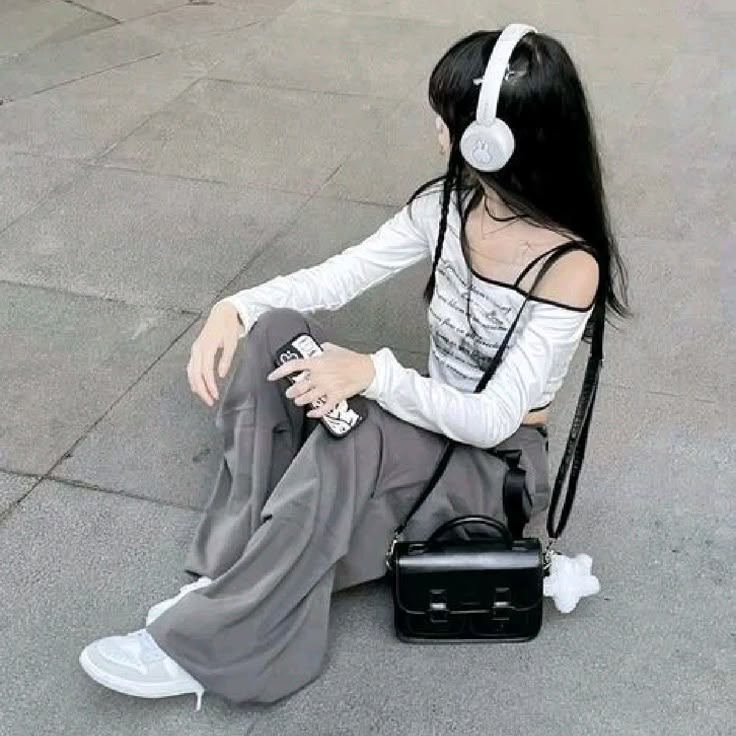
The acubi aesthetic is a Korean minimalist fashion movement built on a single, powerful idea: that restraint is more sophisticated than loudness. Neutral tones, relaxed oversized silhouettes, deliberate layering, and an almost architectural attention to how pieces relate to each other define the style.
If you have ever seen an outfit that looked impossibly put-together without appearing to have tried at all, there is a strong chance it was acubi.
Learn More
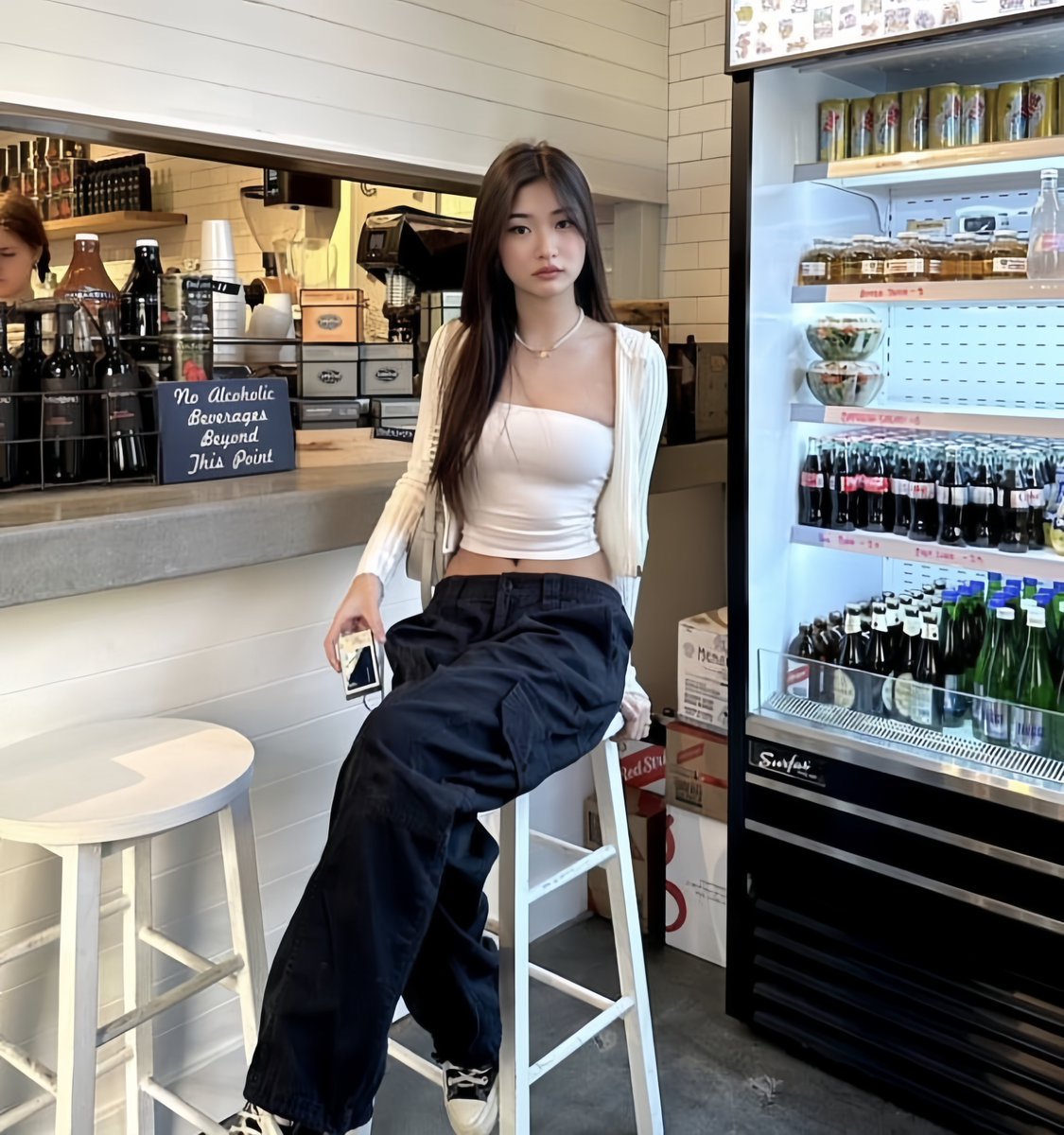
The aesthetic sits within the broader world of Korean street fashion but occupies its own distinct lane. Where K-pop fashion is often colorful and theatrical, acubi is quiet and deliberate. It is fashion for people who want their wardrobe to reflect a calm, considered personal style.
Acubi style originated from South Korean street fashion in the early 2020s. The Acubi Club brand, based in Seoul, was a central reference point: clean minimalist pieces in neutral tones that were photographed, shared, and widely replicated on social media.
From Seoul, the style spread through Douyin, the Chinese version of TikTok, where its neutral palette and deliberate simplicity performed exceptionally well in short video content.
By 2023 and 2024, acubi had grown into a recognized global aesthetic with dedicated communities on TikTok, Pinterest, and Instagram.




The acubi aesthetic is defined as much by its color palette as by its silhouettes. Every color sits within a family of neutrals and muted earth tones. There are no saturated colors, no bold primaries, no neons.
The key rule of the acubi palette is tonal harmony. Every piece in an outfit should sit within the same color family so combinations feel natural and effortless.
Occasional muted versions of other colors can appear in acubi outfits: a dusty sage green, a soft slate blue, a pale lavender. They must always be desaturated, never vivid.
Beyond color, acubi has a defined set of visual elements that distinguish it from other minimalist or Korean-inspired styles.

The acubi approach to dressing: considered, clean, and always cohesive
Acubi is frequently searched alongside other Korean and alternative fashion styles. Understanding where it sits among those aesthetics makes it clearer what acubi is and what it is not.
Y2K is loud and nostalgic. Acubi is quiet and neutral. Completely opposite energy.
Cutecore celebrates childhood whimsy. Acubi is more adult and restrained.
Cottagecore is romantic and nature-inspired. Acubi is urban and architectural.
| Aesthetic | Core Vibe | Colors | How It Differs from Acubi |
|---|---|---|---|
| Acubi | Quiet cool minimalism | Neutrals, earth tones | The reference point |
| Y2K | Bold, nostalgic, expressive | Metallics, brights, pastels | Y2K is loud. Acubi is quiet. Completely opposite energy. |
| Cutecore | Kawaii-inspired, playful | Soft pinks, pastels, lavender | Cutecore celebrates childhood whimsy. Acubi is more adult and restrained. |
| Jirai Kei | Dark feminine, dramatic | Black, white, deep reds | Shares some silhouette DNA but is emotionally darker and more theatrical. |
| Cottagecore | Romantic, rural, soft | Florals, soft greens, cream | Cottagecore is romantic and nature-inspired. Acubi is urban and architectural. |
| Old Money | Preppy luxury, structured | Navy, cream, classic beige | Both use neutrals but old money is structured and preppy. Acubi is relaxed. |
| Clean Girl | Polished, healthy, minimal | White, beige, black | Clean girl is more fitted and polished. Acubi is looser and more layered. |
The simplest test to identify acubi: does this outfit feel calm, deliberate, and effortless? If yes, it is probably acubi.
Building a wardrobe around the acubi aesthetic is straightforward because the rules are consistent and clear.
Shop Now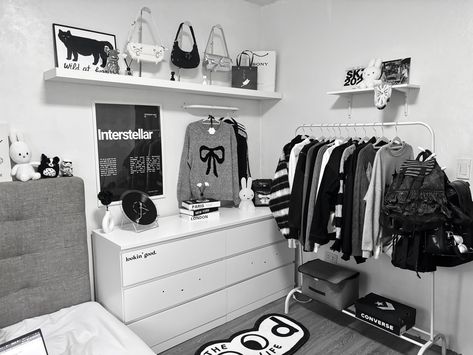
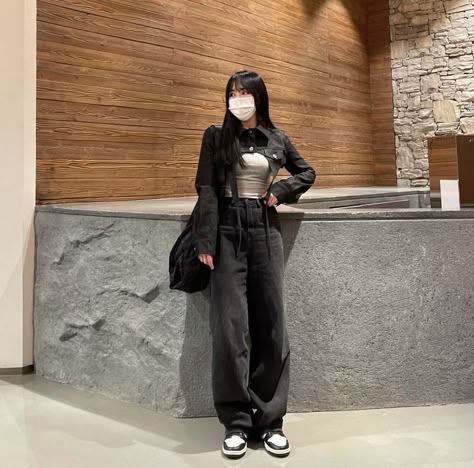
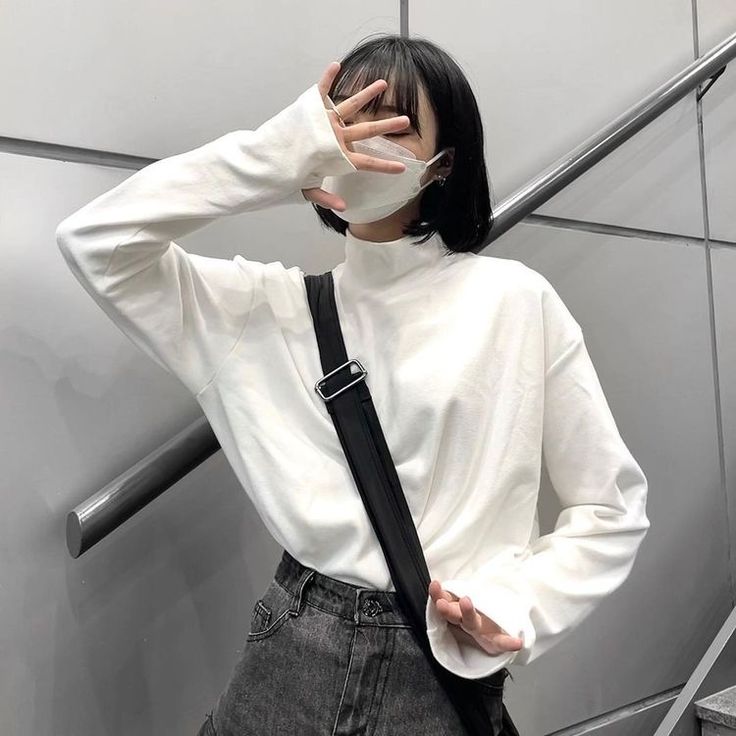
Specific outfit combinations that capture the acubi aesthetic across different moods and seasons.
One of the practical strengths of the acubi aesthetic is how naturally it adapts across different settings.

If you have active social media accounts, or have watched....
Read More
Blokecore, a tilted label you can now come across on ...
Read More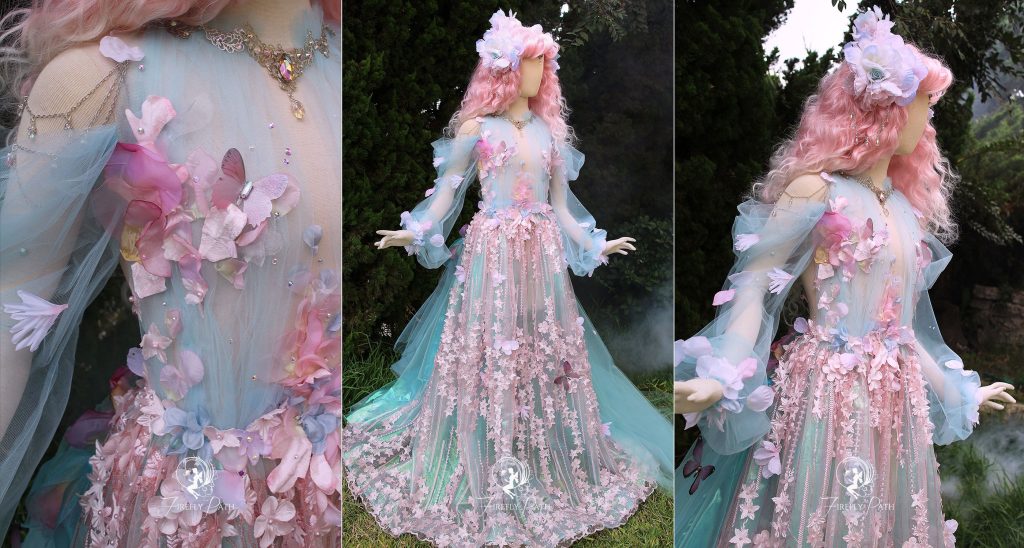
When you picture what fairycore is, it all comes back...
Read MoreThe acubi aesthetic is a Korean minimalist fashion style built on neutral tones, oversized silhouettes, intentional layering, and a quiet, effortless approach to dressing. It originated from South Korean street style and spread globally through Douyin and TikTok.
Acubi uses almost exclusively neutrals and muted earth tones: cream, warm white, beige, camel, stone gray, taupe, dark brown, and near black.
Acubi and Y2K are nearly opposite aesthetics. Y2K embraces bold colors, metallics, early-2000s nostalgia, and a loud expressive approach. Acubi is quiet, neutral, oversized, and restrained.
Acubi is one specific aesthetic within the broader world of Korean fashion. It refers specifically to the minimalist, neutral-toned, oversized aesthetic that emerged from Seoul street style.
The best acubi footwear is clean and simple: white or beige sneakers, plain leather loafers, minimalist ankle boots in brown or black, or simple sandals for warm weather.
Acubi makeup follows the same philosophy as the clothing: understated, clean, and natural-looking. A dewy base with light coverage, soft neutral eyeshadow, a tinted lip balm or soft nude lip.
Yes. Gender neutrality is a defining feature of acubi. Oversized silhouettes, neutral tones, and relaxed layering work for any body and any gender expression.
The name acubi comes from Acubi Club, a Korean fashion brand based in Seoul whose clean minimalist clothing became a reference point for the aesthetic.