
The full guide to Acubi fashion: the Korean minimalist aesthetic built on neutral tones, Y2K silhouettes, and effortless layering that has taken over social media worldwide.
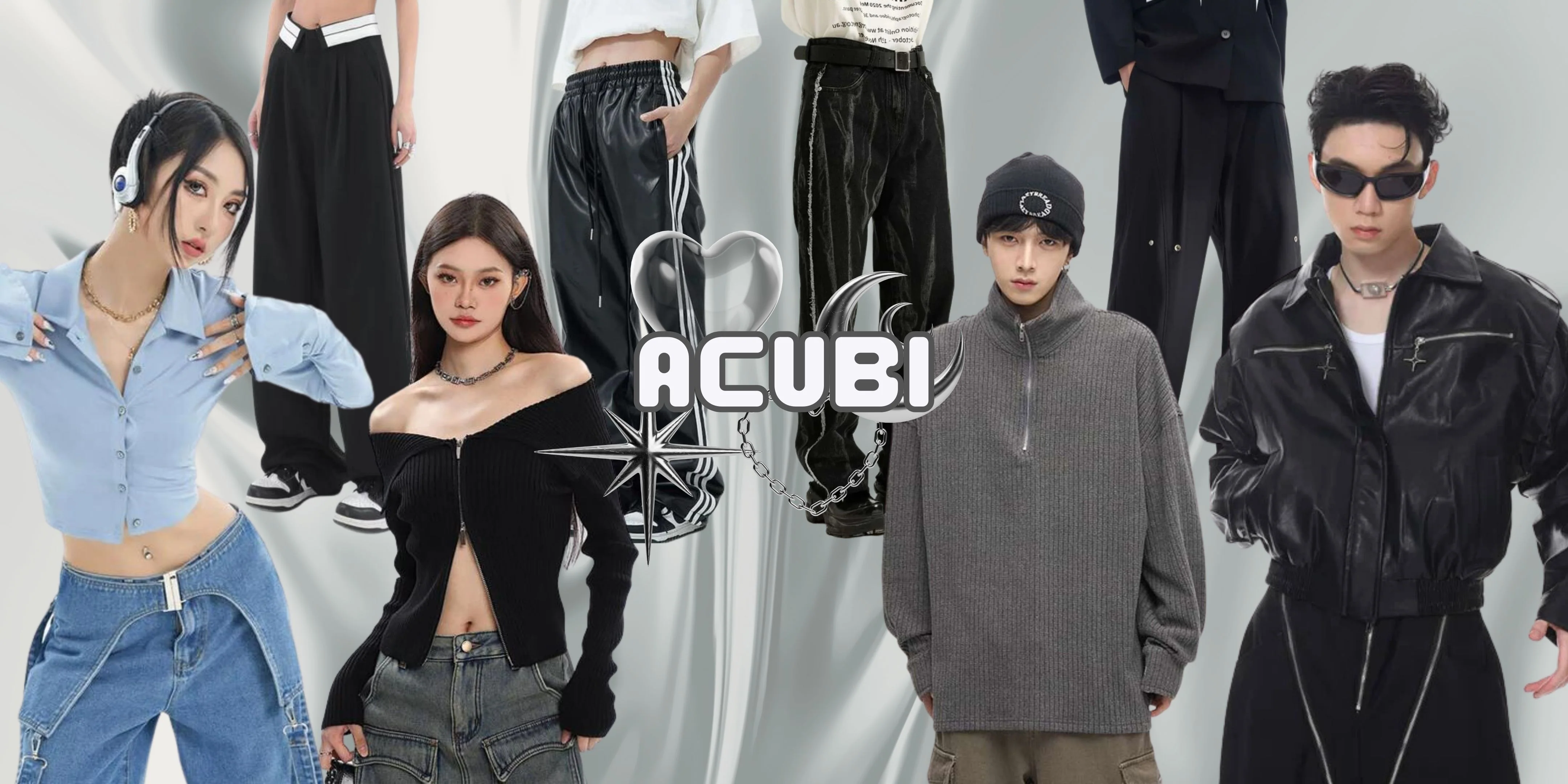
Acubi style is a Korean minimalist fashion movement that blends three intersecting aesthetics: Y2K fashion, minimalism, and subversive basics. The result is a look that feels simultaneously cool, effortless, and intentional. It is neither flashy nor boring. It is the middle ground where quiet confidence lives.
The name comes from Acubi Club, a Seoul-based streetwear brand that popularized specific combinations like bolero cardigans with cargo pants and baby tees in the early 2020s. Once K-pop idols from groups like NewJeans and Blackpink began wearing versions of the aesthetic, TikTok picked it up and transformed "Acubi" from a brand name into a global genre label for an entire category of Korean cool-girl fashion.
What separates Acubi styles from pure minimalism is attitude. Minimalist fashion can be cold and austere. Acubi keeps the clean lines but adds edge through cut-outs, asymmetric hems, mesh layers, and the kind of Y2K silhouettes that feel nostalgic without being costume-like. You can read more on our Acubi Aesthetic page.
 4.9
4.9
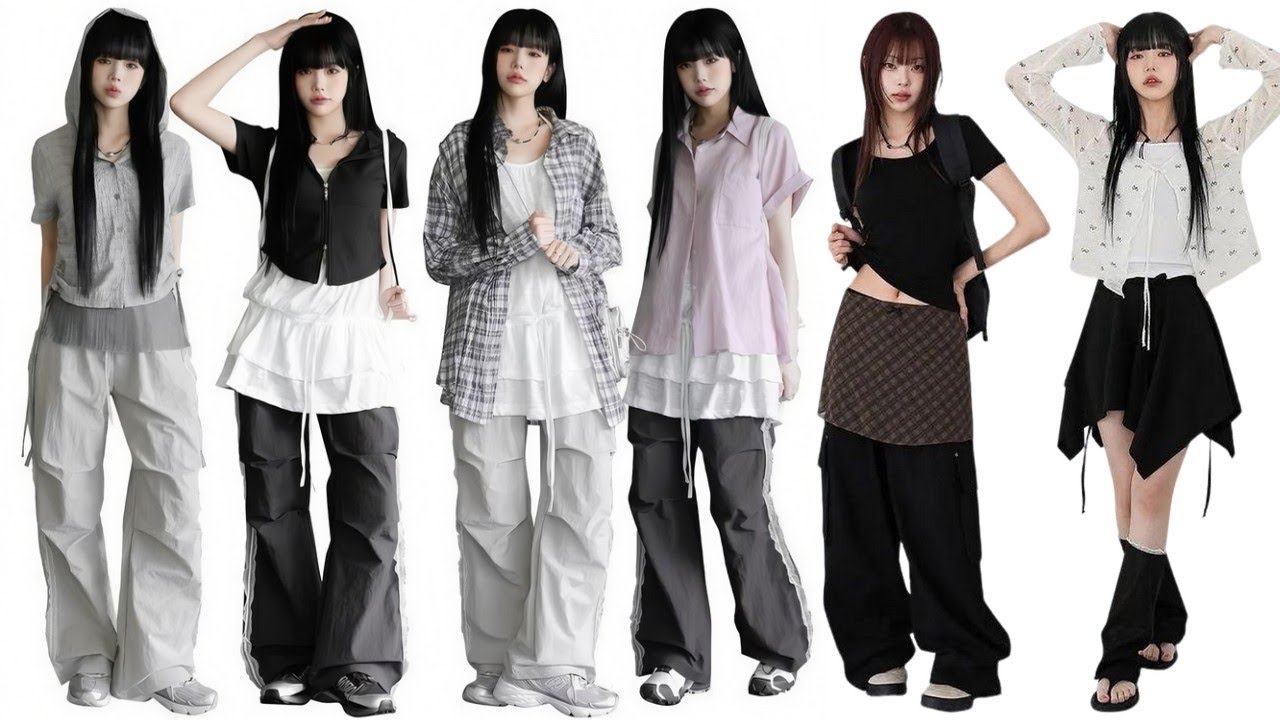
An Acubi wardrobe does not require dozens of pieces. It requires the right pieces. Neutral colors should make up at least 70 to 80 percent of the wardrobe. This is what makes the mix-and-match capability of Acubi style actually work.
Fitted, cropped, and short-sleeved in white, gray, or black. The anchor of almost every Acubi base layer.
Thin-strap tanks in neutral tones for layering under cardigans, sheer tops, and oversized jackets.
Off-shoulder necklines, cut-outs, ruched panels, or mesh inserts. These are the subversive element in subversive basics.
Low-waist baggy denim, cargo pants with utilitarian pockets, or wide-leg trousers in muted washes and neutrals.
Low-waist in black, charcoal, or dusty gray. Look for pieces with ruching, pleats, zippers, or asymmetric cuts.
Cropped moto jacket, bomber, or oversized blazer. This is the structural outer layer that completes the layered silhouette.
A quintessential Acubi layering piece. Wear over a cami or tank to let the inner layer peek through for visual depth.
One of the original Acubi Club signature pieces. Pairs with wide-leg pants and a baby tee for a classic Acubi look.
Footwear anchors the look. Chunky sneakers, platform boots, combat boots, or sleek loafers all work in the Acubi palette.
A small crossbody or hobo-shaped bag in black or gray. Optionally decorated with keychains for a personal touch.
Thin chains, stacked rings, and minimal metallic pieces. Silver dominates over gold in the Acubi aesthetic palette.
Worn with mini skirts or shorts. A small detail that adds a strong dose of Y2K personality without overwhelming the look.
The Acubi color palette is intentional, not restrictive. Muted neutrals dominate because they allow every item in the wardrobe to work together without clashing. In 2025, Acubi style has incorporated more earth tones like muted sage and dusty olive alongside the core neutrals. One accent color per outfit, kept muted, is acceptable. Two or more, and the look reads as something else entirely.
These outfit formulas cover the core Acubi combinations. Each one is built around the key principle: a contrast between fitted and relaxed, anchored in a neutral palette, with one deliberate detail that adds edge. Explore more complete looks on our Discover Acubi Outfits page.
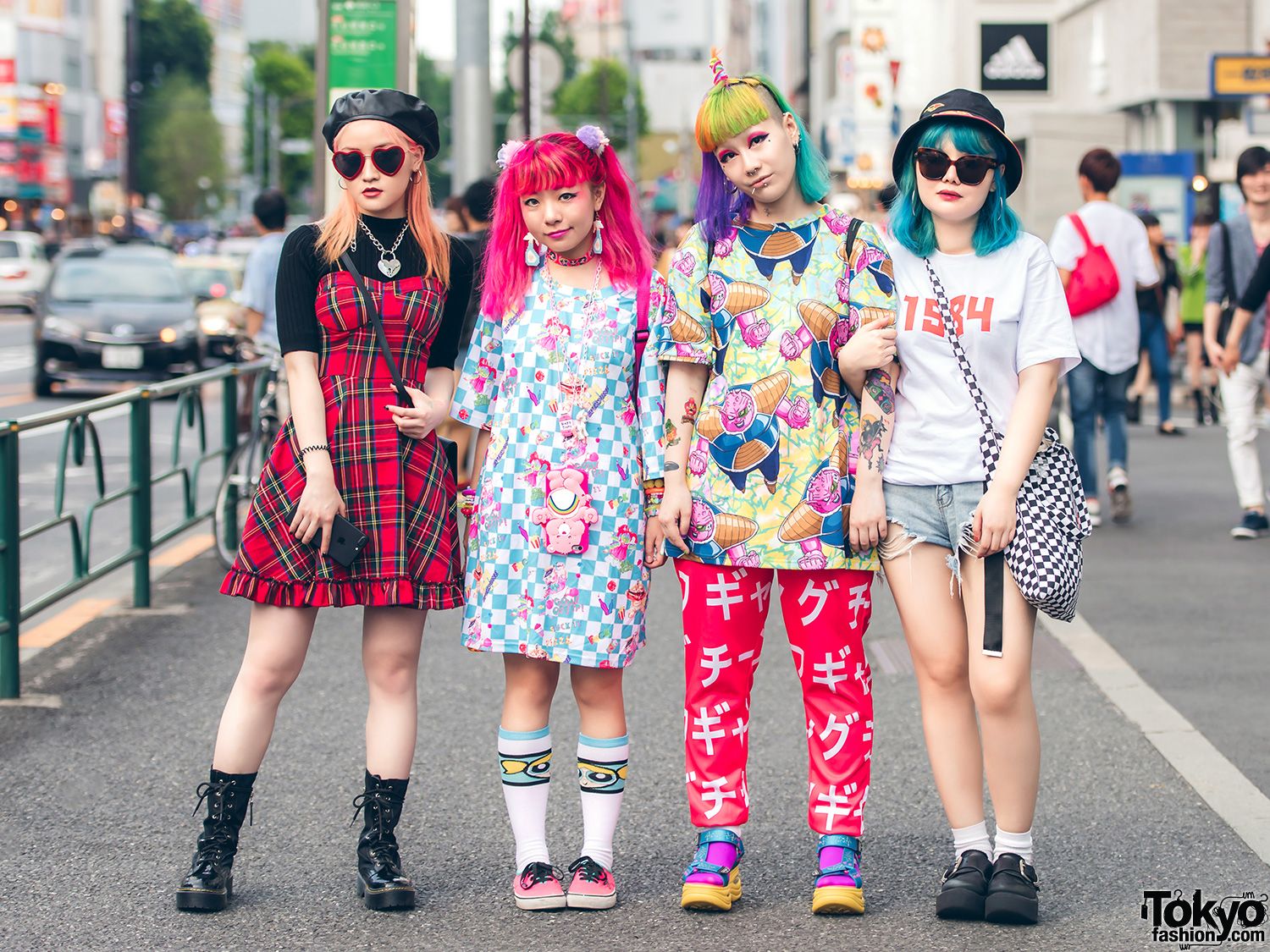
Understanding what Acubi is not helps clarify what it is. Acubi draws from several adjacent aesthetics but remixes them into something more wearable, daily-appropriate, and globally accessible.
| Feature | Acubi | Y2K | Subversive Basics | Pure Minimalism |
|---|---|---|---|---|
| Color Palette | Muted neutrals | Bright neons, bold prints | Dark, cool-tone neutrals | Strict neutrals, no edge |
| Silhouette | Fitted + oversized contrast | Low-rise, maximalist | Deconstructed, experimental | Clean, austere lines |
| Layering | Yes, intentional | Sometimes | Yes, complex | Rarely |
| Subversive Details | Subtle: cut-outs, mesh | Bold: velour, glitter | Heavy: deconstruction | None |
| Everyday Wearability | Very high | Medium | Low to medium | High |
| Gender Neutral | Yes | Partly | Yes | Yes |
| Thrift Friendly | Very much so | Yes | Moderate | Moderate |
One of the reasons Acubi fashion has lasting appeal is its seasonless adaptability. The core aesthetic carries through all four seasons because it is built on layering logic rather than trend-specific pieces. The palette stays the same. The textures and weights shift.
Acubi style has a clear visual logic. Breaking that logic is easy if you do not know the rules. These are the most common mistakes that pull an outfit out of the Acubi aesthetic.
Neons, saturated hues, and bold color-blocking immediately break the muted palette that defines Acubi. One muted accent is the maximum.
Too many accessories create visual noise. Acubi accessorizes with intent: one or two pieces, kept minimal. The outfit should speak, not the jewelry.
Acubi celebrates subtlety. Bold brand logos and heavy graphic prints compete with the clean silhouette rather than complementing it.
Loud prints disrupt the calm, curated aesthetic. Subtle stripes or tonal checks in neutral shades are acceptable. Bold florals are not.
Oversized does not mean shapeless. Acubi uses volume deliberately, contrasting it with fitted pieces to create intentional proportion.
Footwear anchors every Acubi outfit. Generic sneakers in bright colors or sandals that clash with the palette undercut even a well-built look.
Explore all guides, outfit ideas, and style inspiration on Acubi Blog and start putting together looks that actually work.
Browse All Guides