
Are they the same thing? Discover the structural, cultural, and aesthetic differences that separate Chinese platform style from global TikTok fashion trends in 2026 and 2026.
Start Reading ↓Because both platforms are owned by ByteDance and share a matching core user interface and swipe-based feed algorithm, many western users assume that fashion trends on Douyin and TikTok are identical. This is a complete misunderstanding.
Douyin and TikTok are structurally isolated digital environments. Douyin operates exclusively inside mainland China behind its own domestic server network, while TikTok serves the rest of the world. They do not share databases, content libraries, or user feeds. What goes viral on Douyin does not automatically appear on TikTok, and vice versa.
Because of this isolation, the two platforms have developed distinct fashion ecosystems. Douyin fashion is highly centralized, driven by professional content studios and massive domestic e-commerce integration. TikTok fashion is decentralized, built on niche subcultures, individual creators, and algorithmic discovery across multiple continents.
"Douyin is the kitchen where platform trends are designed. TikTok is the dining room where the world eats them."

These nine structural and cultural differences define how trends are born, how they scale, and how they eventually die on each platform.
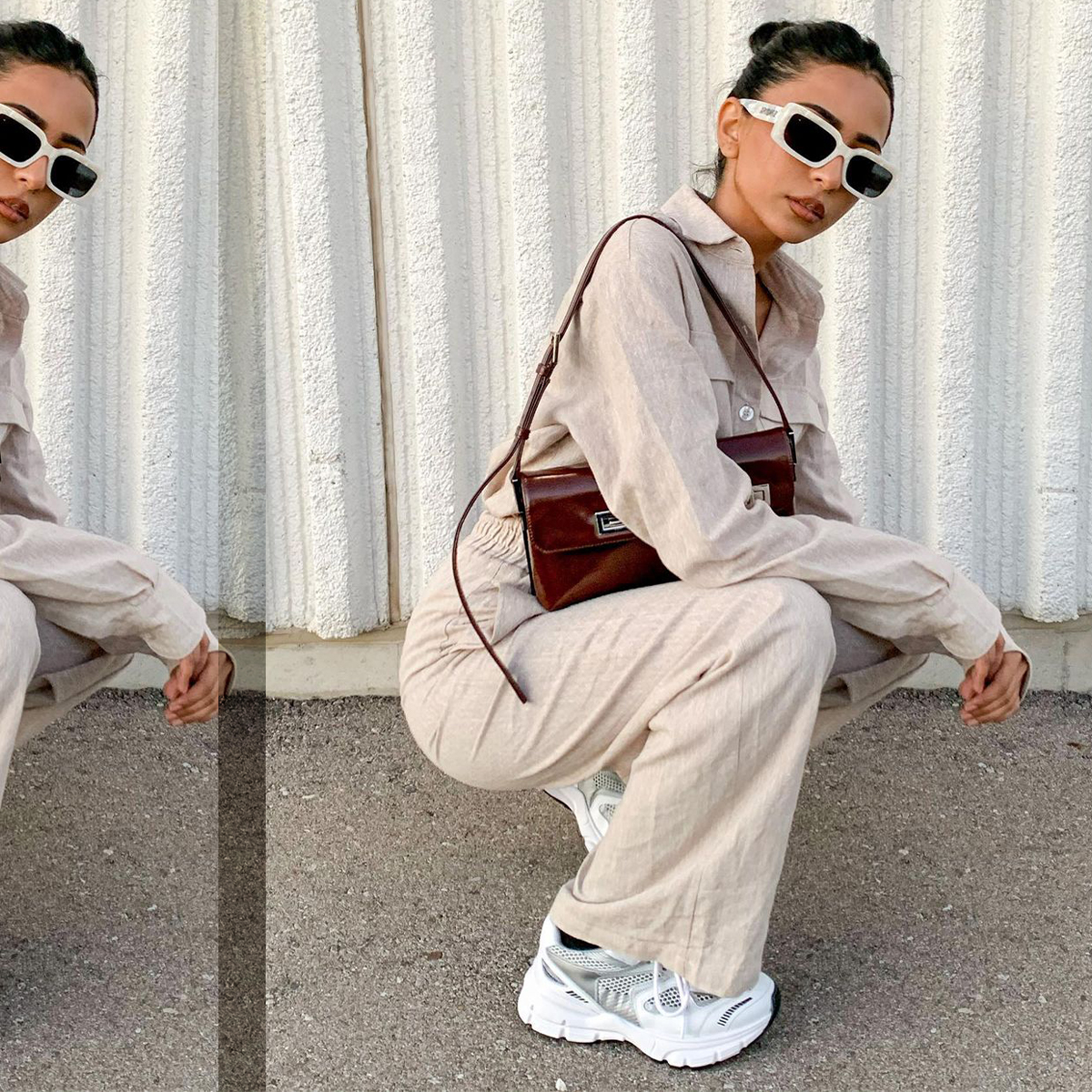
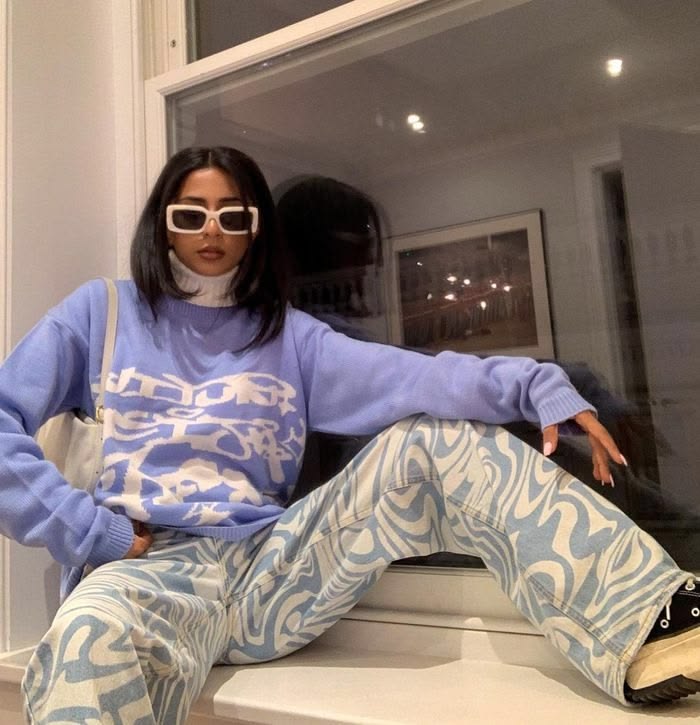
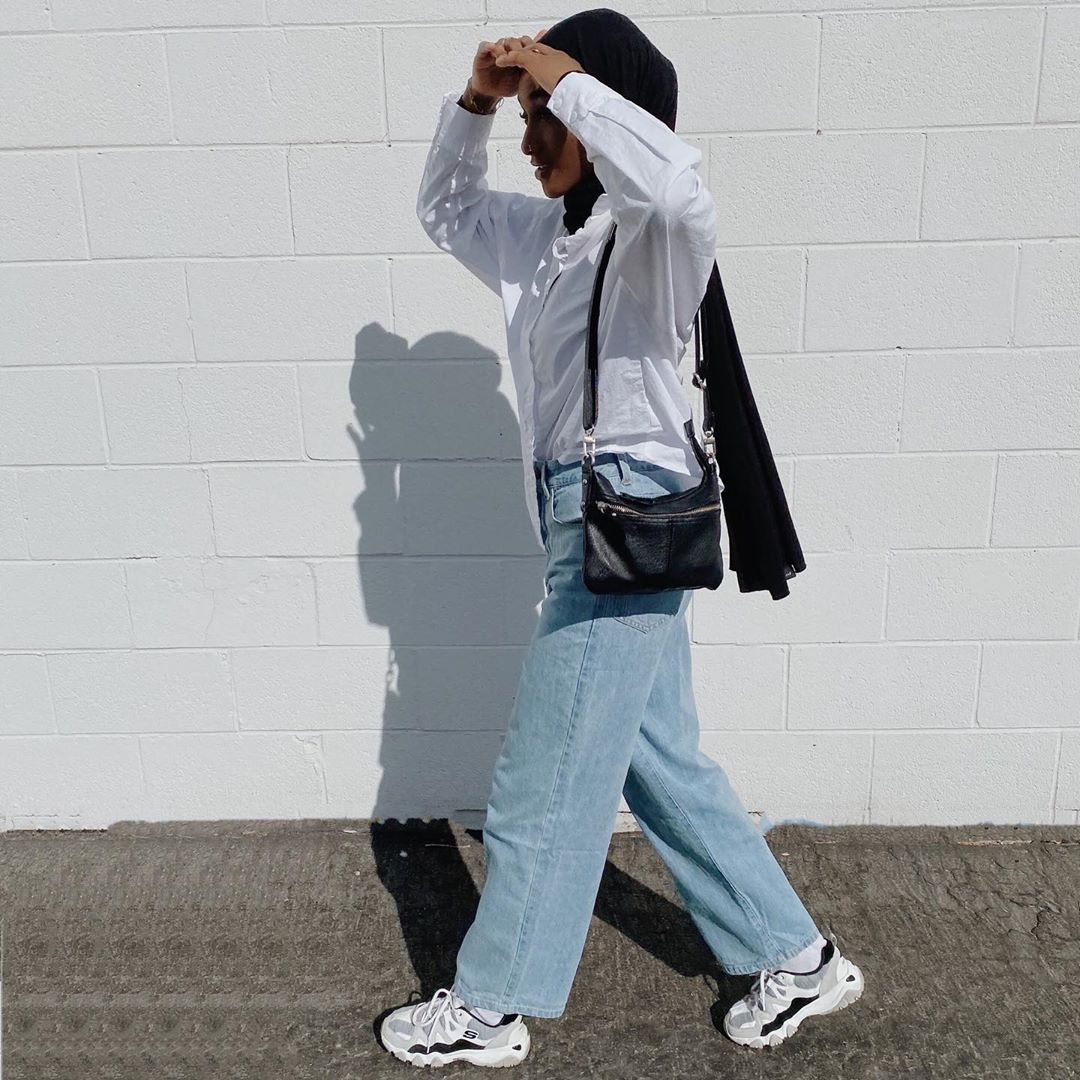
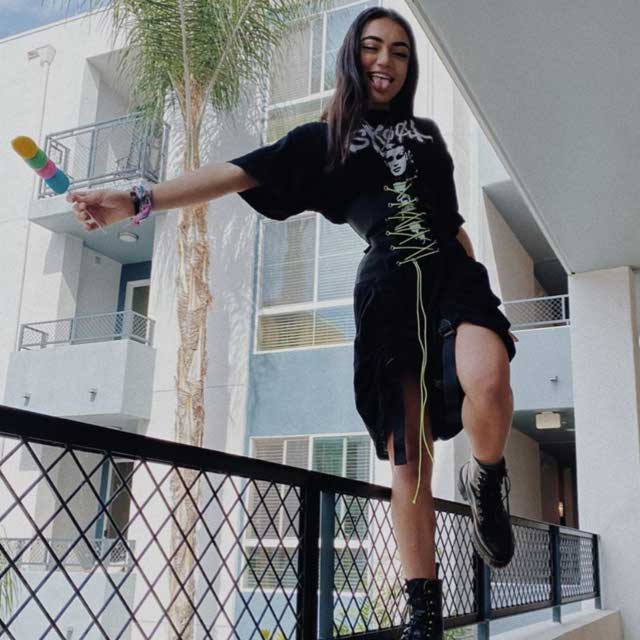
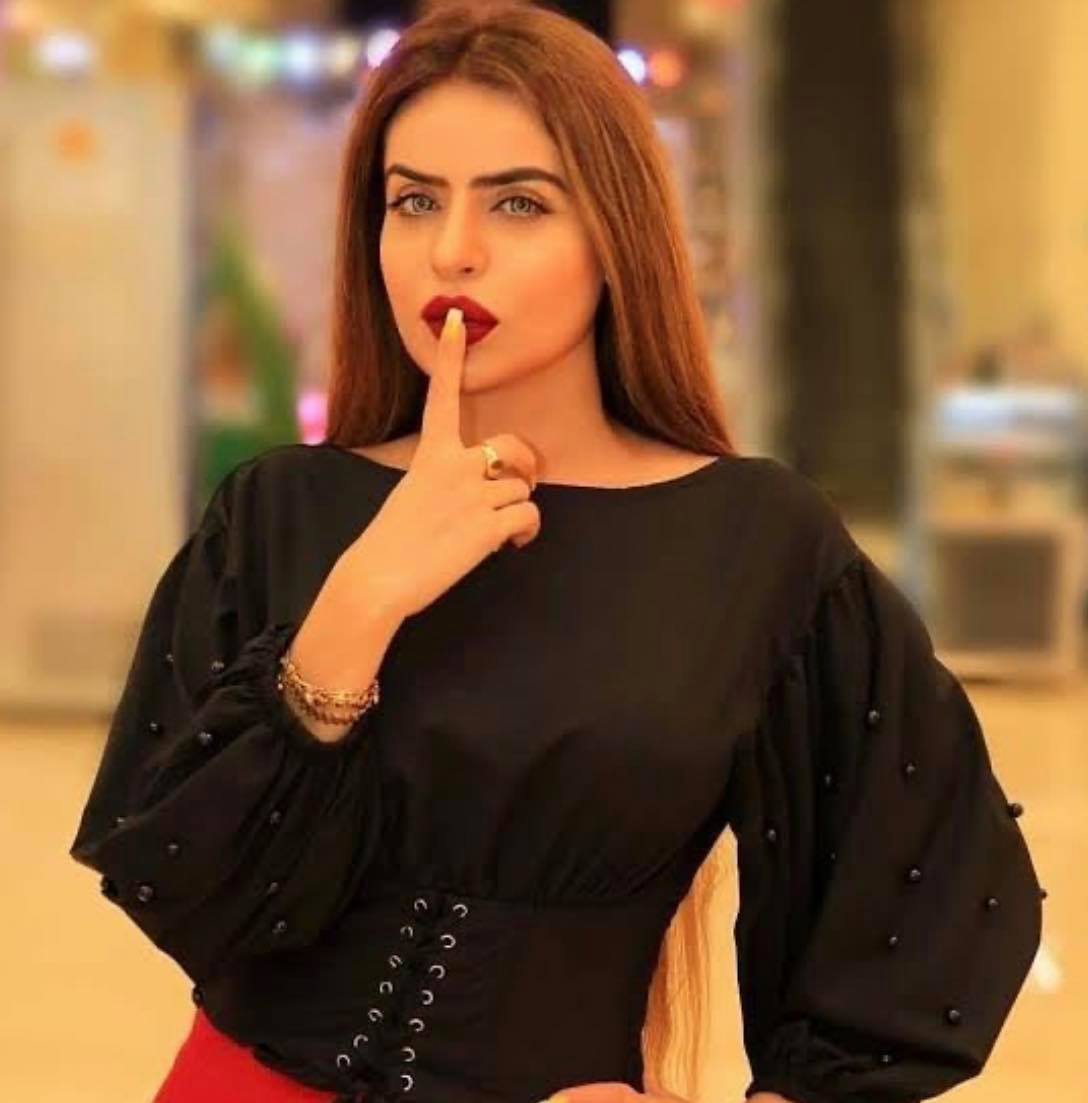
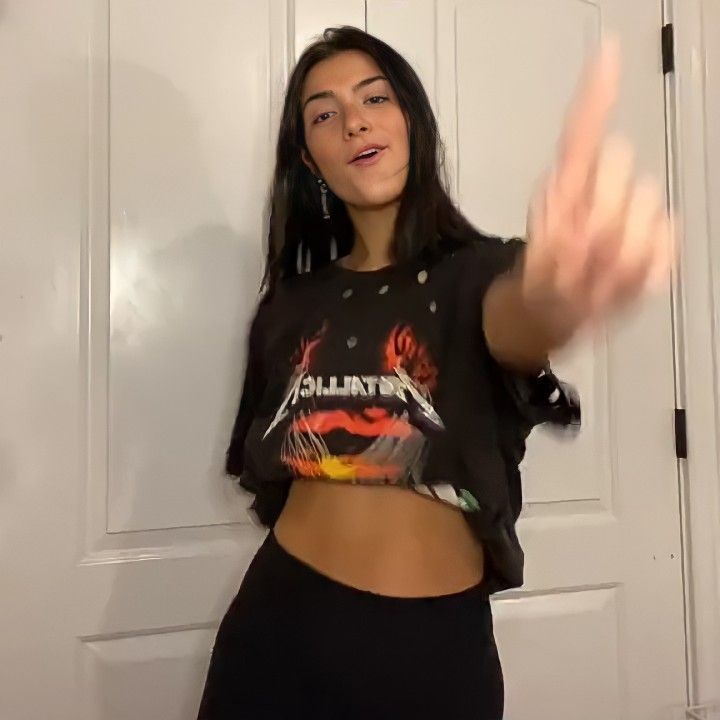
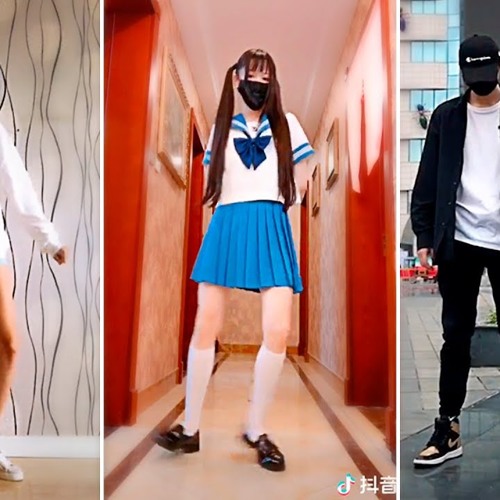
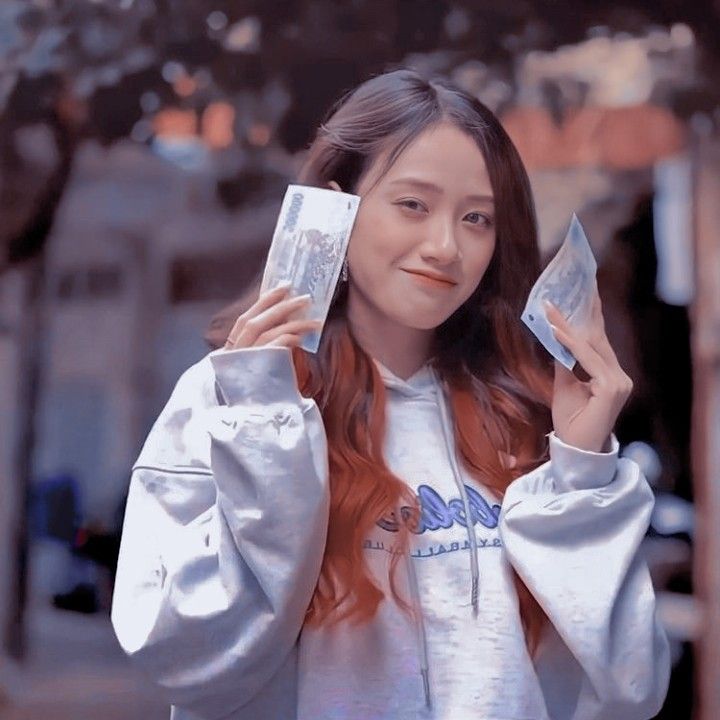
While both platforms share similar visual aesthetics, the practical way outfits are styled, layered, and presented differs significantly.
| Aesthetic / Feature | Douyin Style | TikTok Style | Key Difference |
|---|---|---|---|
| Acubi Minimalist | Tonal, strictly warm or cool neutrals, fitted base under oversized cardigans | More experimentation with color, less rigid layering rules | Douyin style is highly disciplined; TikTok is more expressive. |
| Y2K Streetwear | Polished, clean lines, high-impact camera silhouettes | More nostalgic, costume-forward, thrifty thrift-shop aesthetic | Douyin style looks editorial; TikTok looks lived-in and thrifty. |
| Soft Feminine / Fairy | Lace layers, sheer meshes, highly romantic and coordinated | More cottagecore, casual denim pairings, rustic | Douyin fairy is dreamy and studio-ready; TikTok is casual and wearable. |
| Accessories | Minimal, one or two premium silver or gold pieces maximum | Layered chains, maximal rings, prominent graphic bags | Douyin uses accessories to support; TikTok uses them to lead the outfit. |
| Color Strategy | strictly tonal, monochromatic, maximum three matching shades | Color blocking, accent prints, contrast colors | Douyin creates instant camera focus; TikTok values individual expression. |
| Footwear Integration | Chunky matching sneakers or tailored loafers matching the palette | Varied, often clashing white trainers or casual boots | Douyin looks are cohesive to the floor; TikTok is more footwear-relaxed. |
Understanding that Douyin and TikTok are structurally isolated environments changes how you read trends. A look that is described as "trending globally on TikTok" almost always started as a highly localized, studio-supported challenge on Douyin three to six months earlier.
Because China's domestic fashion manufacturing supply chain is connected directly to Douyin's platform metrics, the platform acts as a high-speed design incubator. Styles are tested, optimized, manufactured, and sold to millions of domestic consumers before western creators even discover the aesthetic on Pinterest or Instagram.
By the time an aesthetic like the acubi style or the Douyin fairy look peaks on global TikTok feeds, it is often already considered a legacy style on Douyin, which has moved on to the next high-speed design lifecycle. Following Douyin fashion directly gives you a six-month head start on the global trend cycle.
"To predict what TikTok users will be wearing next season, look at what Douyin manufacturers are producing this week."
Explore all comparative analyses, platform guides, and outfit inspiration on Acubi Blog.
Browse All Guides