
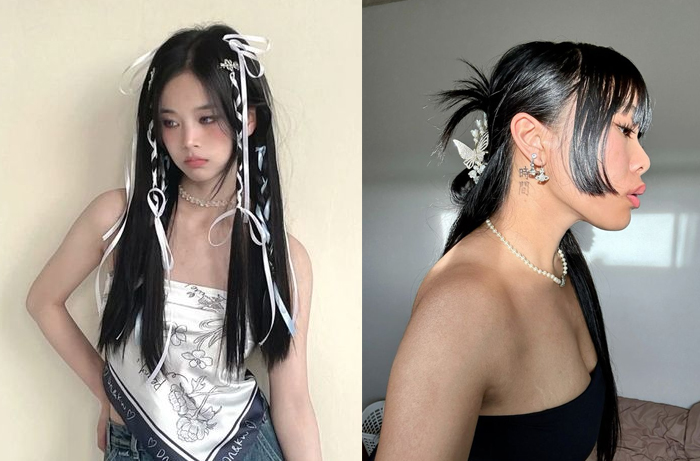
What Is Acubi Hair?
Acubi hair follows the same logic as the rest of the acubi aesthetic: it should look effortless without being careless, intentional without being obvious. The goal is never a styled-to-within-an-inch-of-its-life blowout. The goal is hair that looks like it dried naturally and happened to look good, with one or two deliberate choices that make the whole look land.
The original article on this page described Executive Cuts and boardroom hair. That has nothing to do with acubi. Acubi hair is half-up space buns, curtain bangs with loose waves, low buns with face-framing pieces left out, soft ponytails with claw clips, and hush-cut layers that move naturally. It is hair that complements a neutral-toned oversized outfit without competing with it.
"Acubi fashion is all about effortless practicality. Use claw clips and sunglasses as final finishing touches."
YesStyle — The Ultimate Guide to Acubi FashionThe key rule: acubi hair should never be the loudest thing in the look. It frames the face, supports the outfit's vibe, and stays within the same quiet-cool energy as everything else being worn. Big volume, heavy gloss, or elaborate styling all break the aesthetic immediately.
The Korean Hair Care Market Behind Acubi Hair
Acubi hairstyles do not exist in a vacuum. They come directly from South Korea's hair culture, one of the most research-driven, product-forward beauty ecosystems in the world. Understanding the market context helps explain why acubi hair looks the way it does: it is the output of a country where hair health and hair aesthetics are treated with the same rigor as skincare.
According to Mordor Intelligence, the South Korean hair care market was valued at USD 1,337.5 million and is projected to reach USD 1,764.33 million within the next five years. South Korea's cosmetics exports reached USD 10.2 billion, with hair care representing a growing share of K-beauty's global commercial footprint, according to Korea International Trade Association data.
The Korea International Trade Association projects the domestic hair care industry to reach KRW 1.5 trillion at a CAGR of 4.7%, driven by rising consumer investment in premium and specialized hair care. South Korean men demonstrate the highest per-capita hair care product usage of any male demographic in the Asia Pacific region, reflecting how seriously the entire culture treats hair across all genders.
Research and development in Korean hair care is also institutionally backed. Polyphenol Factory's hair care product Grabity, developed by a professor at the Korea Advanced Institute of Science and Technology (KAIST), was launched at Emart stores nationwide following clinical trials, per Mordor Intelligence market reporting. This is the level of scientific investment behind the hair culture that produces acubi aesthetics.
South Korea Hair Care Market Growth (USD Billion)
Relative industry size scale. Sources: KITA via Differ, Mordor Intelligence
The Core Acubi Hairstyles
These are the hairstyles that appear consistently across acubi styling references, Korean street fashion documentation, and K-pop styling content. Every one follows the same logic: effortless structure, face-framing without being formal, works with the rest of the look rather than against it.
Half-Up Space Buns
The top half of the hair is gathered into two small buns while the bottom half falls loose. Left-out front strands complete the iconic youthful look.
Curtain Bangs with Loose Waves
Curtain bangs soften the face paired with loose, undone waves (not polished curls), creating the effortless, natural signature of acubi.
Low Bun with Pieces Out
A loose bun gathered at the nape of the neck with two or three face-framing strands left loose. Sleek texture, locked with a neutral claw clip.
Sleek Low Ponytail
Combed smooth and gathered at the nape with a thin elastic. Popular with K-pop idols, shifting all visual weight to the layered outfit.
Hush Cut or Korean Wolf Cut
Subtle, feathered layers that frame the face with natural movement, air-dried with texturizing cream. The dominant cut in modern Seoul salons.
Textured Bob or Bixie
A textured bob with soft edges and a center part. Matte and natural-looking finish without heavy structure, avoiding shine serums.
Hair Color for the Acubi Aesthetic
Color is the second most important element of acubi hair after the hairstyle itself. The color palette follows the same logic as the outfit palette: muted, natural, cool-toned, and understated. According to SuperKos's analysis of 2025 Korean hair trends, salons are moving toward "cool tones, muted neutrals and subtle shifts rather than loud, hyper-bright hues," with the dominant philosophy being that "hair color should harmonise with skin tone and lifestyle, not just be an act of bold statement." This is precisely the acubi approach.
According to Korean hair care trend analysis, "Illuminating Smoked Ash" has seen a staggering increase in popularity, making up approximately 35% of hair color requests in major Korean salons, blending silver undertones with deep ash tones. This single statistic explains why so many acubi hairstyles feature those distinctive grey-brown, ash-toned shades.
Acubi Hair Color Palette — Hover to Reveal Context
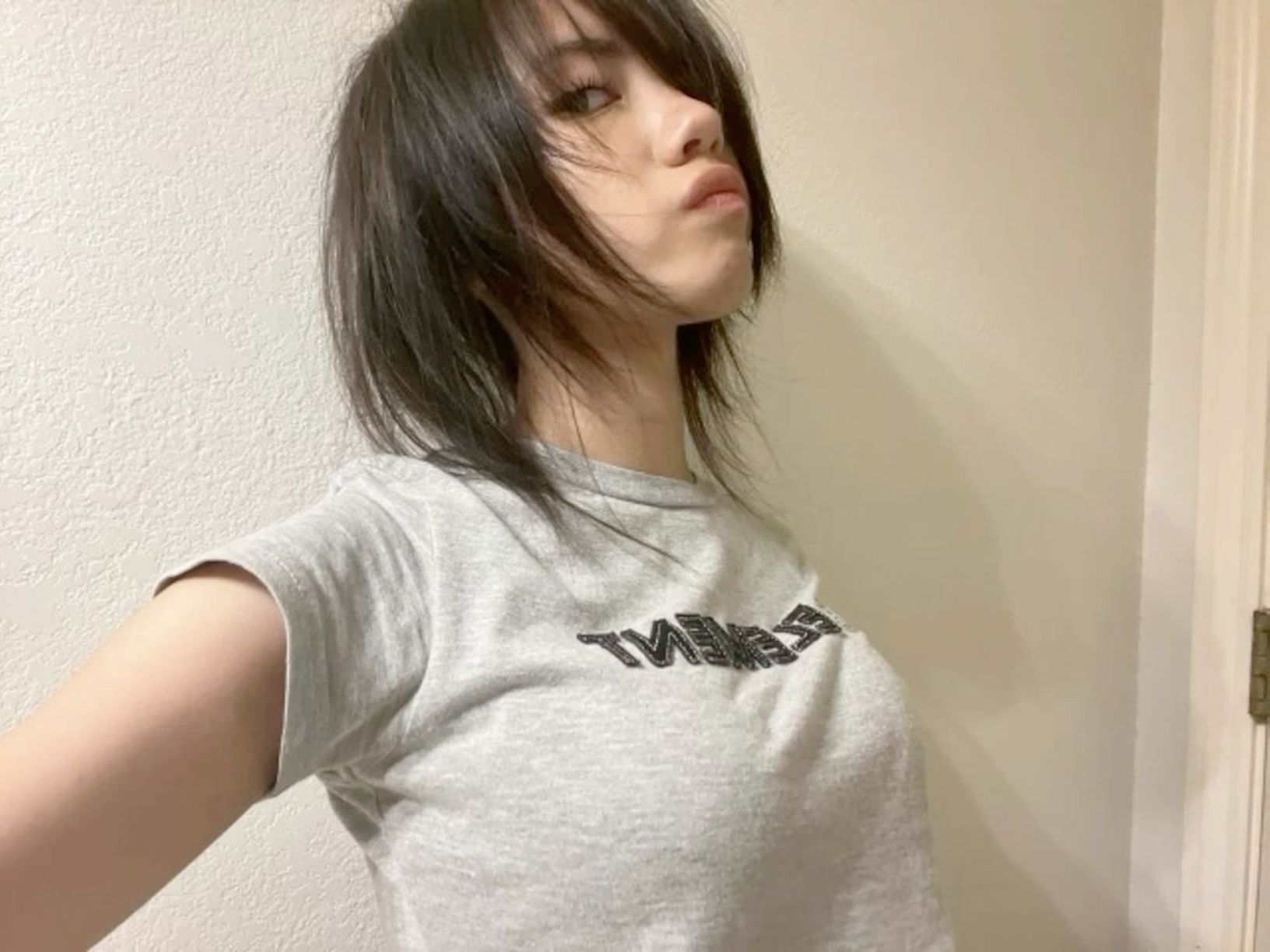
Colors to Avoid
- Bright, saturated colors: Vivid red, bright blonde, neon, or heavy fashion colors break the muted palette entirely.
- Chunky highlights with high contrast: The early 2000s chunky highlight trend has Y2K energy, not acubi energy.
- Heavy ombre with stark line contrast: Soft root smudging and shadow roots are appropriate; harsh two-tone ombre is not.
- Warm gold or orange tones: Acubi colors run cool and muted. Warm brass tones conflict with the neutral outfit palette.
Hair Accessories for Acubi Styles
Hair accessories are as important as the hairstyle in acubi. The YesStyle Ultimate Guide to Acubi Fashion explicitly names claw clips and headphones as essential finishing touches. The rule is the same as with jewelry: minimal, functional, and never the loudest thing in the look.
Claw Clips
The most acubi-appropriate hair accessory. Neutral tan, grey, cream, or black. Used to hold a low bun or half-up style. Functional but considered.
Mini Bow Ties
Thin ribbon in black or cream tied around a low ponytail or bun. A Y2K reference done quietly. One small bow, not a statement.
Mini Hair Clips
Small plain clips in silver, black, or transparent used to pin back face-framing pieces or secure loose sections. Not butterfly clips or embellished styles.
Over-Ear Headphones
Not a hair accessory technically, but consistently referenced in acubi styling content. Neutral tan, grey, or black headphones worn over the ears.
Step-by-Step: Building the Acubi Hair Routine
The entire approach to acubi hair is built around minimizing active styling time while maintaining intentional results. These steps apply whether you are going for a half-up bun, loose waves, or a hush-cut natural style.
Start with Clean, Lightly Conditioned Hair
Korean hair culture treats the scalp as skincare. Use a gentle scalp-focused shampoo and a lightweight conditioner from mid-lengths to ends. Avoid heavy conditioners that create shine build-up: acubi hair should look healthy and natural, not glossy.
Apply a Lightweight Leave-In Texturizer
While hair is damp, work a lightweight leave-in serum or texturizing cream through mid-lengths and ends. This defines natural texture and reduces frizz without creating hold or artificial shine. Run fingers through, do not comb.
Air Dry or Rough Dry — Do Not Over-Style
Ideally, air dry. If time is limited, rough dry with a diffuser on low-heat but stop before fully dry. The natural texture that remains as hair finishes drying is what creates the acubi look. Over-drying removes the natural movement.
Choose Your Style Based on the Outfit
For oversized, heavily layered outfits: wear hair up (half-up buns, low bun, sleek ponytail) so the clothing silhouette reads cleanly. For minimal outfit combinations: hair can be worn down with curtain bangs to add texture. The hair and outfit share weight.
Acubi Hair: What to Do and What to Avoid
Frequently Asked Questions
The half-up two space buns hairstyle is the most referenced acubi hairstyle across TikTok, Douyin, and styling guides. The top half of the hair is gathered into two small buns while the lower half falls loose, creating the youthful-but-considered quality that defines the aesthetic. Curtain bangs are the most referenced bang style, and the low loose bun with face-framing pieces is the most common everyday acubi hairstyle for medium and longer hair.
Milk tea brown is the most documented acubi-specific hair color, described as a creamy beige between light brown and dark blonde. It is warm but muted and works across skin tones. Ash brown, smoked ash grey, and natural black are equally appropriate. The consistent principle across all acubi hair colors is cool or neutral tones, never warm or vibrant. According to Korean salon data, smoked ash tones now account for approximately 35% of hair color requests in major Korean salons, reflecting exactly the muted, cool direction that acubi requires.
Curtain bangs are the most common acubi bang style and they do support the aesthetic strongly, but they are not required. According to Her World Singapore's documentation of Korean hair trends, curtain bangs dominated as the leading face-framing style, and they pair well with every acubi hairstyle from half-up buns to loose waves. That said, the hush cut with no bangs, a center-parted look, or a deep side part all work within acubi hair. The framing of the face matters; the specific method of achieving it is flexible.
The YesStyle Ultimate Guide to Acubi Fashion specifically names claw clips as an essential acubi finishing touch. Claw clips in neutral tan, grey, cream, or black are the most appropriate. Small ribbon or bow ties in black or cream are also consistent with the aesthetic when used minimally. Mini plain clips in silver or black work for pinning face-framing pieces. Over-ear headphones in neutral colors are also referenced as an accessory element. Avoid butterfly clips, rhinestone accessories, oversized bows, or anything with heavy embellishment.
The hush cut is currently the dominant cut in Korean salons, as documented by SuperKos Korean hair trend analysis. It features airy, subtle layers that frame the face without heavy bangs or rigid lines, emphasizing natural movement and a lived-in finish. It is directly aligned with acubi hair principles: effortless texture, healthy-looking natural movement, and styling that enhances rather than dominates. Ask your stylist for a hush cut if you want the most acubi-appropriate cut for medium to long hair. Air-dry for best results.
According to Mordor Intelligence, the South Korean hair care market was valued at USD 1,337.5 million and is projected to reach USD 1,764.33 million within the next five years. The Korea International Trade Association projects the domestic hair care industry will reach KRW 1.5 trillion at a CAGR of 4.7%. South Korea's cosmetics exports have reached USD 10.2 billion with hair care representing a growing share. Research into hair care is institutionally supported, with products developed at KAIST (Korea Advanced Institute of Science and Technology) entering commercial markets through major retailers like Emart.