
What Is the Y3K Aesthetic?
The name builds directly on Y2K, but the direction is opposite. Where Y2K looked backward with nostalgia toward the early 2000s, Y3K projects forward into an imagined digital future. Speculation, not nostalgia, is the entire point.
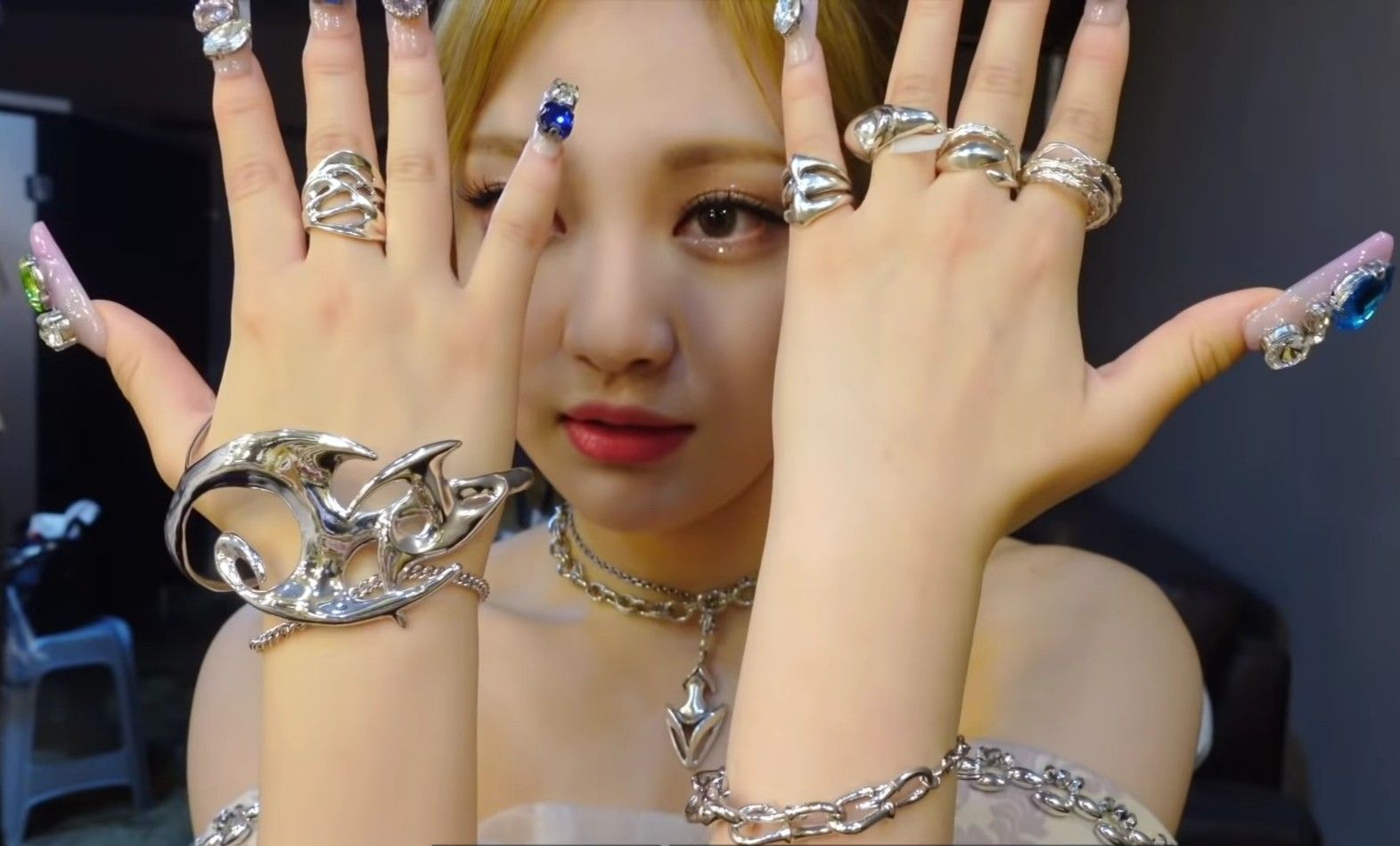
Chrome puffers, liquid metallic tops, holographic jackets, asymmetric hemlines, and visor sunglasses are the core signals of the look. What separates Y3K from earlier waves of futuristic fashion is a deliberate focus on wearability. It is experimental, but it is not costume. The benchmark for a well-executed Y3K outfit is whether it could be worn on a Seoul street, not just on a runway or in a music video.
Trend forecasting firm WGSN has flagged Y3K as one of the defining commercial movements in Korean-influenced fashion, and fast-fashion retailers from Zara to Shein now stock dedicated sections for the look. That kind of commercial uptake is a reliable signal that an aesthetic has crossed from niche to mainstream. For a deeper look at what drives Korean-influenced aesthetics into global retail, the Acubi fashion guide covers that trajectory in detail.
Statement Piece Rule
Gen K-Pop Driver
Cultural Origins
Where Did Y3K Come From?
Three distinct cultural streams fed into the Y3K aesthetic at roughly the same time, and the combination of all three is what gave it the critical mass to go global.
1. Seoul Street Fashion
Technical layering and sculptural accessories have been standard practice in Seoul neighborhoods like Seongsu-dong and Hannam-dong for years. When chrome finishes and holographic materials entered those streets, they slotted naturally into an existing visual language that was already comfortable with experimentation. The Korean minimalist fashion tradition provided the structural foundation, and Y3K added the reflective surface on top of it.
2. Runway Futurism
Design houses provided the high-fashion reference images that gave Y3K its aspirational anchor. Mugler's sculptural, exoskeleton-like silhouettes in chrome and latex were particularly influential, defining the post-human visual register that Y3K streetwear later borrowed from. Coperni's spray-on dress moment and Balenciaga's cold, architectural maximalism both contributed to Y3K's visual grammar. These runway references gave the aesthetic a pedigree beyond streetwear and connected it to a longer history of serious fashion futurism.
3. Gaming Culture
An unexpected third source: Dress to Impress, the Roblox styling game. Y3K became one of the most-searched outfit themes on the platform, meaning a large number of people first encountered this aesthetic inside a game before they ever saw it on a real street. This is arguably the first major fashion trend to arrive that way for a significant portion of its audience, and it shaped the aesthetic's visual vocabulary in ways that are still visible today.
These three streams converged and were then amplified by 5th-generation K-pop groups. BABYMONSTER and TWS began wearing asymmetric, liquid-metallic stage outfits that matched the Y3K visual language precisely. That K-pop visibility turned a street-level and gaming-adjacent trend into a globally recognized aesthetic almost immediately. If you follow the Douyin fashion ecosystem, you will have already seen how quickly Korean-origin aesthetics distribute globally through short-form video.
Y3K vs. Y2K: What Makes Them Different?
Y3K and Y2K share Korean streetwear DNA and a Gen Z core audience, but they point in completely opposite directions. Y2K is nostalgic. Y3K is speculative. They overlap in their appreciation for metallics and bold silhouettes, but the feeling of each is fundamentally different. Y2K outfits get warmer and more personal the more worn-in they look. Y3K runs the opposite way: cleaner and colder is always better.
For the full Acubi-specific breakdown of how Y2K relates to Korean minimalist fashion, the Acubi vs Y2K comparison covers that territory in depth.
The Y3K Color Palette
Y3K runs on a tight range of cool, reflective, and high-contrast tones. Bold warm colors are almost never part of the palette. The goal is a visual register that reads as digital, precise, and deliberately non-natural. Bold or earthy tones belong to other aesthetics: in Y3K, if it could appear in a nature documentary, it is the wrong choice.
Chrome Silver is the non-negotiable anchor. Every Y3K outfit should include at least one piece in a chrome or near-chrome metallic tone. Deep Space Black provides the contrast that makes chrome read as intentional rather than accidental. Together, these two form the base palette.
Holographic Iridescence is the signature Y3K texture: surfaces that shift between blue, purple, and silver depending on the angle of light. This is the material characteristic most strongly associated with Y3K and the hardest to replicate with non-Y3K pieces.
Digital Lavender was named a key color shade by WGSN and has become the softest, most wearable entry point into the Y3K palette. It sits at the crossroads of minimalism and futurism, making it accessible for building a Y3K outfit without committing fully to chrome or holographic materials. This is where Y3K and the Acubi aesthetic overlap most naturally: Digital Lavender works in both worlds.
Key Y3K Fashion Pieces
Y3K is built on a small number of high-impact pieces. The approach differs from Acubi's layering of neutral basics: instead of accumulating quiet foundations, Y3K is about one statement piece per outfit that anchors the entire look. Everything else either supports that piece or disappears into the neutral base.
Chrome Outerwear
A liquid metallic puffer jacket or chrome-finish structured coat is the definitive Y3K piece. One of these over a neutral base communicates the entire aesthetic without any additional effort.
Holographic Bag
Small, structured bags in holographic vinyl or chrome-finish materials. The bag should be compact and precisely shaped. Nothing oversized or slouchy: Y3K bags feel engineered, not casual.
Visor Sunglasses
Bug-eyed shapes, mirrored lenses, ultra-slim futuristic frames, or shield-style visors. Eyewear is the most affordable entry point into Y3K. One pair changes the register of any outfit immediately.
Asymmetric Top
Sharp, architectural cuts with asymmetric hemlines, precision cutouts, or structured shoulders in metallic or matte technical fabrics. The silhouette should feel engineered, not improvised.
Platform Footwear
Chrome-detail boots, platform sneakers with technical soles, or structured shoes with visible hardware. Y3K footwear adds architectural weight at the base of the look. For styling references, see the Acubi shoes guide.
Modular Trousers
Wide-leg or straight-cut trousers with chrome hardware, convertible panels, or technical fabrics. This is the Y3K evolution of cargo pants: structure and precision over utility and function.
Materials are as important as silhouette in Y3K. Transparent plastics, holographic vinyl, sleek chrome-finish leather, liquid metallic fabrics, and glossy PVC are the standard choices. These are chosen for their artificial, reflective qualities, representing both space-age technology and the visual language of digital environments.
How to Build a Y3K Outfit
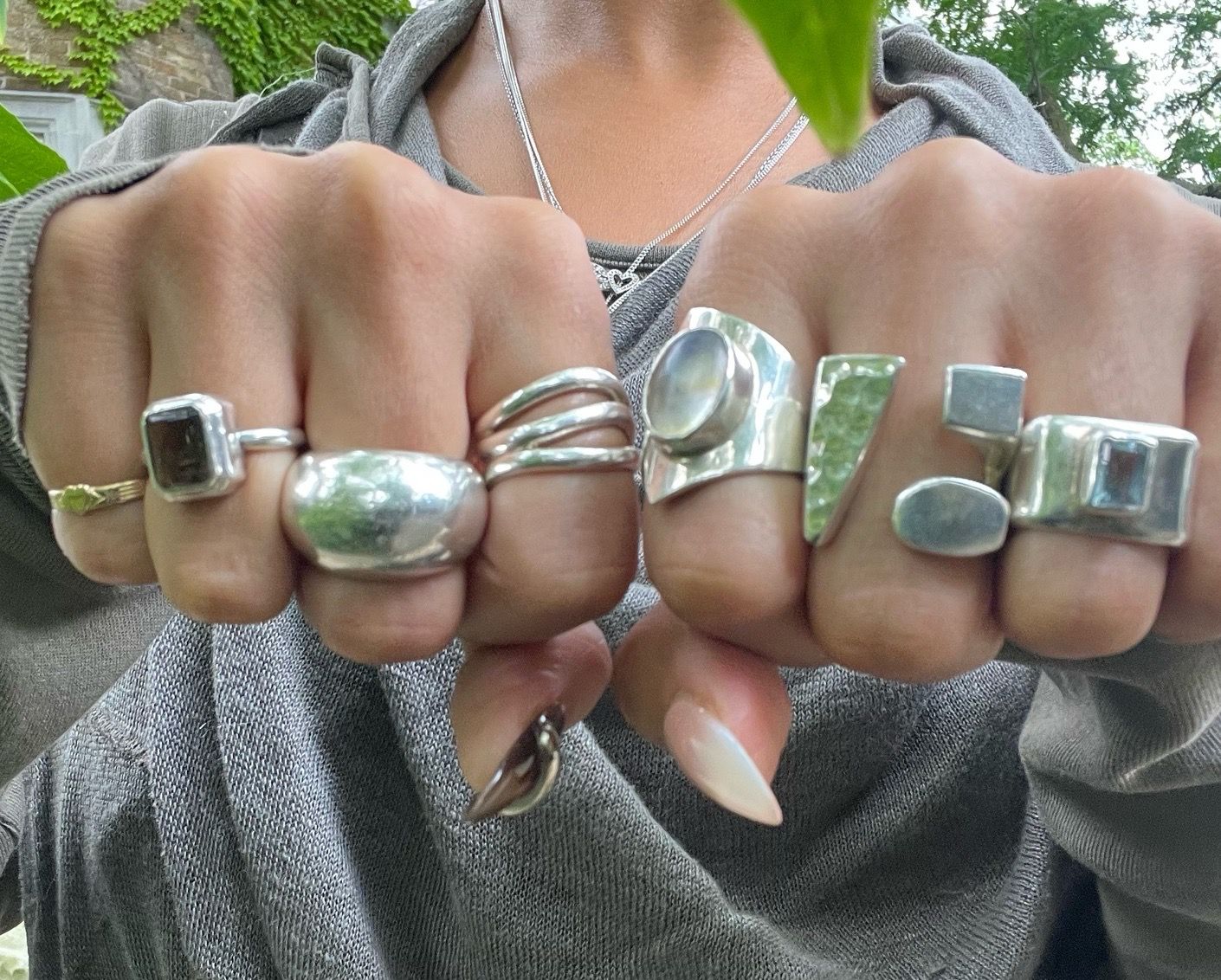
Y3K is more wearable than it looks. The rule is deceptively simple: start with a neutral base and add exactly one chrome statement piece. Everything else should serve that statement, not compete with it. Here is the step-by-step method.
The most common Y3K styling mistake is wearing too many futuristic pieces at once. A chrome jacket, a holographic bag, visor sunglasses, metallic boots, and chrome jewelry together does not read as Y3K: it reads as costume. One statement piece over a neutral Acubi base is the look. That restraint is what separates people who wear Y3K well from people who wear a sci-fi costume.
Y3K in Korean Fashion
Y3K did not arrive as a fully formed global trend. It grew from the same Seoul streetwear culture that produced Acubi, and understanding that origin changes how you approach the aesthetic. According to CNN's reporting on the rise of Korean quiet cool, searches for Korean fashion reached a peak in both the US and UK around K-pop appearances at London Fashion Week. Y3K was a significant part of that conversation.
"K-pop functioned less as the origin and more as an accelerator, transforming a local styling approach into a globally recognized look."
Heewon Yuh, Youth Fashion Strategist at WGSN, quoted in CNNIn Seoul, Y3K is concentrated in two neighborhoods. Seongsu-dong, the city's creative and streetwear hub, is where independent designers and early adopters are wearing the look on the street. Hannam-dong, the more refined district, is where boutiques have been stocking Y3K-adjacent pieces for the past year. Both neighborhoods have replaced Myeongdong as the center of gravity for street-level Korean fashion.
5th-generation K-pop groups brought Y3K to a global audience at a scale no Seoul neighborhood could achieve alone. BABYMONSTER became closely associated with the aesthetic through stage outfits built around asymmetric cuts, liquid metallic finishes, and 3D-printed accessories. Their stylists' method of mixing classic pieces like structured blazers with futuristic accessories and chunky footwear is now a widely-used Y3K styling template. TWS similarly adopted elements of the look and distributed them to their international audience.
This Korean origin also explains why Y3K pairs so naturally with other Korean-rooted aesthetics. The Douyin vs TikTok fashion dynamic matters here: Y3K spread differently through each platform, with Douyin's algorithm amplifying the more extreme, editorial interpretations while TikTok distributed the wearable, everyday versions.
Y3K Makeup and Beauty
Y3K beauty starts from the same foundation as Acubi makeup: luminous, well-hydrated, glass skin. The K-beauty skincare approach that underpins Acubi remains the foundation for Y3K as well. Where Y3K diverges is in the single accent element added on top of that base.
- Glass skin base: Clear, dewy, hydrated skin that looks lit from within rather than covered. This is not optional in Y3K: the skin is doing significant visual work.
- Chrome eyeshadow: Chrome or silver metallic eyeshadow on the lid, blended to a clean edge rather than a soft gradient. The precision of the edge matters in Y3K beauty.
- Geometric liner: Geometric or graphic liner in silver, chrome, or electric blue. One shape, placed deliberately: a sharp flick, a precise wing, or a graphic underlid line.
- Holographic lips: Holographic gloss or chrome on the lips when the eyes are minimal, or a bare lip when the eyes carry the metallic accent. Never compete both elements for attention.
- Strategic face gems: Strategic face gems or metallic graphic details placed with geometric precision, referencing Y3K's connection to digital overlay imagery and cybersigilism aesthetics.
- Brows clean & defined: Brows clean, defined, and natural. In Y3K, the skin and one accent element carry the entire look. Brows should support, not compete.
The K-beauty skincare market that powers the glass-skin base is substantial. According to IMARC Group's market research, the global K-beauty market reached $16 billion in 2025 and is projected to hit $34 billion by 2034, growing at 8.6% annually. The hydrogel masks, PDRN moisturizers, and AHA toner pads that appear in Acubi beauty routines are the same products that build the Y3K skin foundation.
Y3K and Acubi: Are They Compatible?
Yes, and the combination is one of the most interesting styling territories in Korean-influenced fashion right now. The name for the blend is quiet futurism: styled and cool without feeling like a runway concept or a costume.
The overlap works because Acubi provides exactly what Y3K needs for everyday wearability. Oversized silhouettes in neutral tones, clean intentional layering, minimal accessories, and a relaxed confidence give Y3K accent pieces something real to anchor into. A chrome holographic bag over cream wide-leg trousers and an oversized knit is simultaneously Acubi and Y3K. The chrome is the only element that tips the look into the future.
The key distinction to preserve is the different energies of each aesthetic. Acubi is quiet and effortless. Y3K is precise and deliberate. When you blend them, the Y3K element should be clearly chosen, not accidentally metallic. One piece with real visual presence, surrounded by Acubi calm. That contrast between the quiet base and the singular futuristic statement is exactly what makes quiet futurism work as a wearable, daily look.
For Acubi outfit combinations that form the best bases for adding a Y3K piece, the outfits guide covers the layering formulas that work across both aesthetics. The wide-leg trouser and oversized outerwear combinations in particular translate directly into quiet futurism territory with one chrome accessory added.
Y3K Aesthetic: Common Questions
The most searched questions about the Y3K aesthetic, answered directly.
Y3K is a futuristic fashion aesthetic that imagines what clothing from the year 3000 might look like, translated into wearable pieces today. It is defined by chrome finishes, holographic fabrics, asymmetrical silhouettes, and a cool, precise visual language. The name builds on Y2K but points in the opposite direction: where Y2K looks backward with nostalgia, Y3K speculates forward into a digital future.
Y2K looks backward with nostalgia: warm colors, low-rise cuts, butterfly clips, and playful energy from the early 2000s. Y3K looks forward: chrome silvers, architectural asymmetric cuts, holographic vinyl, and a cool, deliberate tone. Y2K outfits feel warmer and more personal the more worn-in they look. Y3K is the opposite: cleaner and colder is always better. They share DNA through Korean streetwear, but the emotional register of each is fundamentally different.
The Y3K palette centers on Chrome Silver as the non-negotiable foundation, Deep Space Black as the base contrast, and Holographic Iridescent surfaces that shift between blue, purple, and silver depending on the light. Secondary colors include Digital Lavender (named a key shade by WGSN), Cyber Blue for tech accents, and Cyber Lime used very sparingly as a neon punch. Warm colors, earth tones, and bright primaries are almost never part of the Y3K palette.
Not necessarily. Chrome accessories, holographic bags, and metallic outerwear are available from high-street retailers like Zara and ASOS at accessible price points. Because Y3K is built around one statement piece over a neutral base, the investment is concentrated in a single item rather than spread across an entire new wardrobe. Visor sunglasses are one of the most affordable entry points: a single pair changes the register of any outfit and can be found for under $30 from many retailers.
BABYMONSTER and TWS are the 5th-generation K-pop groups most closely associated with Y3K stage aesthetics. BABYMONSTER in particular became a primary reference point through stage outfits featuring asymmetric cuts, liquid metallic finishes, and 3D-printed accessories. Their stylists' approach, mixing classic structured pieces with futuristic accessories and chrome hardware footwear, became a widely-followed Y3K styling method.
Yes, and this combination is called quiet futurism. Acubi provides the neutral, layered foundation and Y3K adds one deliberate futuristic accent piece on top. A chrome bag over wide-leg cream trousers and an oversized knit is both aesthetics simultaneously. The key is that the Y3K element should be clearly intentional: one piece with real visual weight surrounded by Acubi calm. That contrast between the quiet base and the singular statement is what makes the combination work as a wearable everyday look.
The three most accessible entry points are visor or mirrored sunglasses, a small holographic or chrome-finish bag, and one liquid metallic jacket. Buy one at a time and build the rest of the outfit from a neutral base. Do not wear all three in a single outfit when starting: let the single statement piece carry the look while everything else recedes. Once you are comfortable with one piece, you can experiment with how a second Y3K element changes the balance of the outfit.