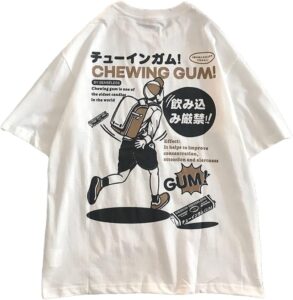
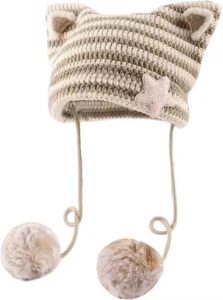
Acubi (아쿠비, pronounced ah-ku-bi) is a minimalist Korean streetwear aesthetic that has quietly become one of the most influential fashion movements of the 2020s. Born in Seoul's underground fashion scene, it has spread from K-pop idol wardrobes to TikTok feeds, high street retailers, and luxury runways worldwide.
This is the complete guide: what Acubi actually is, where it came from, how it evolved, what defines its visual identity, how to wear it, and why it resonates so deeply with a generation looking for style that feels intentional rather than loud.
- What Is Acubi?
- Pronunciation and Meaning
- The Full History of Acubi
- The Acubi Theme: Visual Identity Explained
- Acubi Color Palette
- Key Wardrobe Pieces
- Acubi vs. Other Aesthetics
- Acubi and K-Pop: How Idols Spread the Look
- From Seoul to Global: How Acubi Went Worldwide
- How to Wear Acubi Style
- Acubi for Men
- Find Your Acubi Outfit Style (Interactive)
- Frequently Asked Questions
🤍 What Is Acubi?
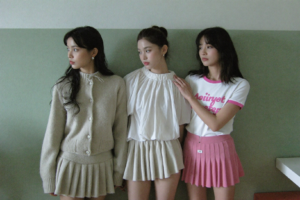
Acubi is a minimalist fashion aesthetic that originated in South Korea in the early 2020s. It sits at the intersection of three existing style philosophies: Y2K nostalgia, subversive basics, and Korean minimalism. The result is a look that feels simultaneously retro and modern, effortless and intentional, simple and quietly edgy.
At its core, Acubi is built on neutral tones, oversized silhouettes, deliberate layering, and understated accessories. Where maximalist aesthetics compete for attention, Acubi steps back. It whispers confidence rather than shouting it. That restraint is precisely what makes it distinctive — and why it has resonated so strongly with a generation tired of fast fashion excess.
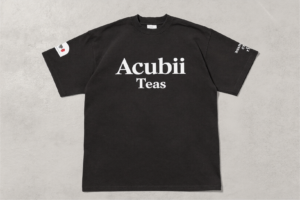
The term itself functions as what linguists call a proprietary eponym — a brand name that became a generic descriptor for an entire style category. Just as "Xerox" came to mean any photocopier, "Acubi" evolved from a specific brand into a shorthand for a whole genre of Korean streetwear, regardless of which brands you actually wear.
🔤 Pronunciation and Meaning
Acubi is pronounced ah-ku-bi. In Korean it is written 아쿠비, and the English spelling is a romanisation of that phonetic sound. The word does not have a direct translation or meaning in Korean — it is a brand name, not a descriptive word.
The name comes from the Seoul-based fashion brand 아쿠비클럽 (Acubi Club), which launched around 2020. In South Korea, most users still recognise "Acubi" primarily as a brand name. The broader use of "Acubi" as a style category label is largely a phenomenon of Western and international social media, particularly English-speaking TikTok communities, where the term became the default descriptor for this genre of K-fashion.
📜 The Full History of Acubi
Understanding where Acubi came from requires understanding the broader context of Korean fashion and culture in the early 2020s. This was not a trend that emerged in isolation. It grew out of specific social, cultural, and platform-driven conditions that made it almost inevitable.
🎨 The Acubi Theme: Visual Identity Explained
The Acubi theme is not a single outfit or a single colour. It is a visual philosophy built around several consistent principles that, when applied together, produce the characteristic Acubi look. Understanding these principles is more useful than memorising specific pieces, because they let you apply the aesthetic to your own wardrobe with whatever you already own or can find.
The Slim Top, Baggy Bottom Structure
The most recognisable Acubi silhouette follows a deliberate contrast: a fitted or cropped top paired with a voluminous bottom. Tight cropped tops with mesh overlays, asymmetrical necklines, or tie details sit above parachute pants, wide-leg trousers, cargo pants, or slouchy jeans. This proportion creates visual interest while keeping the overall look clean rather than chaotic.
Deliberate Layering
Layering is not just a styling technique in Acubi — it is the primary way the aesthetic builds texture and depth. Common layering combinations include sheer tops over tanks, bolero cardigans over cropped tees, mesh sleeves under structured jackets, and lightweight overshirts over minimal base pieces. The rule is that each layer should add something — texture, structure, or a subtle contrast — without overwhelming the simplicity of the foundation.
Subversive Details
The "subversive basics" influence gives Acubi its edge. Small details that subvert expectations: exposed seams, thumb-hole sleeves, asymmetrical hemlines, cut-out details, sheer panels on otherwise opaque pieces. These elements keep the aesthetic from feeling purely plain. They reward closer attention without screaming for it from across the room.
Techwear Crossover
Acubi borrows from techwear — nylon fabrics, zip-up hoodies, track-style pants, and occasional reflective or utility-influenced accessories. This gives the aesthetic a slightly futuristic, urban quality that sits naturally alongside the K-fashion and Korean streetwear traditions it emerged from.
Intentional Minimalism
Every element in an Acubi outfit is deliberate. Nothing is added without a reason. This is what distinguishes Acubi from simply "wearing basic clothes" — the basics are selected and combined with care, and that intentionality is visible in the final result.
🎨 The Acubi Color Palette
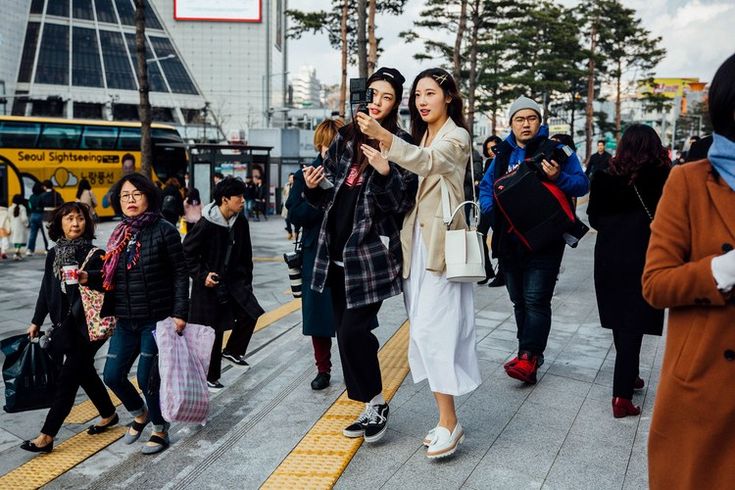
Colour is one of the most immediately recognisable aspects of the Acubi aesthetic. The palette is deliberately restrained, favouring neutral and muted tones that work together effortlessly and photograph cleanly in any lighting.
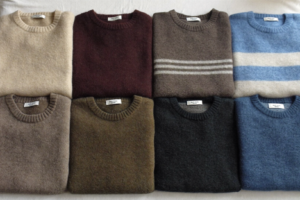
The core Acubi palette is built on black, white, cream, beige, and various shades of gray. These form the foundation of almost every outfit. Soft muted pastels — dusty mauve, washed blue, pale sage — appear occasionally as accent tones but always in their most desaturated form. Fully saturated colours are almost never part of the aesthetic.
This colour strategy is not accidental. The neutrals mean that almost any two pieces in an Acubi wardrobe can be worn together, which is central to the aesthetic's philosophy of building a small, versatile wardrobe rather than a large collection of single-use pieces.
👘 Key Wardrobe Pieces
While Acubi is a philosophy rather than a strict uniform, certain pieces appear consistently across the aesthetic. These are the building blocks of a functional Acubi wardrobe.
🔄 Acubi vs. Other Aesthetics
Understanding Acubi is easier when you can see how it differs from the styles it is most often compared to or confused with.
| Style | Colour Approach | Silhouette | Vibe | Key difference from Acubi |
|---|---|---|---|---|
| Acubi | Neutral, muted, monochrome | Slim top, baggy bottom | Cool, quiet, intentional | The reference point |
| Y2K | Bold, metallic, saturated | Low-rise, crop heavy | Nostalgic, maximalist | Y2K is louder and more colour-forward |
| Minimalism | Neutral, clean | Tailored, structured | Formal, serious | Minimalism is more structured, less streetwear-influenced |
| Subversive Basics | Black-heavy, dark neutrals | Deconstructed, cut-up | Edgy, experimental | Subversive basics is more maximalist in its subversion |
| Soft Girl | Pink, pastel, warm | Flowy, feminine | Sweet, romantic | Soft Girl is warmer and more feminine; Acubi is cooler and more neutral |
| Dark Academia | Brown, burgundy, navy | Layered, literary | Scholarly, moody | Dark Academia is warmer and more structured; Acubi is cooler and more relaxed |
🎤 Acubi and K-Pop: How Idols Spread the Look
No discussion of Acubi's history is complete without examining the role of K-pop idols. Their influence on the aesthetic's global spread was decisive — not because they invented the style, but because they made it visible at a scale no Korean streetwear brand could have achieved alone.
Research published in Springer's Journal of Open Innovation demonstrates that Korean Wave content directly drives fashion purchasing internationally, with fashion products linked to K-pop stars selling strongly across Asian markets and increasingly in Western ones too. This is the structural reason why K-pop idol style becomes global fashion.
For Acubi specifically, three groups were particularly significant:
NewJeans
Perhaps the group most closely associated with the Acubi aesthetic. Their off-duty looks and stage styling consistently deploy the slim-top, baggy-bottom silhouette in neutral tones with careful layering. They appeared at the 2024 Spring/Summer Seoul Fashion Week at Dongdaemun Design Plaza wearing looks that fashion media immediately identified as exemplifying the Acubi direction.
Blackpink
Blackpink members, particularly in their individual off-duty airport looks, have worn combinations that align with the Acubi aesthetic. Their influence is amplified by their brand ambassador roles — Jisoo's appointment as a Dior ambassador alone drove a 50% increase in Dior's Korea sales, illustrating the commercial power of these endorsements.
Aespa
Aespa's styling blends the Acubi minimalist foundation with more futuristic, techwear-influenced elements — reflecting the broader Acubi aesthetic's borrowing from techwear culture.
🌍 From Seoul to Global: How Acubi Went Worldwide
The mechanism behind Acubi's global spread was a combination of K-pop idol visibility, TikTok's algorithm, and the broader cultural force of the Korean Wave (Hallyu). The academic literature on Hallyu, including research in Springer's Hallyu as a Government Construct, documents how Korean cultural exports function as both commercial products and soft power instruments — they carry cultural cachet that makes Western audiences actively seek out more Korean cultural content, including fashion.
On TikTok, the Acubi aesthetic had a structural advantage: it photographs and videos exceptionally well. The neutral palette means the clothes read clearly in any lighting. The layering gives the eye something to move through. The proportional contrast between slim top and baggy bottom creates an interesting silhouette in motion. These properties made Acubi content naturally engaging on video platforms, which accelerated its algorithmic spread without any deliberate marketing.
By 2025, the global reach of the aesthetic was measurable in retail data. Google Trends showed a spike in searches for Musinsa Standard — South Korea's largest online casual basics platform — in February 2026. Zara, one of the world's largest fashion retailers, has begun incorporating similar relaxed silhouettes into collections. London-based Minga London published a dedicated Acubi styling guide.
👔 How to Wear Acubi Style: Step-by-Step
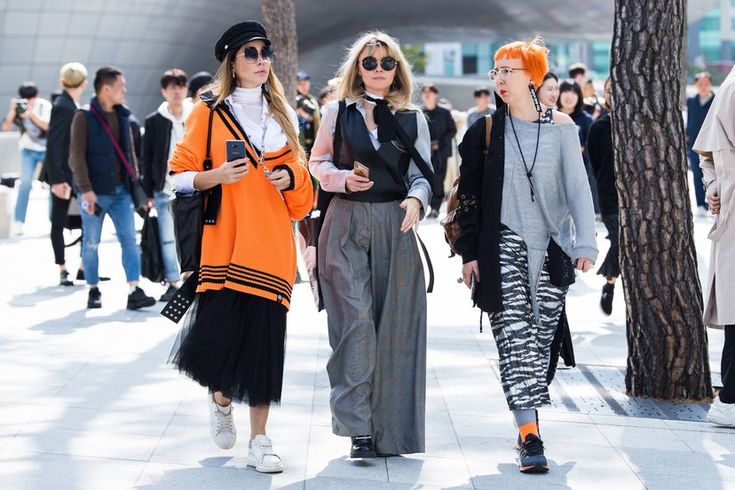
Building an Acubi wardrobe does not require buying everything new. The aesthetic is designed for versatility and works with pieces you may already own, provided you apply the right principles.
-
1Start with the palette. Clear out any brightly coloured or heavily patterned pieces from your planned outfit. Your foundation should be black, white, cream, beige, or gray. These are not restrictions — they are the canvas that makes everything else work.
-
2Set your proportions first. Decide which version of the slim-top, baggy-bottom formula you are going for. Cropped baby tee with wide-leg trousers. Fitted ribbed top with cargo pants. Mesh top with parachute pants. Get the proportions right before adding anything else.
-
3Add one layering piece. A bolero cardigan, sheer overshirt, zip-up hoodie, or relaxed blazer. One layer, not two or three. The layering adds depth — multiple layers create chaos.
-
4Choose your shoes by the story. Chunky sneakers for a daytime streetwear look. Platform boots for an edgier evening version. Minimal loafers when you want the outfit to feel cleaner. Shoes signal the sub-mood of your Acubi outfit more than any other single item.
-
5Add one accessory maximum. A silver chain, a mini shoulder bag, or simple rings. Not all three. The restraint in accessories is what separates Acubi from fashion that merely uses neutral colours.
-
6Check the subversive detail. Is there one element that subverts expectations? A sheer panel, an exposed seam, an asymmetrical cut, a thumb-hole sleeve? If everything is perfectly conventional, add one small subversive element. This is the "edgy" part of "minimalist yet edgy."
-
7Step back and edit. Ask: is there anything here that does not need to be here? Acubi rewards subtraction. If something feels redundant, remove it. The final outfit should feel deliberate at every point.
🧍 Acubi for Men
Acubi is a gender-neutral aesthetic by design, but menswear expressions of the style have their own distinct character. Retailers like Lewkin have launched dedicated "Acubi Men" lines featuring oversized hoodies and street-style knits. The core principles translate directly: neutral tones, relaxed oversized fits, deliberate layering, and understated accessories.
For men, the key pieces are slightly different in emphasis. Oversized hoodies and zip-up sweatshirts replace bolero cardigans as the primary layering piece. Wide-leg cargo trousers, track pants, and relaxed denim replace parachute pants. Chunky sneakers remain central. Silver accessories — chain necklaces, simple rings — carry over directly from the women's version of the aesthetic.
The slim-top, baggy-bottom rule translates as: fitted or cropped hoodie over wide-leg trousers, or a slim ribbed top under an oversized outer layer with slim-fit bottoms. The proportional contrast is the same — it just uses different specific pieces.
🔍 Acubi Sub-Styles: Which Version Fits You?
Within the broader Acubi aesthetic, several distinct sub-directions have emerged. Click any card to read more.
🎯 Find Your Acubi Style
Which Acubi Sub-Style Fits You?
One question to find your direction within the aesthetic.
What matters most to you when you get dressed?
❓ Frequently Asked Questions
Sources and Further Reading
- CNN — K-Pop Idols and the Rise of Acubi Fashion (2025)
- Aesthetics Wiki — Acubi (with citations to DC Inside and academic sources)
- Springer — The Effect of Hallyu on Tourism in Korea, Journal of Open Innovation (2017)
- Springer — Hallyu as a Government Construct: The Korean Wave in Economic and Social Development
- Springer — The Sociology of Hallyu Pop Culture: Surfing the Korean Wave (2021)
- ScienceDirect — Cross-National Market Segmentation: The Korean Wave in ASEAN Countries (2020)
- ScienceDirect — The Korean Wave in the Middle East: Past and Present (2022)
- NIH/PMC — Film as Cultural Diplomacy: South Korea's Nation Branding Through Parasite (2021)
- Her Campus UCT — An Analysis on Acubi Fashion (University of Cape Town, 2022)
- Springer — Introduction: Thinking the Korean Wave Diasporically (2022)