
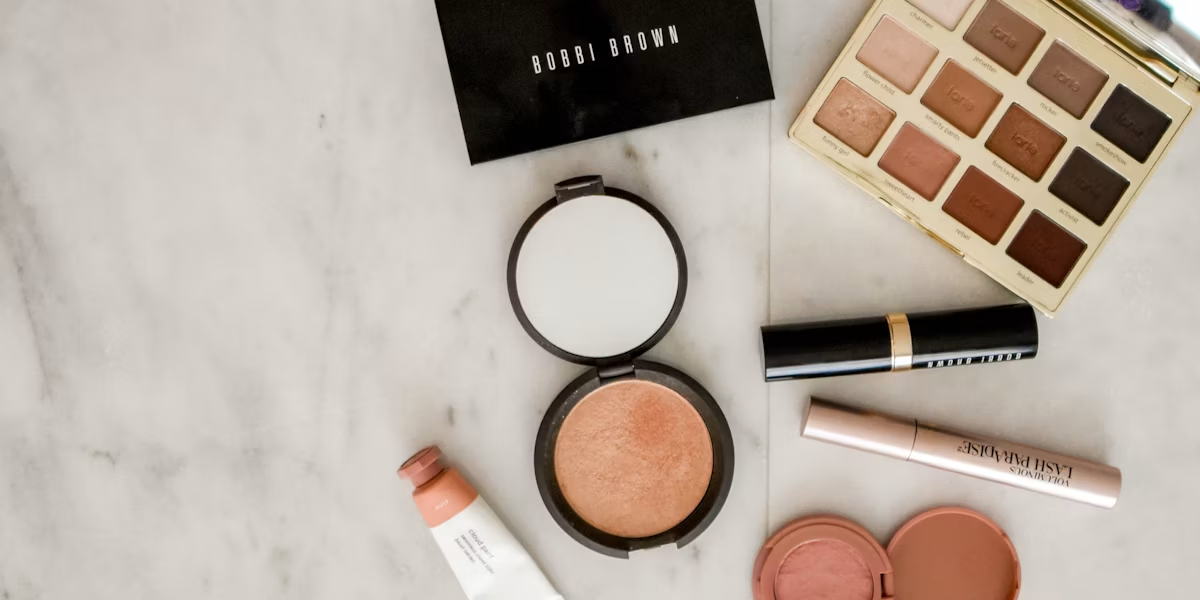
What is Korean glass skin?
The term "glass skin" became widely used after Korean-American makeup artist Ellie Choi posted her skincare results on Instagram in 2017. The concept itself, though, is rooted in a Korean beauty philosophy that goes back much further: skin health over skin coverage, hydration as the foundation of appearance, and prevention rather than correction.
Glass skin refers to a complexion that is so smooth, clear, and evenly hydrated that light reflects off it the way it reflects off a polished surface. There are no rough patches to scatter light, no dehydration lines, no uneven tone to create visual noise. The skin looks almost transparent.
"Glass skin looks different on every person because it represents your individual skin at its healthiest, not a single standardized result."
K-beauty aesthetic and clinical guidelineA 12-step routine used by a Korean beauty influencer is not a prescription. It is a framework. What matters is understanding which steps actually do the work, and why.
The global K-beauty market reached $14.68 billion in 2024 and is projected to grow to over $31 billion by 2033, according to Research and Markets. The skincare segment alone accounts for over 62% of that market. This is not a passing trend. It reflects a fundamental shift in how consumers globally approach skin health.
The science behind the look
Understanding why the routine works makes it easier to follow and adapt. Three things determine how skin looks: hydration, barrier function, and surface smoothness. The Korean glass skin routine addresses all three simultaneously.
Hydration and light reflection. When the stratum corneum (the outermost layer of skin) is well-hydrated, it plumps up and becomes more uniform in structure. This uniform surface reflects light evenly, which is what creates the glass-like luminosity. When skin is dehydrated, the surface becomes irregular, scattering light rather than reflecting it. The result is dull, flat-looking skin regardless of what products you apply on top.
The skin barrier. The lipid matrix in the stratum corneum acts as a seal that keeps moisture in and environmental irritants out. When this barrier is intact, skin retains hydration and stays calm. When it is damaged, moisture escapes rapidly (a process called transepidermal water loss, or TEWL) and the skin becomes reactive, red, and dry regardless of how much product you apply. The Korean routine specifically targets barrier repair and maintenance.
Layering thin formulas. One of the structural innovations in Korean skincare is the layering of lightweight, water-based products in sequence rather than applying one heavy cream. Thin formulas absorb more completely and deliver hydration deeper into the skin. Heavy occlusive creams applied alone sit on the surface and can clog pores; lighter layers build hydration at multiple depths.
K-beauty global market growth (USD billion)
How to get Korean glass skin: the full routine
The full 10-step routine below is the comprehensive version. You do not need all 10 steps to start. The core steps are marked clearly. Build from those and add layers as your skin responds.
Oil cleanser
An oil-based cleanser dissolves makeup, sunscreen, and sebum without stripping the skin. This is the first cleanse in the famous Korean double-cleanse method. Oil attracts oil, so it lifts away the fat-soluble debris that a water-based cleanser cannot fully remove on its own.
Apply to dry skin, massage for 60 seconds, then add water to emulsify before rinsing. Look for formulas that rinse clean without leaving a film.
Contains affiliate links. As an Amazon Associate I earn from qualifying purchases at no extra cost to you.
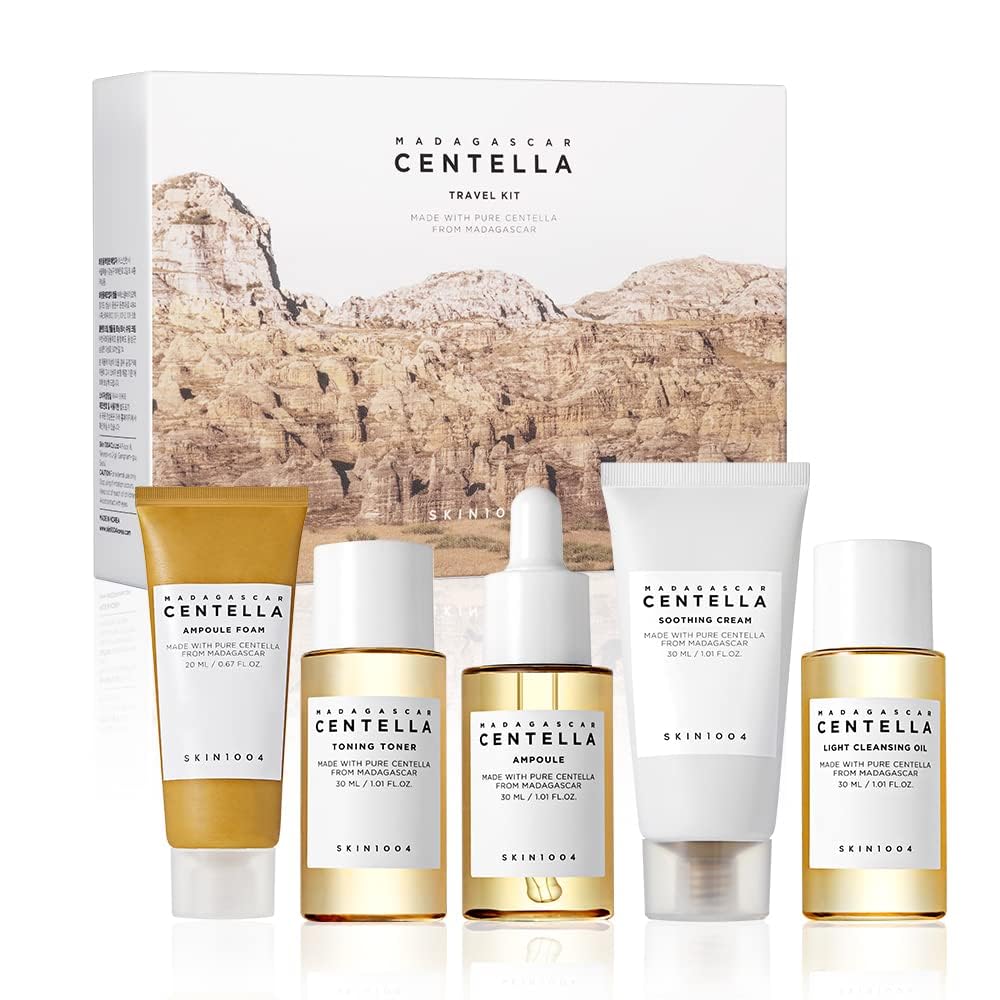
SKIN1004 Madagascar Centella Travel Kit
Includes the centella cleansing oil, ampoule foam cleanser, toner, ampoule, and soothing cream. A complete introduction to the SKIN1004 line in one box.
View on AmazonWater-based cleanser
The second cleanse removes anything the oil cleanser left behind: sweat, water-based impurities, remaining residue. This step should use a gentle, low-pH formula. Harsh cleansers that strip the skin's natural oils disrupt the barrier and cause the skin to overproduce sebum in response.
Gel, foam, or cream formulas all work. The key variable is pH: most effective water-based cleansers for K-beauty routines sit between pH 4.5 and 5.5, which is close to the skin's natural pH. This matters because cleansers with a high pH (like traditional bar soaps) disrupt the acid mantle and compromise barrier integrity.
Contains affiliate links. As an Amazon Associate I earn from qualifying purchases at no extra cost to you.
SKIN1004 Madagascar Centella Travel Kit
The Ampoule Foam included in this kit doubles as your water-based second cleanse. Centella-based, gentle, and low-pH: everything this step needs.
View on AmazonExfoliant (2–3 times per week)
Exfoliation removes the buildup of dead skin cells that accumulates on the surface and creates uneven texture. The Korean approach strongly favors chemical exfoliants over physical scrubs. Chemical exfoliants (AHAs and BHAs) work at the cellular level to loosen the bonds between dead cells so they shed naturally, without the micro-tearing that physical scrubs can cause.
AHAs (like glycolic acid and lactic acid) work on the skin surface and are good for texture and brightness. BHAs (like salicylic acid) are oil-soluble and can penetrate into pores, making them better suited for acne-prone and oily skin. Start with the lowest effective concentration and use no more than 2–3 times per week.
Contains affiliate links. As an Amazon Associate I earn from qualifying purchases at no extra cost to you.
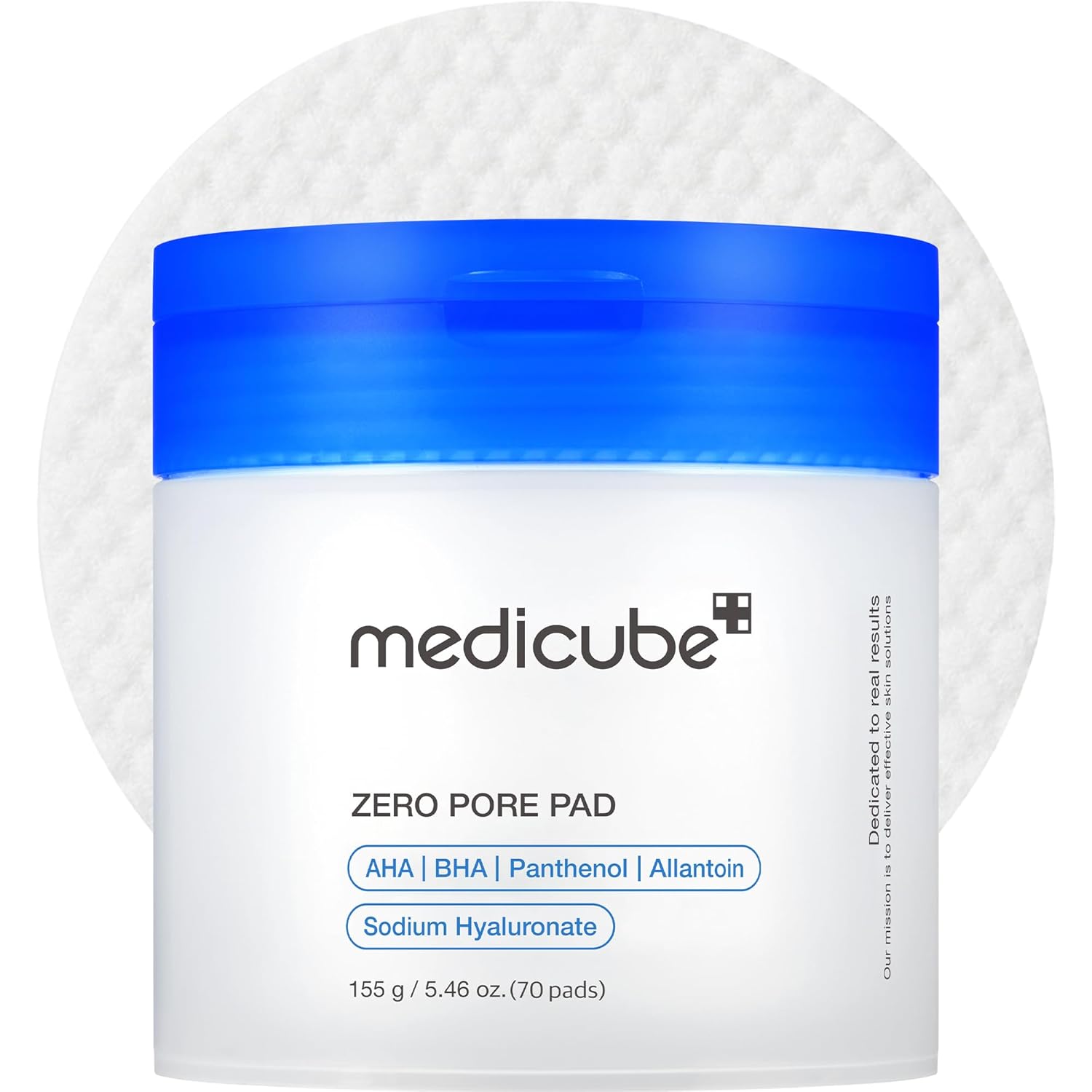
medicube Zero Pore Pad 2.0 (70 Pads)
Dual-textured pads with 4.5% AHA (lactic acid) and 0.45% BHA (salicylic acid). One side exfoliates, one side soothes. Use 2–3 times per week after cleansing.
View on AmazonHydrating toner (or "first essence")
This step rebalances the skin's pH after cleansing and delivers the first layer of hydration. Korean toners are nothing like the astringent alcohol-based toners common in Western routines. They are lightweight, water-like, and designed to be absorbed completely, prepping the skin to receive subsequent layers.
The technique matters here: patting toner in with your palms rather than swiping with a cotton pad helps it absorb more fully and avoids friction on freshly cleaned skin. Some people layer toner two or three times (the "7-skin method") for maximum hydration loading.
Contains affiliate links. As an Amazon Associate I earn from qualifying purchases at no extra cost to you.
SKIN1004 Madagascar Centella Travel Kit
The centella hydrating toner in this kit is a strong starting point. Lightweight, calming, and built around centella asiatica for barrier support. Pat in two layers for best results.
View on AmazonEssence
The essence is one of the most distinctly Korean steps in the entire routine and arguably the most important one. It sits between a toner and a serum in consistency: thicker than water but thinner than serum. Its job is to support cellular turnover, deliver active hydrating ingredients, and create an optimal base for the steps that follow.
Many essences contain fermented ingredients, snail secretion filtrate, or concentrated hyaluronic acid. Fermented extracts are worth understanding: the fermentation process breaks down molecules into smaller sizes, which improves their ability to penetrate the skin. This is part of the reason Korean skincare results feel different from Western routines that use similar ingredients in unfermented forms.
Contains affiliate links. As an Amazon Associate I earn from qualifying purchases at no extra cost to you.
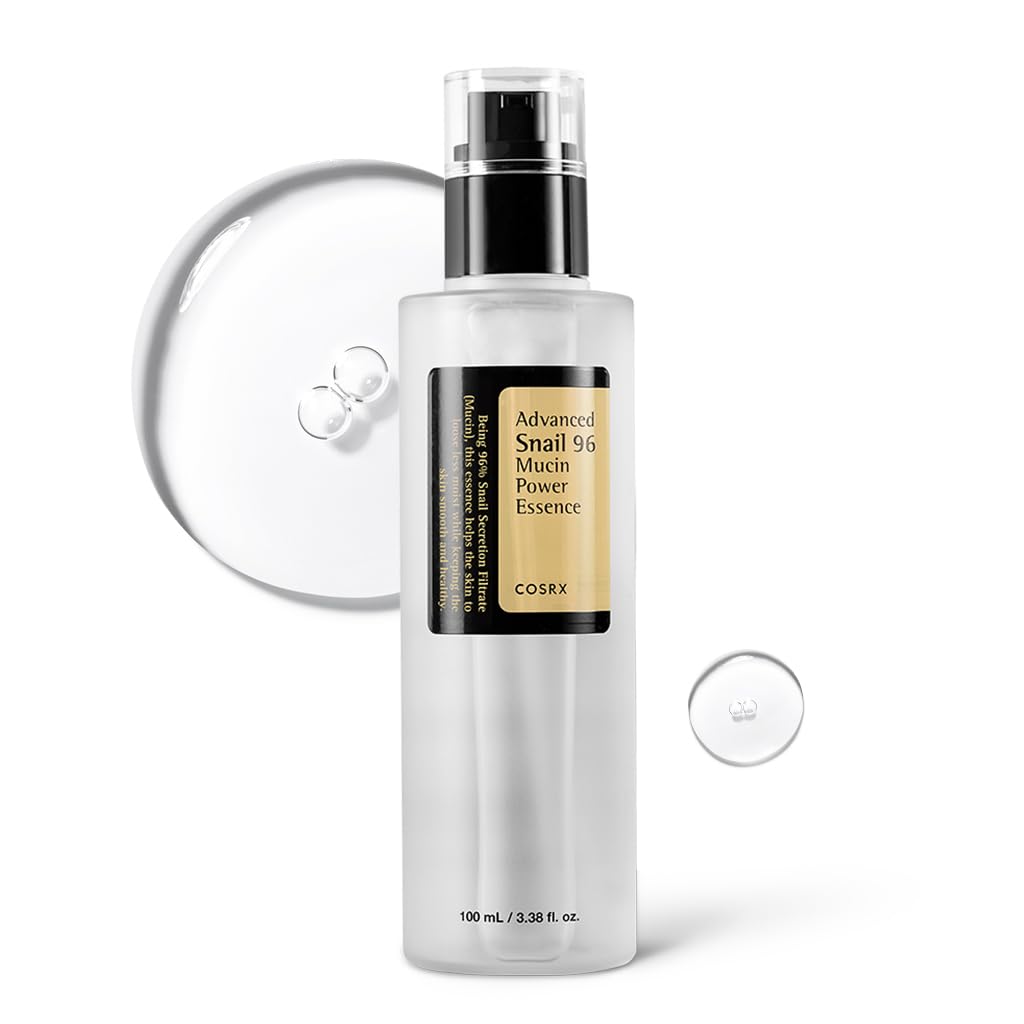
COSRX Snail Mucin 96% Repairing Serum (100ml)
96% snail secretion filtrate. One of the most popular and well-reviewed K-beauty products globally. Works as both an essence and a light serum. Suitable for all skin types including sensitive.
View on AmazonSerum or ampoule (targeted treatment)
Serums are concentrated, active-ingredient formulas designed to address specific skin concerns. In a glass skin routine, the most relevant serums are those targeting hydration, brightness, and barrier support. This is where you add niacinamide for skin tone and pore refinement, vitamin C for brightness, or peptides for skin structure.
An ampoule is a more concentrated version of a serum, typically used for a short intensive treatment period (2–4 weeks) rather than daily long-term use. Start with one serum, not several. Introduce new actives one at a time, at least 4–6 weeks apart, so you can actually understand what is working.
Contains affiliate links. As an Amazon Associate I earn from qualifying purchases at no extra cost to you.
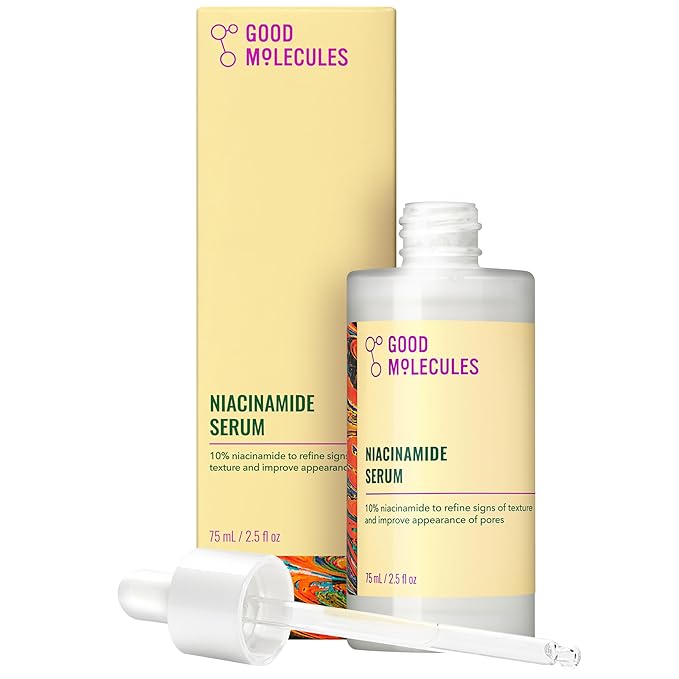
Good Molecules Niacinamide Serum (10%)
10% niacinamide targets blemishes, uneven skin tone, and enlarged pores. Ultra-lightweight formula. Strong clinical backing for this concentration. One of the best value niacinamide serums available.
View on AmazonSheet mask (2–3 times per week)
Sheet masks are cloth or hydrogel masks soaked in a concentrated serum. They create a sealed environment on the skin surface that forces hydration to absorb rather than evaporate. The occlusion effect is key: the physical barrier of the mask prevents transepidermal water loss while the active ingredients penetrate over 15–25 minutes.
The BIODANCE Bio-Collagen Deep Mask is one of the best-known examples in this category. It is a hydrogel format rather than cloth, which adheres more closely to the face and delivers a higher concentration of active ingredients. After removing a sheet mask, do not rinse. Pat in the remaining serum and continue with moisturizer.
Contains affiliate links. As an Amazon Associate I earn from qualifying purchases at no extra cost to you.
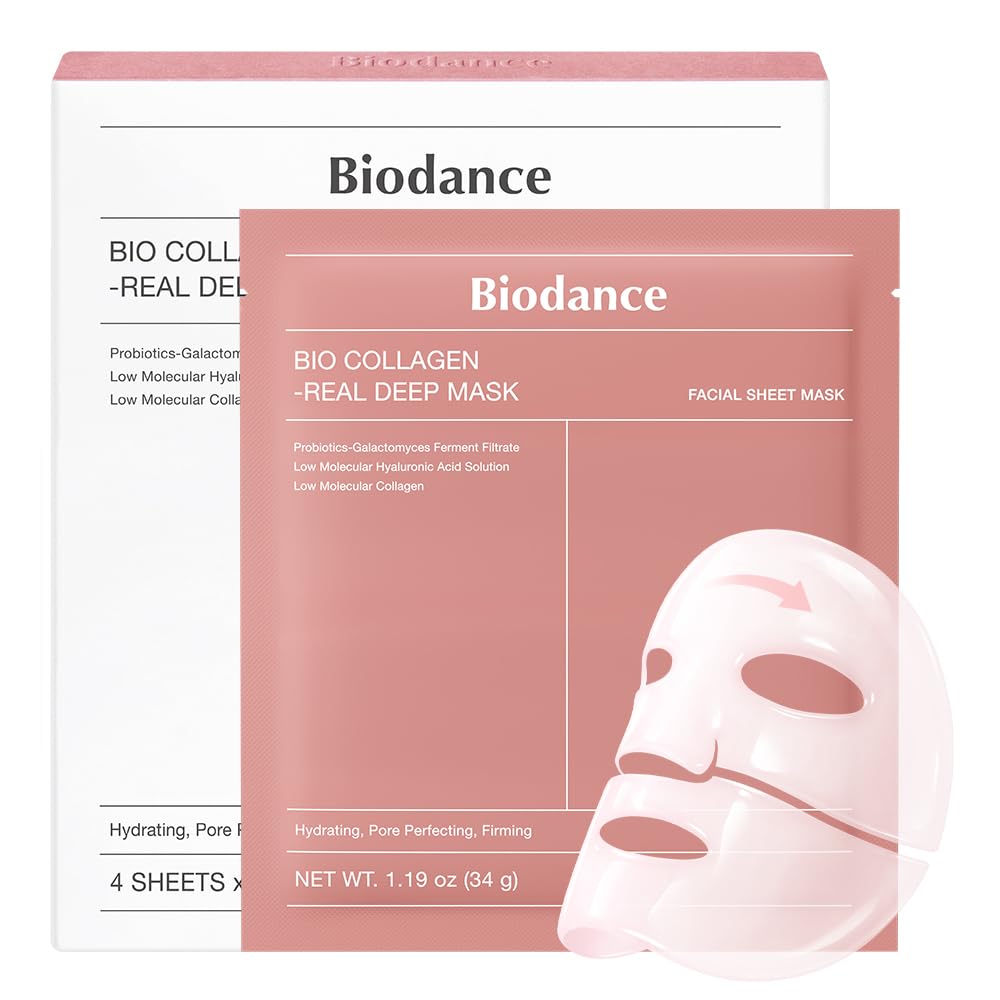
BIODANCE Bio-Collagen Real Deep Mask
Hydrogel format that adheres closely to the face and delivers collagen, hyaluronic acid, and niacinamide overnight. Pore-minimizing and deeply plumping. Use 2–3 times per week.
View on Amazon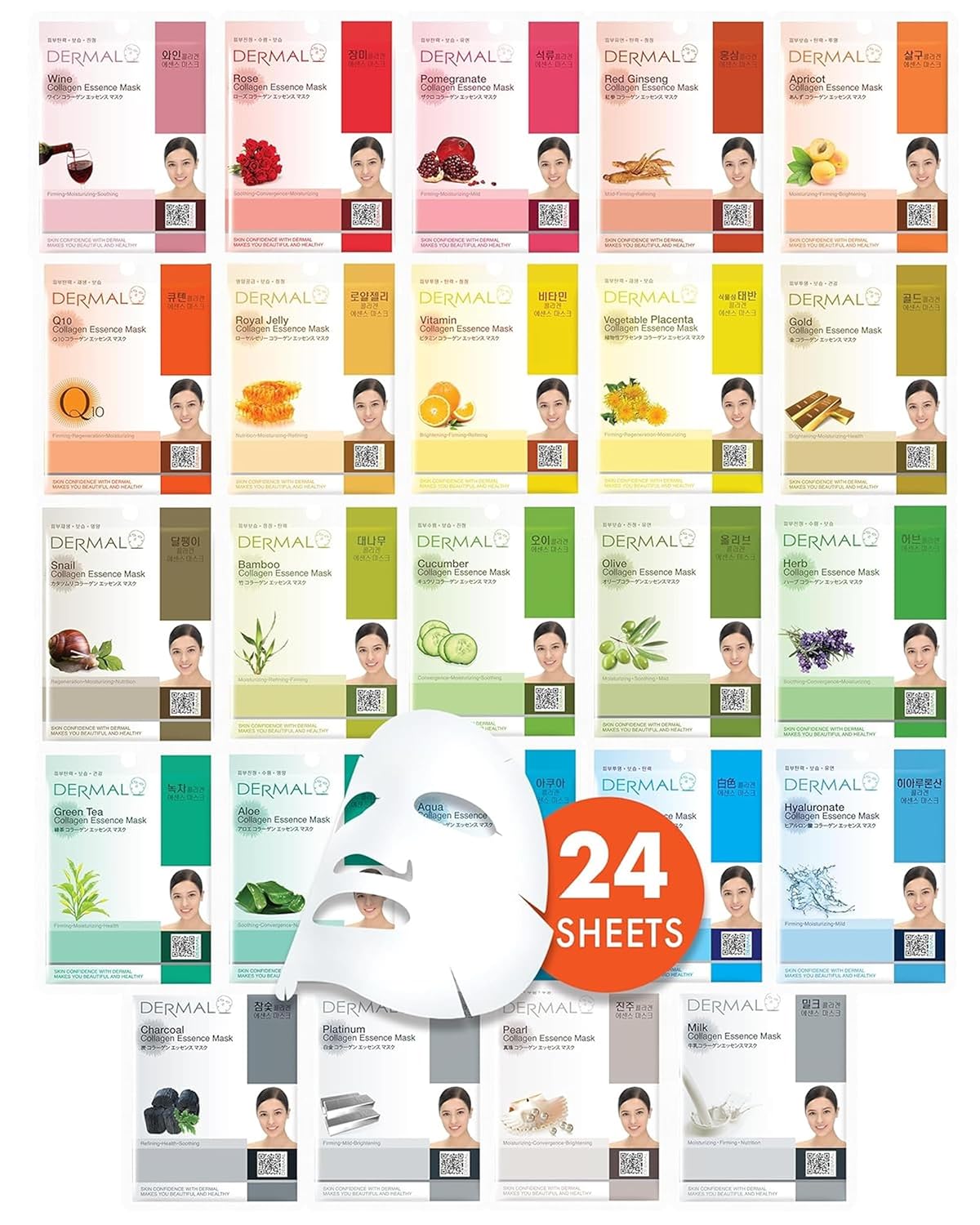
DERMAL 24 Combo Pack Korean Sheet Masks
24 masks covering multiple skin concerns. Ideal for daily sheet masking without the per-mask cost of premium single-mask formats. A great way to build the masking habit consistently.
View on AmazonEye cream
The skin around the eyes is the thinnest on the face, roughly 0.5mm compared to 2mm elsewhere, and it has fewer oil glands, making it prone to dehydration and fine lines. Eye cream delivers targeted hydration and support to this area. Apply with your ring finger, which naturally applies the least pressure, using a gentle tapping motion from the outer corner inward.
Ingredients to prioritize: peptides for firmness, caffeine for puffiness, hyaluronic acid for hydration. Avoid heavy formulas that migrate into the eyes and cause irritation.
Contains affiliate links. As an Amazon Associate I earn from qualifying purchases at no extra cost to you.
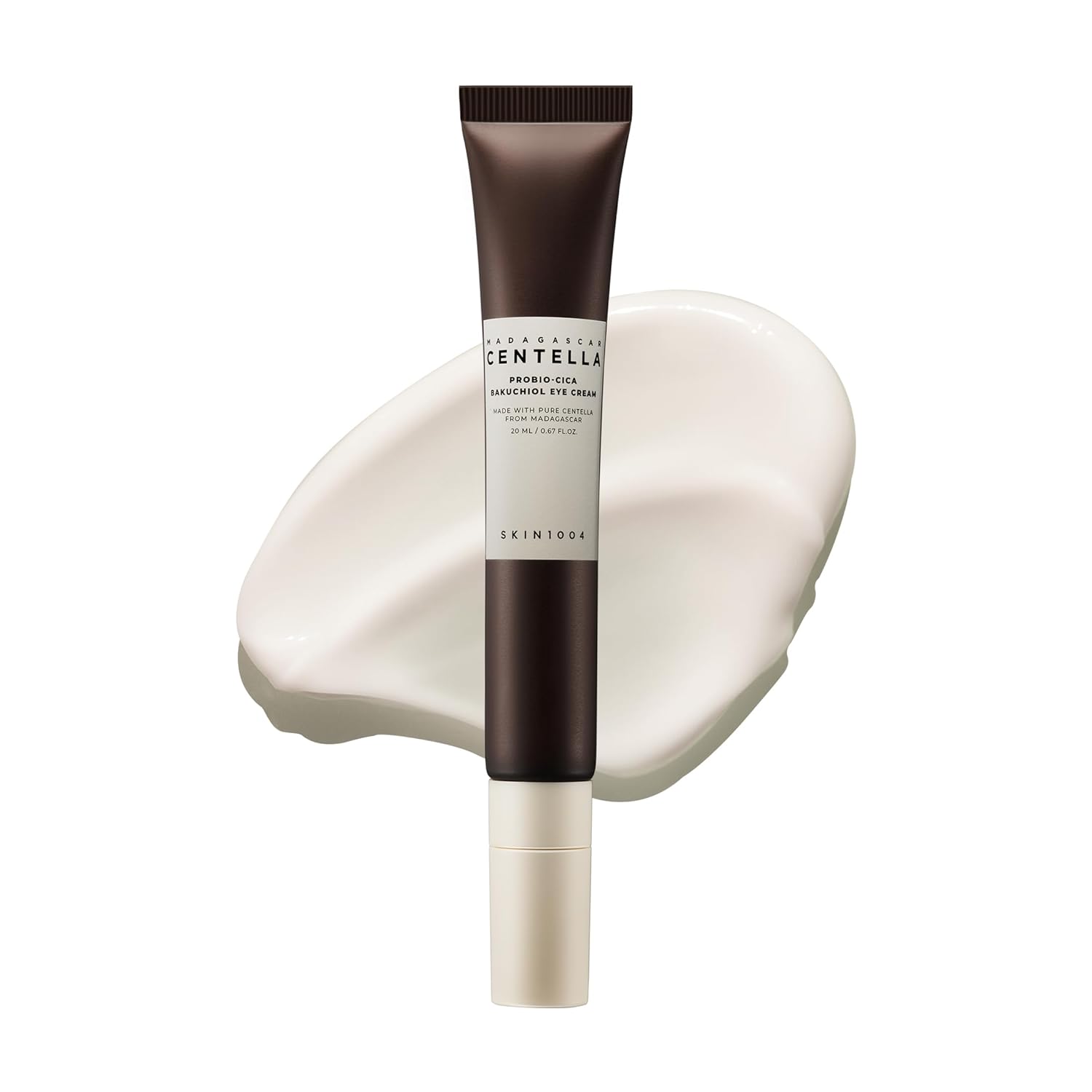
SKIN1004 Centella Probio-Cica Bakuchiol Eye Cream
Centella, bakuchiol (a gentle retinol alternative), and probiotic complex for fine lines and hydration around the eye. Fragrance-free and safe for sensitive skin.
View on AmazonMoisturizer
Moisturizer is the layer that seals in everything below it. In the Korean routine, moisturizer does not replace hydration. It locks it in. By this point in the routine, your skin should already be well-hydrated from the toner, essence, and serum layers. The moisturizer's job is to prevent all of that from evaporating.
Choose weight based on your skin type. Oily and combination skin usually does better with gel or light cream formulas. Dry skin benefits from richer creams. In winter or in dry climates, add a facial oil between your moisturizer and the final step to reinforce the seal.
Contains affiliate links. As an Amazon Associate I earn from qualifying purchases at no extra cost to you.
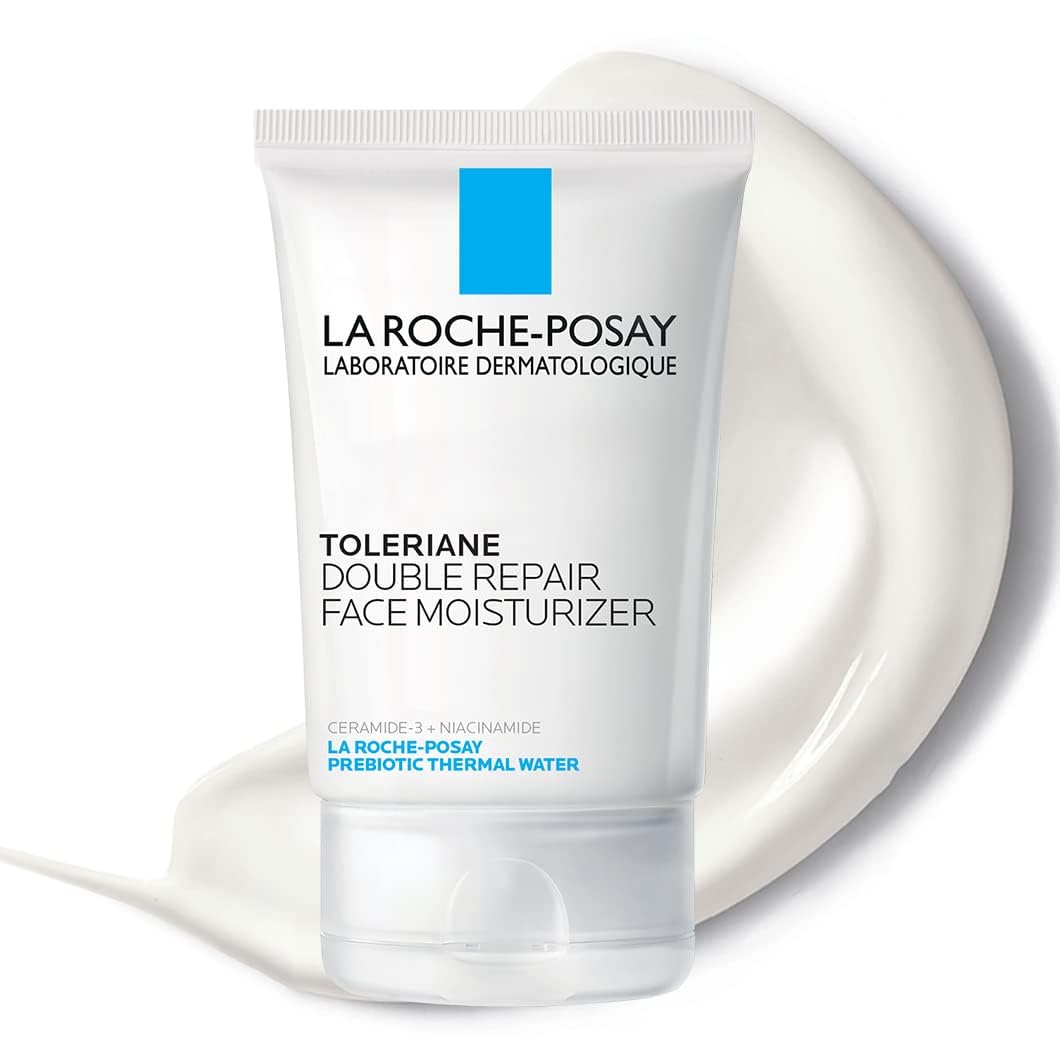
La Roche-Posay Toleriane Double Repair Face Moisturizer
Ceramides + niacinamide + prebiotic thermal water. Fragrance-free, suitable for all skin types, and clinically tested for sensitive skin. Seals in every layer below it without clogging pores.
View on AmazonSunscreen: SPF 30 or higher
This is the most important step in the entire routine, and the one most often skipped. UV radiation undoes every other step. It breaks down collagen, creates hyperpigmentation, damages the skin barrier, and accelerates every visible sign of aging. No amount of essence or serum can compensate for consistent UV exposure without protection.
Korean sunscreens have gained a global reputation for a reason. They are formulated to be lightweight, non-greasy, and comfortable to wear daily, a sharp contrast to many Western sunscreens that are thick and white-cast-heavy. Look for broad-spectrum coverage (UVA and UVB), SPF 30 minimum, and PA+++ or higher for UVA protection.
Contains affiliate links. As an Amazon Associate I earn from qualifying purchases at no extra cost to you.
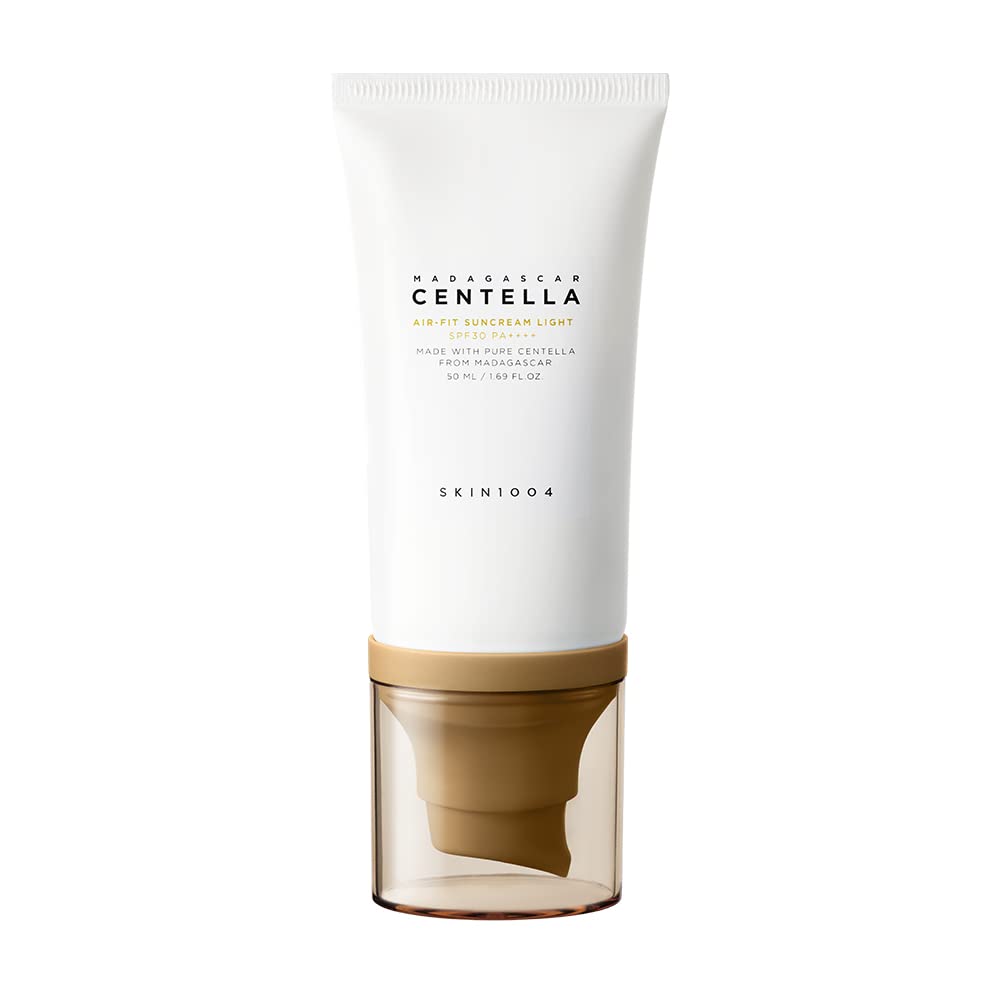
SKIN1004 Madagascar Centella Air-fit Suncream Light
SPF 50+ PA++++. Ultra-lightweight finish with no white cast. Centella asiatica calms and protects simultaneously. One of the most-worn Korean sunscreens for everyday use under makeup or alone.
View on AmazonKey ingredients and what the research says
The ingredients below are the most evidence-backed in Korean glass skin routines. Each one has published research behind it. Links to the relevant studies are included.
Hyaluronic acid
HumectantA naturally occurring molecule in the skin that holds water. Concentrations decline with age. Topical application has been shown in multiple clinical trials to significantly improve skin hydration, plumpness, and surface smoothness.
PubMed: Topical HA serum efficacy study →Niacinamide (Vitamin B3)
Barrier + BrightenerStimulates ceramide synthesis in the skin, strengthening the barrier. Clinical trials show improvements in fine lines, hyperpigmentation, skin texture, and redness. Well-tolerated by all skin types.
PubMed: Nicotinamide and ceramide synthesis →Centella asiatica
Soothing + RepairA traditional herb used in Korean and Asian medicine for centuries. Active compounds (asiaticoside, madecassoside) promote collagen synthesis, support wound repair, and reduce inflammation. Particularly valued in sunscreen formulations.
PMC: Pharmacological effects of Centella asiatica →Ceramides
Barrier LipidLipids that form the core structural component of the skin's barrier. Ceramide levels decline with age and environmental damage. Topical ceramides help restore barrier integrity and reduce water loss.
NCBI: Ceramides and skin barrier function →Snail secretion filtrate
Multi-FunctionContains hyaluronic acid, glycolic acid, allantoin, and glycoproteins. Research supports its role in hydration, skin regeneration, and anti-inflammatory effects. A standout ingredient in Korean essence formulations.
NCBI: Snail mucin dermatological applications →Glycerin
HumectantOne of the most effective and widely studied humectants in skincare. Draws moisture from both the environment and deeper skin layers to the surface. Found in virtually every effective Korean toner, essence, and moisturizer.
PMC: Benefits of topical hydrating ingredients →AM vs PM: your daily schedule
The full 10-step routine is primarily an evening ritual. In the morning, a simplified version focuses on protection and hydration. At night, the priority is repair and deep hydration.
Adjusting for your skin type
The routine framework is the same for every skin type. What changes is product selection, weight, and frequency. Here is a quick reference for how to adapt each skin type:
| Skin type | Adjustments to make | Ingredients to prioritize |
|---|---|---|
| Oily | Use lightweight gel textures throughout. Skip the facial oil step. Use BHA exfoliant 2x per week for pore clarity. | Niacinamide, salicylic acid, lightweight hyaluronic acid |
| Dry | Layer toner more times (5–7 skin method). Use a richer moisturizer. Add a facial oil before the final seal. Use AHA rather than BHA for exfoliation. | Ceramides, glycerin, squalane, shea butter, snail mucin |
| Combination | Apply lighter products to the T-zone and richer products to dry areas. This is the most common skin type and responds well to the standard routine. | Hyaluronic acid, centella, niacinamide, lightweight ceramide moisturizer |
| Sensitive | Reduce the routine to core steps only at first. Introduce one new product every 2–3 weeks. Avoid fragrance, essential oils, and high-strength actives initially. | Centella asiatica, beta-glucan, ceramides, fragrance-free formulas |
| Acne-prone | Prioritize non-comedogenic products. Use BHA to keep pores clear. Avoid heavy occlusives that can trap bacteria. Niacinamide is particularly well-suited for this skin type. | Niacinamide, salicylic acid (BHA), centella, tea tree (spot use only) |
What to expect over time
Glass skin does not happen in a week. The research on hyaluronic acid, niacinamide, and ceramide formulations consistently shows that meaningful changes in skin hydration, texture, and tone require weeks of consistent use. A clinical trial published on PubMed showed that oral hyaluronic acid supplementation produced visible skin hydration improvement within 2–8 weeks, with skin tone improvement at 4–8 weeks and measurable increases in epidermal thickness at 12 weeks. Topical applications follow a similar trajectory.
Week 1–2 // Adjustment period
Adjustment period. Your skin may feel unusually hydrated or, if you are switching from a harsh routine, slightly reactive. This normalizes. Focus on the core steps: cleanse, toner, essence, moisturizer, sunscreen.
Week 3–4 // Texture improves
Texture improves. Rough patches smooth out. Skin feels consistently more comfortable and less tight after cleansing. Hydration levels begin to stabilize.
Week 5–8 // Tone and glow emerge
Tone and glow emerge. Hyperpigmentation begins to fade if you are using niacinamide or vitamin C consistently. Skin looks more even. The luminosity that defines glass skin becomes visible in good lighting.
Month 3+ // Structural improvement
Structural improvement. Skin barrier function measurably improves. Fine lines look softer due to consistent plumping. The glass skin effect is visible in all lighting, not just favorable conditions. This is where long-term results live.
Common mistakes that slow results
Over-exfoliating
Using exfoliants daily or at high strengths is the most common barrier-damaging mistake. Stick to 2–3 times per week and start at the lowest available concentration.
Skipping sunscreen
UV radiation degrades every result you are building. Without SPF, niacinamide cannot fully address hyperpigmentation and collagen continues to break down. No shortcut here.
Too many actives at once
Introducing vitamin C, retinol, AHA, BHA, and niacinamide simultaneously makes it impossible to identify what is helping and what is causing irritation. One new active per month maximum.
Inconsistency
A full routine done 3 nights per week delivers worse results than a simplified 3-step routine done every night. Consistency beats complexity every time.
Wrong order of application
Always apply thinnest to thickest: toner first, then essence, then serum, then moisturizer. Applying a heavy moisturizer before a serum blocks active ingredients from absorbing.
Expecting overnight results
Visible skin change requires skin cell turnover, which takes approximately 28 days in healthy young adults and longer as we age. Give any routine at least 6 weeks before judging whether it works.
❓ Frequently Asked Questions
No. The core steps (oil cleanser, water-based cleanser, hydrating toner, essence, moisturizer, and sunscreen) will produce most of the results. The additional steps (exfoliation, sheet mask, serum, eye cream) refine and accelerate results. Start with the core six and build from there.
Yes. Oily skin is often dehydrated skin that is producing excess sebum to compensate for moisture loss. Properly hydrating the skin through a toner-essence-moisturizer routine often reduces oil production over time. Use lightweight, gel-textured formulas and a BHA exfoliant to keep pores clear.
Most people notice improved skin texture and hydration within 2–4 weeks of consistent daily use. Visible improvements in skin tone, pore appearance, and the glass-skin luminosity typically emerge at 6–8 weeks. Structural improvements like barrier repair and fine line reduction take 3 months or more.
No. The Korean glass skin routine is a methodology, not a brand requirement. What matters is the right ingredients in the right formulation sequence. Many Korean brands are excellent and often offer strong value relative to their formulation quality, but the system works with any brands that use the right active ingredients.
Yes. Some of the most effective ingredients (glycerin, niacinamide, and centella asiatica) appear in affordable products. Building the core routine (cleanser, toner, essence, moisturizer, SPF) does not require expensive products. Concentrate spending on the essence and sunscreen steps, which tend to have the most impact on the glass skin result.
Glass skin is a state of skin health: deeply hydrated, smooth surface, even tone, with natural light reflection. Dewy skin refers more to the visual finish: a wet-look sheen that can be created with skincare or makeup. All glass skin looks dewy; not all dewy looks are glass skin. The Korean approach focuses on the underlying skin health, not the surface finish.
My honest take
I have tested a lot of skincare systems, and the Korean glass skin routine stands out not because it is exotic or complicated but because the logic behind it is sound. Hydration before correction. Gentle before active. Consistent before intensive. That framework is backed by research, and the results are visible when you follow it with patience.
If I were starting from zero today, I would spend the first month doing just six steps: oil cleanse, water cleanse, toner (layered twice), a snail mucin essence, a simple ceramide moisturizer, and SPF. That combination alone will change your skin. Everything else is refinement.
The most important product in this entire routine is sunscreen. Not the sheet mask, not the vitamin C serum. Sunscreen. If you do one thing after reading this, it is to find a Korean SPF 50 sunscreen you genuinely enjoy wearing and use it every single morning. That single change will do more for your long-term skin appearance than any other step in this guide.
The Acubi Team
Shop the lip care routine
Every product recommended in this guide in routine order. All available on Amazon.
Contains affiliate links. As an Amazon Associate I earn from qualifying purchases at no extra cost to you.
SKIN1004 Madagascar Centella Travel Kit
Cleansing oil, foam cleanser, toner, ampoule, and soothing cream. The best single purchase to start the routine.
View on Amazonmedicube Zero Pore Pad 2.0 (70 Pads)
AHA + BHA dual-texture exfoliating pads. Use 2–3 times per week.
View on AmazonCOSRX Snail Mucin 96% Repairing Serum
96% snail secretion filtrate. The essence step, simplified.
View on AmazonGood Molecules Niacinamide Serum (10%)
Targeted brightening and pore refinement. Best-value niacinamide serum.
View on AmazonBIODANCE Bio-Collagen Real Deep Mask
Overnight hydrogel mask for deep collagen and hyaluronic acid delivery.
View on AmazonDERMAL 24 Combo Pack Korean Sheet Masks
24-mask variety pack for daily sheet masking at low per-mask cost.
View on AmazonSKIN1004 Centella Probio-Cica Bakuchiol Eye Cream
Centella + bakuchiol eye cream for fine lines and under-eye hydration.
View on AmazonLa Roche-Posay Toleriane Double Repair Moisturizer
Ceramide + niacinamide moisturizer. Fragrance-free, all skin types.
View on AmazonSKIN1004 Madagascar Centella Air-fit Suncream Light
SPF 50+ PA++++. Lightweight, no white cast, centella-infused.
View on Amazon