Jirai kei is one of the most visually distinct and culturally layered fashion subcultures to emerge from Japan in recent years. On the surface it looks like ultra-feminine, doll-like style: black and pink color combinations, frilled skirts, lace, ribbons, platform shoes, and dramatic tear-stained makeup. Look closer and there is a much more complex story behind it, one rooted in Tokyo’s underground nightlife, internet slang, the reclamation of a derogatory label, and a generation of young people using clothing to express emotions that do not fit neatly into conventional femininity.
This guide covers everything: what jirai kei means, where it came from, what the clothing and makeup actually look like, how it compares to related aesthetics, and how to wear it if you are drawn to the style.

What Is Jirai Kei?
Jirai kei (地雷系) is a Japanese fashion subculture that blends hyperfeminine, doll-like aesthetics with deliberately dark and emotionally heavy undertones. The visual language is built around contrasts: soft pink paired with deep black, frilly lace next to studded hardware, an innocent pastel palette cut through with smudged eyeliner and tear-stained makeup. The result is a look that is unmistakably cute and simultaneously unsettling, fragile and fierce at the same time.

The style emerged from Tokyo’s nightlife districts in the early 2020s and spread globally through TikTok and Instagram. It is most commonly associated with young women, though the community includes people of all genders. What draws people to jirai kei is not just the clothing but the attitude it communicates: an acceptance of emotional complexity, a refusal to smooth over difficult feelings, and a kind of power found in vulnerability.
🌟 The Meaning Behind the Name 🌟
The word jirai (地雷) translates directly to “landmine” in Japanese. The kei (系) suffix means “type” or “style,” so jirai kei literally means “landmine style.” To understand why, you need to know where the term came from.
The phrase derives from “jirai onna” (地雷女), meaning “landmine woman,” which was derogatory internet slang used on Japanese anonymous forums to describe women who appeared sweet and gentle on the surface but were perceived as emotionally volatile or unpredictable in relationships. The implication was that getting close to such a woman was like stepping on a hidden mine: the danger was invisible until it was too late. According to Wikipedia’s entry on Jirai-kei and Ryosangata fashion, the term first appeared on anonymous Japanese online forums to describe people who appear gentle on the surface but exhibit emotionally unstable behavior in romantic relationships.
The fashion subculture took that slur and flipped it. Rather than hiding the emotional complexity the term mocked, jirai kei wearers lean into it, using clothing and makeup to make their inner world visible. The pale “crying” makeup, the dark color palette beneath the pink ruffles, the deliberately fragile silhouette — all of it is a visual declaration: “I am complicated, and I am not hiding it.”
Within the community, wearers are referred to as jirai joshi (地雷女子, “landmine girls”) or jirai danshi (地雷男子, “landmine boys”). The reclamation of the original slang is central to how the subculture understands itself.
History and Origins
Underground Roots in Kabukicho
The visual roots of jirai kei reach back to Tokyo’s Kabukicho district in Shinjuku, one of the city’s most well-known nightlife areas. The district had long been associated with a particular type of young woman who frequented host clubs and nightlife spaces: someone projecting a sweet, ultra-feminine appearance while navigating some of the harder edges of urban life. The contrast between that surface presentation and the underlying reality was the seed of what would become jirai kei’s defining tension.
The style also has strong ties to the Toyoko Kids, a loosely organized group of young runaways and teenagers who gathered in Kabukicho, many of whom adopted versions of this dark-cute aesthetic as a form of identity and community. Their presence in the neighborhood, and the visibility of their style, fed directly into the formation of jirai kei as a recognizable aesthetic.
The 2020 Viral Moment
Jirai kei broke into mainstream Japanese youth culture during the COVID-19 lockdowns in early 2020. A makeup challenge by Japanese YouTuber Surero, demonstrating the signature jirai kei makeup look, went viral on social media. The look resonated widely: pale foundation, rosy pink blush blended under the eyes to create a perpetually tear-stained appearance, downward eyeliner, large colored contacts, and dark lips. It captured something about the emotional atmosphere of that specific moment in a way that spread rapidly across platforms.
From there, jirai kei moved from a subculture associated with Tokyo nightlife into a broader fashion identity that young people across Japan, and eventually globally, could adopt on their own terms.
Global Spread Through Social Media
By 2022 and 2023, jirai kei had become one of the more recognizable Japanese alternative fashion exports on TikTok and Instagram. International audiences were drawn to its visual distinctiveness and its emotional resonance. Brands began producing clothing explicitly styled for the aesthetic, and Western interpretations began appearing alongside authentic Japanese references.
🌟 Jirai Kei Clothing and Key Pieces 🌟
The jirai kei wardrobe is built around a specific set of garments and accessories that communicate the aesthetic’s central tension between sweetness and darkness. Here is a breakdown of the core pieces.
Color Palette
The foundational palette is black, white, and muted or dusty pink. Deep red and charcoal appear as accent colors. Unlike Gothic Lolita, which commits fully to black and Victorian richness, or Ryosangata, which stays almost entirely in soft pastels, jirai kei keeps both the dark and the pale pink in constant dialogue. Neither fully dominates.
Skirts and Dresses
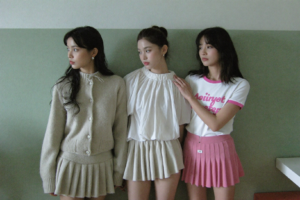
High-waisted pleated skirts are the cornerstone garment. They appear in black, dark gray, or black-and-pink combinations and are often heavily detailed with lace trim, ruffle layers, or decorative hardware. Mini length is most common, usually worn with lace tights or garter stockings. Frilled dresses with Peter Pan collars or high necklines are also central to the aesthetic, often in black or deep pink with white lace detailing throughout.
Tops and Layering
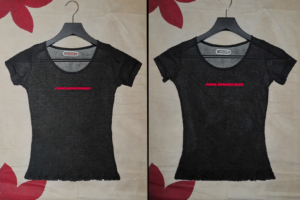
High-collared lace blouses worn under cardigans or oversized knit sweaters are a jirai kei standard. Fitted tops in white or pale pink serve as layering bases under loose cardigans or cropped jackets. Lace-trimmed camisoles layered under sheer or mesh outer pieces are also common. The layering in jirai kei is important because it adds visual complexity and creates that sense of something carefully constructed beneath a soft exterior.
Platform Shoes
Platform shoes are non-negotiable in jirai kei. The most popular choices are platform Mary Jane clogs and platform loafers, typically with 3 to 5 inches of heel height. Design details like heart-shaped buckles, bow decorations, chain hardware, and straps are common. Black is the dominant color, though some platform shoes in patent leather or with pink detailing also appear. The height and the decorative hardware contribute to the doll-like silhouette that is central to the aesthetic.
Accessories
Accessories are where jirai kei outfits become instantly recognizable. Long black satin hair bows are arguably the single most iconic jirai kei accessory. Other key pieces include: Vivienne Westwood Saturn logo necklaces, Miu Miu bracelets, heart-shaped buckle belts, chokers (especially velvet or lace styles), Sanrio character accessories (particularly Kuromi and My Melody), MCM logo mini backpacks in pale pink, rhinestone and pearl jewelry, and decorative hairpins. Jill Stuart handbags and Miss Dior perfume bottles also appear frequently in jirai kei styling imagery and are considered part of the aesthetic’s broader visual identity.
Hosiery
Lace trim socks, dark opaque tights, sheer tights, and garter stockings are all jirai kei staples. These are visible above or below the platform shoe and add texture and detail to the lower half of an outfit. Lace trim at the sock top is particularly common and one of the more instantly recognizable small details of the look.
Jirai Kei Makeup and Hair
Makeup is as important as clothing in jirai kei. The goal is a specific emotional impression: pale, slightly sickly, as if the wearer has been crying or has been awake too long. It is deliberately fragile-looking, which is part of how the aesthetic communicates its central theme.
Foundation and Base
Foundation is applied to create a pale, porcelain-like complexion. The effect is intentionally wan and delicate rather than glowing or healthy. This pale base creates the contrast that makes the eye and cheek makeup read more dramatically.
Eye Makeup
The signature jirai kei eye look centers on creating the appearance of having just cried. Dark red or pink eyeshadow is blended under the lower lash line and on the inner corners to create redness and puffiness. Drooping eyeliner drawn slightly downward at the outer corners reinforces the effect. Large colored circle lenses make the eyes appear wider and more doll-like. Fine glitter or shimmer is sometimes added beneath the lower lash line to simulate the sparkle of tear-dampened skin. Upper eyeliner is usually kept relatively simple, with the visual weight concentrated on the lower eye area.
Blush
Blush plays an outsized role in jirai kei makeup. Pink or rosy blush is applied under the eyes and across the nose rather than on the cheekbones, reinforcing the just-cried, emotionally overwrought look. This placement is distinctive and immediately signals the aesthetic to anyone familiar with it.
Lips
Deep red or dark berry lip colors are the most common jirai kei lip choice, creating contrast against the pale skin. Earth tones and muted mauves also appear. Glossy finishes add to the doe-eyed, fragile impression. Overly bold or perfectly sharp lip lines are avoided in favor of something softer and slightly undone.
Hair
Long twin tails are the most iconic jirai kei hairstyle, often decorated with oversized black or dark pink satin bows at each tie. Long straight hair with blunt bangs is also common. Soft waves and loose curls appear in more romantic interpretations of the style. Hair color tends toward natural dark tones, black or dark brown, though muted pastels and soft pinks appear in some interpretations. The overall effect is deliberate and doll-like without being overly polished or editorial.
References
Japanese Street Fashion Encyclopedia. (n.d.). Retrieved from Japanese Fashion Wikia
The Evolution of Jirai Kei Fashion. (2023). Yokogao Magazine. Retrieved from Yokogao Magazine
irai Kei Outfit Ideas
Here are four outfit builds that capture different facets of the jirai kei aesthetic, from a classic Tokyo street look to a more globally accessible interpretation.
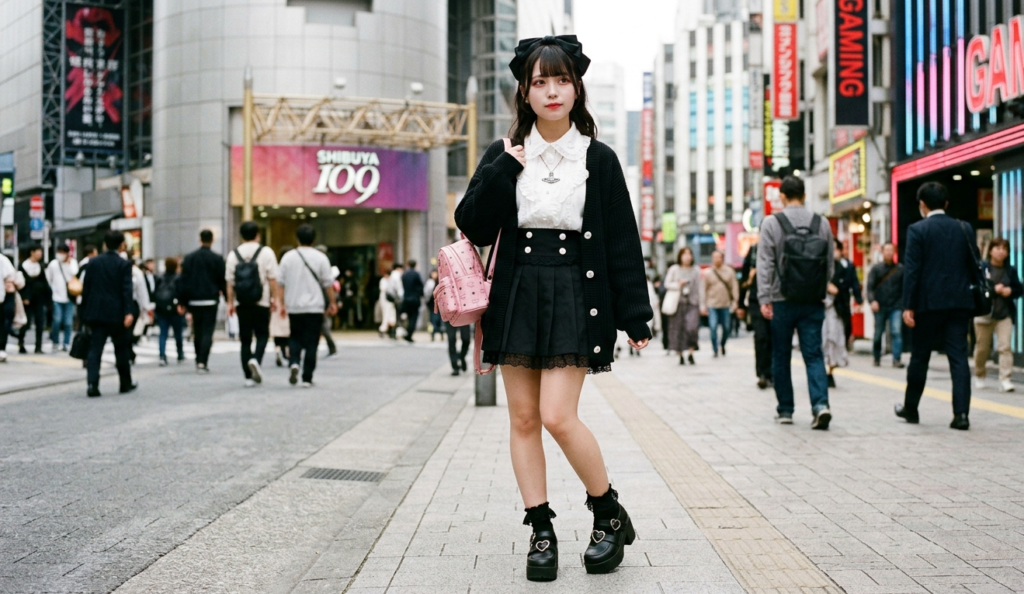
Outfit 1: Classic Jirai
Black high-waisted pleated mini skirt with lace trim. White high-collared lace blouse tucked in. Black oversized cardigan worn open. Black platform Mary Jane clogs with heart buckles. Lace trim socks. Long black satin hair bow. Vivienne Westwood Saturn necklace. Small pink MCM backpack. This is the most traditional jirai kei combination and the closest to what you would see in Kabukicho or Shibuya 109.
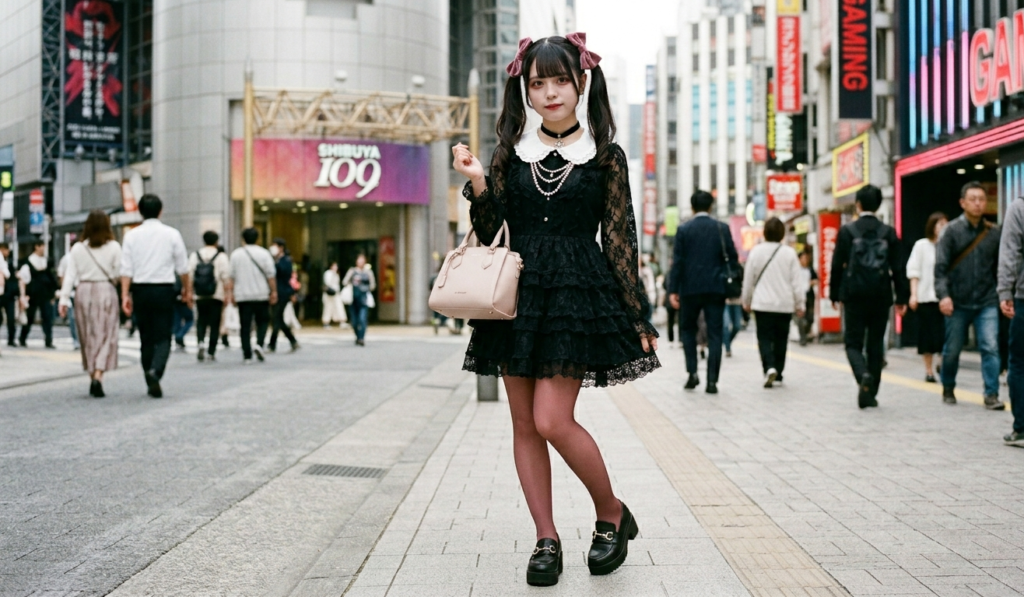
Outfit 2: Dark Romantic
Black lace frilled dress with Peter Pan collar. Dark pink sheer tights. Black platform loafers. Black velvet choker. Rhinestone and pearl layered necklaces. Twin tails with dark pink ribbon bows. Jill Stuart handbag in pale blush. This version leans more Gothic Lolita in its framing but stays firmly in jirai kei territory through the makeup and accessory choices.
Outfit 3: Everyday Jirai
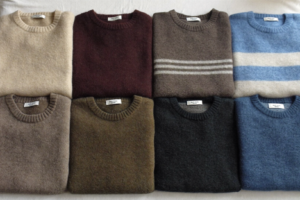
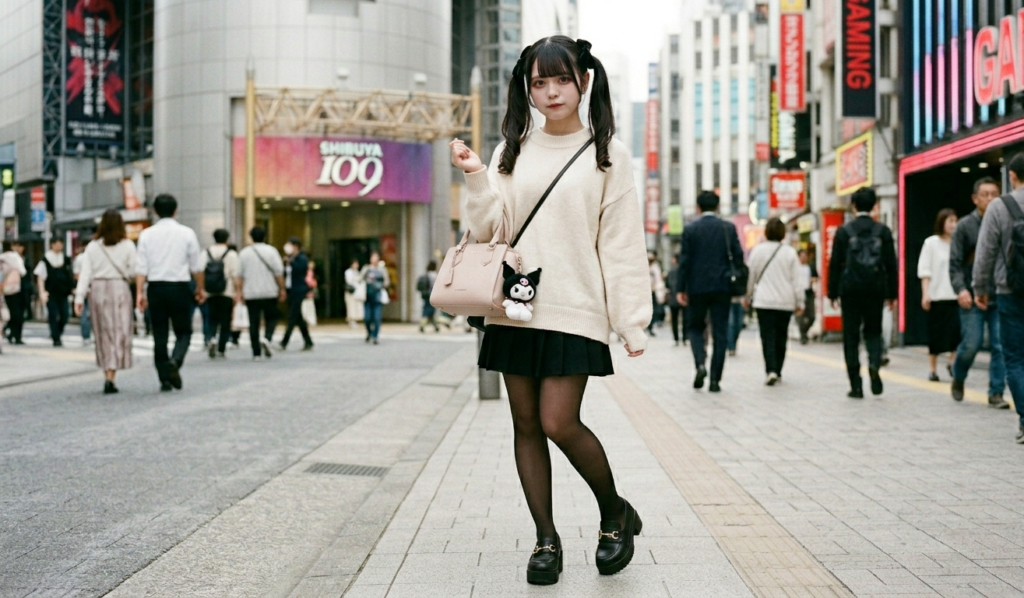
Oversized soft pink or cream knit sweater. Black pleated mini skirt. Dark opaque tights. Black platform sneakers or chunky loafers. Kuromi or My Melody bag charm attached to a small crossbody. Simple black hair bow. This is a more wearable everyday interpretation that keeps the core visual language without the full ceremonial weight of the classic look.
Outfit 4: Western Jirai Kei
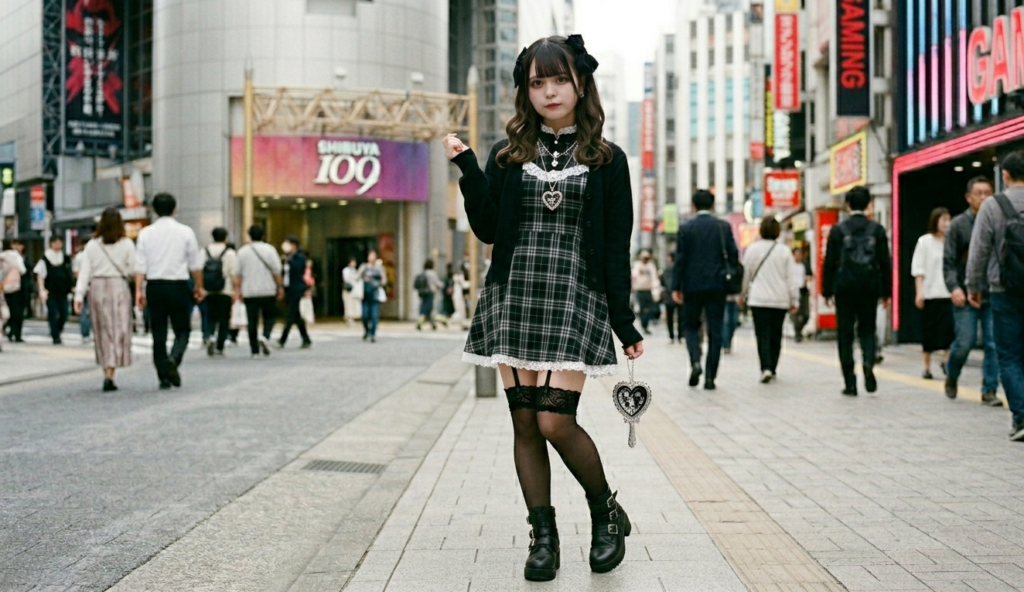
Black plaid dress with lace trim detail at the collar and hem. Black cardigan. Black platform boots with straps. Garter stockings. Layered thin necklaces with heart and cross charms. Black bow clip in soft waves. This interpretation works for jirai kei fans outside Japan who may not have access to Japanese brands but can source Western pieces that approximate the aesthetic.
Where to Shop for Jirai Kei Fashion
The most authentic jirai kei pieces come from Japanese brands, many of which are available through international shipping or proxy shopping services.
Shibuya 109
ROJITA
The most directly associated jirai kei brand. Collections balance sweetness with grown-up allure, consistent lace, ribbon, and feminine detailing. Available at Shibuya 109 and online.
Online + Stores
Yumetenbo / DearMyLove
A household name for kawaii and jirai-adjacent fashion. Wide variety, size inclusive, and constantly updated. One of the most accessible options for international buyers.
Shibuya 109
Ank Rouge
Feminine styles with a slight rebellious edge. A reliable source for blouses, skirts, and accessories that sit squarely in jirai kei territory.
Harajuku
Bubbles Tokyo
Playful, affordable pieces with strong alternative Japanese fashion energy. A great starting point for accessories and statement items.
Nationwide Japan
Spinns
Budget-friendly and widely available. A strong source for basics and affordable accessories without sacrificing the aesthetic.
Online
Secret Honey
More elaborate and romantic in design. Ruffles, bows, and heart details in abundance. Leans into the fairytale side of jirai kei.
For International Buyers
Proxy shopping services like Buyee, Remambo, and FromJapan let you purchase from Japanese stores that do not ship overseas directly. Zozotown and Rakuten also carry many of these brands and offer international shipping.
Frequently Asked Questions About Jirai Kei
Jirai kei (地雷系) translates to "landmine style" in Japanese. The name comes from the slang term "jirai onna" (landmine woman), which was originally a derogatory label for emotionally unpredictable women. The fashion subculture reclaimed and redefined the term, turning it into a form of identity and self-expression centered on emotional honesty.
Jirai kei originated in Tokyo's Kabukicho district and gained mainstream visibility in early 2020 through a viral makeup challenge on Japanese social media. It grew out of the intersection of nightlife culture, internet subculture, and the broader Japanese alternative fashion scene.
Black, white, and muted or dusty pink are the core jirai kei colors. Deep red and charcoal appear as accents. The contrast between the dark black and the soft pink is central to the aesthetic's visual identity.
The signature jirai kei makeup creates the appearance of having just been crying. Pale foundation, pink or red eyeshadow blended under the eyes, drooping downward eyeliner, large colored circle lenses, and rosy blush applied under the eyes and across the nose rather than on the cheekbones. Dark red or berry lips complete the look.
Yami kawaii makes illness and mental health themes explicit through imagery like bandages, pills, and syringes. Jirai kei expresses emotional darkness through contrast in clothing and makeup rather than direct illness symbolism. Both share an emotional darkness, but jirai kei is about vulnerability and complexity rather than sickness as an explicit aesthetic subject.
Ryosangata uses the same feminine silhouettes and sweet accessories but stays entirely in soft pastels and aims for a polished, universally appealing look. Jirai kei introduces darkness, high contrast, and the deliberately fragile emotional energy of the crying makeup. They share a visual base but have fundamentally different attitudes.
The most authentic pieces come from Japanese brands like ROJITA, Yumetenbo, Ank Rouge, and Bubbles Tokyo. International buyers can use proxy shopping services like Buyee, Remambo, or FromJapan to purchase from stores that do not ship overseas. Zozotown and Rakuten also carry many of these brands with international shipping options.
While jirai kei is most commonly associated with young women, the community includes people of all genders. The jirai danshi (landmine boys) identity exists within the subculture, and the broader themes of emotional expression and reclaiming derogatory labels apply across gender identities.