
What K-Beauty Actually Is
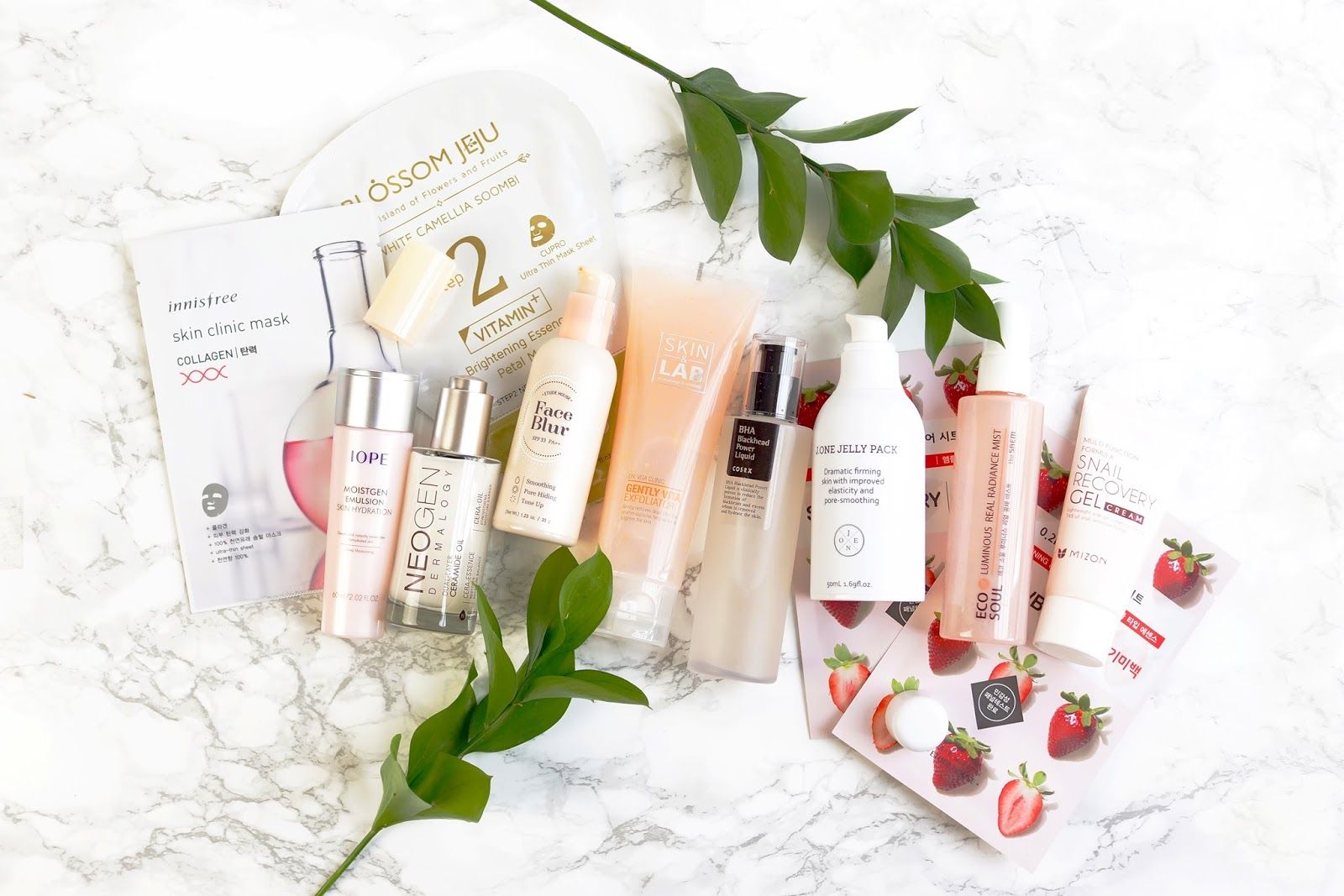
K-beauty, short for Korean beauty, is the umbrella term for skincare, cosmetics, and beauty products originating from South Korea. According to Wikipedia, K-beauty "focuses on health, hydration, and an emphasis on brightening effects," with an approach that prioritizes a lengthy skincare regimen over heavy makeup coverage. The goal is not to conceal the skin but to build it into the kind of skin that needs no concealment.
The term itself is relatively recent. K-beauty as a globally recognized category emerged in the late 2000s and accelerated significantly after 2011, when BB cream entered the US market and introduced Western consumers to the concept of a product that could function as skincare, foundation, moisturizer, and sunscreen simultaneously. But the philosophy and practices behind K-beauty stretch back through centuries of Korean cultural history.
What separates K-beauty from other beauty traditions is not primarily the products or the routine length. It is the underlying premise: skin health is the goal, not skin appearance. Korean cosmetics history shows that this emphasis on hydration, barrier function, and long-term prevention has remained consistent from ancient herbal formulations through to modern laboratory-developed actives.
"K-beauty became popular because it approached skincare as long-term skin health, not short-term correction. Skincare was developed with prevention, barrier preservation, and inflammation control in mind."
History: From the Three Kingdoms to Global Phenomenon
Korean beauty practices have documented roots stretching back over two thousand years. Wikipedia's article on Korean cosmetics records that "cosmetics in Korea date back to the time of the Three Kingdoms of Korea," where both men and women used plant-derived preparations including camellia oil, mung bean paste, safflower oil, and rice powder. These were not decorative products in the modern sense. They were functional preparations for skin protection, barrier maintenance, and social presentation.
The foundations
Korean beauty practices emerge with a focus on natural ingredients. Rice water, camellia oil, mung bean powder, and safflower oil are used for cleansing, brightening, and moisturizing. The Gyuhap Chongseo, an ancient women's encyclopedia, documents fragrance and cosmetic recipes. Beauty is tied to health and social status, not solely appearance. [Wikipedia: Korean Cosmetics]
Luminous skin as cultural ideal
The Goryeo era sees the golden age of Korean beauty culture. Luminous, translucent skin becomes a symbol of purity and health. Natural skincare is refined, and beauty rituals become more elaborate. Ingredients including honey, sesame oil, and herbal extracts are incorporated into daily routines. [Wikipedia: K-Beauty]
Confucian modesty shapes beauty philosophy
Confucian ideology shifts Korean beauty standards toward minimal makeup and meticulous skincare. Pale, clear, unblemished skin symbolizes virtue and social status. Women make toners from cucumbers, motherwort, and gourds. The emphasis moves from decorative makeup toward skin condition maintenance. [Wikipedia: South Korean Beauty Standards]
Foreign trade, mass production, and disruption
The Treaty of Kanghwa opens Korean ports, and Western influences begin shaping cosmetics culture. Korea's first mass-produced cosmetic, Bakgabun face powder, launches in 1916. Japanese colonization from 1910 disrupts domestic industry development. The Korean War from 1950 further delays the modern beauty industry's emergence. [Wikipedia: Korean Cosmetics]
The modern industry begins
South Korea passes a law banning foreign cosmetics imports in 1961, and the domestic industry begins to prosper. Homegrown brands including Amorepacific expand rapidly. French beauty companies had previously used Korean manufacturing facilities, and after their departure, Korean companies began using those same laboratories to develop their own formulations, establishing Korea as a cosmetics manufacturing hub. [Wikipedia: Korean Cosmetics]
Innovation boom: BB cream, sheet masks, cushion compacts
Korea develops several product formats that will reshape global beauty: BB cream as a multitasking skin-tone-evening moisturizer with SPF, the sheet mask as a concentrated hydration delivery system, and the cushion compact as a portable, buildable coverage device. These are not incremental improvements on existing products. They are entirely new product categories created by Korean innovation. [Wikipedia: K-Beauty]
Global expansion via Hallyu
BB cream enters the US market in 2011, beginning K-beauty's Western reach. The Hallyu Wave, the global spread of Korean pop culture through K-pop and K-dramas, brings unprecedented international attention to Korean beauty standards and products. By 2014, the South Korean cosmetics company Amorepacific's products experienced increases in skincare sales of up to 75 percent and lipstick sales up to 400 percent following a single K-drama product placement. The difference between Douyin and TikTok in how they carry these trends is significant: Douyin incubates and proves trends commercially in China first, then TikTok carries them to the rest of the world. [Wikipedia: K-Beauty]
$16 billion global market, still accelerating
The global K-beauty market reaches $16 billion, growing at 8.6 percent annually and projected to hit $34 billion by 2034. Amorepacific reports record consolidated revenue with overseas business growing 15 percent year-on-year. Global conglomerates including L'Oreal acquire Korean brands to access Korean formulation expertise. K-beauty is no longer a trend. It is an industry standard. [IMARC Group]
The K-Beauty Philosophy
K-beauty is often reduced to a product list or a step count in Western coverage. Neither captures what actually defines it. The distinguishing characteristic of K-beauty is a philosophy, not a formula. That philosophy rests on four principles that run consistently from ancient Korean skincare through to current global trends.
Prevention over correction
The goal is to prevent skin problems before they develop, not treat them after the fact. Daily SPF use, barrier-preserving ingredients, and consistent hydration are not optional extras. K-beauty treats skincare like fitness: consistency over months, not crisis-treatment.
Hydration as the primary mechanism
Virtually every K-beauty product ultimately serves hydration. This is rooted in the Korean skin ideal of chokchok, meaning bouncy and moist, and taeng-taeng, meaning firm and smooth. Water, not oil, is the first building block.
Skin as a long-term investment
Korean beauty culture treats skin maintenance like physical fitness. Daily attention and layered approaches produce results that single heavy applications cannot. Layering multiple light products yields optimal absorption.
Natural ingredients with scientific refinement
K-beauty draws on centuries of hanbang, traditional herbal medicine, pairing botanicals (ginseng, mugwort, rice) with modern lab actives (peptides, fermented compounds, barrier lipids).
Enhance, do not transform
Where Western makeup historically centered on coverage, K-beauty focuses on enhancement. The goal is skin that looks like the best version of itself. Skincare dominates over cosmetic makeup.
Skincare as ritual, not task
The multi-step routine is a deliberate daily ritual, closer to meditation than a chore. The steps are an expression of the philosophy that skincare is a complete sensory and restorative experience.
Core Ingredients and the Science Behind Them
K-beauty ingredients are not trend-driven curiosities. The most consistently used ones have research support from clinical studies, with several published in peer-reviewed journals accessible through PubMed and the National Institutes of Health. The tabs below cover the four categories of K-beauty ingredients by function.
A polysaccharide found in skin tissue holding up to 1,000x its weight in water. Hydrates and plumps. Multi-molecular weight complexes penetrate different depths to replenish moisture.
Research backedA complex mixture of proteoglycans, GAGs, copper peptides, and hyaluronic acid. Highly multi-functional: hydrates, repairs tissue, and fades hyperpigmentation.
Research backedLipid molecules forming the bulk of the skin's barrier layer. Prevents water loss and protects from irritants. Crucial for sensitive, barrier-compromised skin types.
NIH researchA well-understood humectant drawing moisture from the air to skin surface. Exceptionally safe, non-irritating base used across toners, essences, and creams.
Research backedA 2021 NIH review confirms niacinamide reduces aging progression and hyperpigmentation in trials by blocking melanosome transfer, enhancing barrier lipid synthesis, and smoothing fine lines.
NIH peer-reviewedAn ancient ingredient used since the Three Kingdoms era. Refines texture, softens, and brightens utilizing natural enzymes and vitamins from rice bran and ferments.
Historically documentedAntioxidant that inhibits melanin synthesis and supports collagen. Korean skincare prefers stable derivatives like ascorbyl glucoside to prevent quick oxidation.
Research backedTyrosinase inhibitor reducing dark spots without hydroquinone's side effects. Pairs with niacinamide for additive brightening effects without skin irritation.
Research backedAn NIH PMC study confirms centella heals acne, wounds, and burns via asiaticoside and madecassoside, stimulating collagen synthesis while calming inflammation.
NIH peer-reviewedTraditional herbal active famous for calming red, irritated, and acne-prone skin. Antifungal and anti-inflammatory properties soothe the skin barrier.
Traditional and modernPolyphenol-rich antioxidant shielding skin from UV stress and environmental damage. High in EGCG to reduce inflammation and balance oil production.
Research backedHumectant converting to pantothenic acid in skin cells to aid barrier repair, calm irritation, and seal hydration. Low irritation profile makes it ideal for sensitive skin.
Research backedPrimary hanbang herbal active. Rich in ginsenosides to boost circulation, defend against aging stressors, and smooth fine lines. Utilized in luxury anti-aging lines.
Traditional and modernBreakdown of botanicals into micro-particles for superior absorption. Adds amino acids and organic enzymes to deeply nourish skin cells.
Research backedResin collected by bees with antibacterial and soothing properties. Treats blemish-prone skin while deeply moisturizing and repairing the skin barrier.
Research backedAncient cleanser mentioned in Joseon historical records. Rich in saponins to naturally wash away dirt and impurities without stripping natural oils.
Historically documented
The K-Beauty Routine Explained
The K-beauty routine became famous for its ten steps, a number that entered global beauty media around 2015 and was variously praised as transformative and criticized as excessive. Both responses missed the point. The ten steps were never a mandatory daily requirement. They were a complete expression of the K-beauty philosophy: every layer serves a purpose, every product addresses a specific skin need, and the accumulation of thin, easily absorbed layers produces better results than one heavy product applied once. Wikipedia describes the regimen as involving "cleansing rituals, sheet masks, essences, serums, moisturizers, cushion compacts, fermented products, and SPF 35 sunscreen."
Modern K-beauty routines are typically simplified to between three and six steps for daily use, with the full expanded routine used on specific days or evenings. The order matters because layering from lightest to heaviest consistency allows each product to absorb properly before the next is applied.
Oil cleanser
The first step in double cleansing. An oil-based cleanser dissolves oil-based impurities including sunscreen, makeup, and sebum that water-based products cannot remove. Applied to dry skin and emulsified with water before rinsing. This step is essential in the evening and optional in the morning.
Water-based cleanser
The second cleanse removes water-soluble impurities including sweat and environmental pollutants. Used after the oil cleanser for a thorough but non-stripping clean. A gentle, low-pH cleanser that does not disrupt the skin's natural acid mantle. This step preserves the barrier that the rest of the routine is designed to support.
Exfoliant 1 to 2 times per week
A chemical exfoliant using AHAs such as lactic acid or glycolic acid for surface cell turnover, or BHAs such as salicylic acid for pore-clearing. K-beauty favors gentler concentrations used regularly rather than aggressive treatments used occasionally. Not a daily step.
Toner
The K-beauty toner is fundamentally different from Western astringent toners. It is a hydrating, pH-balancing, skin-conditioning first layer rather than a drying treatment. Applied with hands or a cotton pad to prepare the skin to absorb subsequent steps. Often applied in multiple thin layers, a technique called the 7-skin method, for intensive hydration.
Essence
One of K-beauty's signature product categories. A lightweight, concentrated liquid thinner than a serum but thicker than a toner. Essences typically contain fermented actives, hyaluronic acid, or other hydrating and repairing ingredients in a form the skin absorbs rapidly. Often considered the heart of the K-beauty routine.
Serum or ampoule
The treatment step. Serums contain the highest concentration of active ingredients for specific skin concerns: niacinamide for brightening, centella for barrier repair, vitamin C for antioxidant protection, retinol for anti-aging. An ampoule is a more concentrated version of a serum, used for short treatment periods rather than daily long-term use.
Sheet mask 2 to 3 times per week
A fiber or hydrogel sheet saturated with active serum pressed to the face for 15 to 20 minutes to force concentrated ingredients into the skin under occlusion. A K-beauty invention that has become a globally adopted product category. Most effective used after serum on freshly cleansed, toned skin. Not a daily step for most users.
Eye cream as needed
A formulation specifically designed for the thin, delicate skin around the eyes, which has fewer sebaceous glands than the rest of the face and requires dedicated hydration. Applied with the ring finger using a light tapping motion to avoid pulling the skin.
Moisturizer
The occlusive seal that locks in all the layers applied beneath it. K-beauty moisturizers tend to be lighter in texture than Western equivalents because the layering approach means the skin is already deeply hydrated by the time moisturizer is applied. The moisturizer's job is to prevent water loss from the layers underneath, not to deliver hydration itself.
Sunscreen (AM only)
The single most important product in any skincare routine. Korean sunscreen formulations are recognized globally as among the most advanced available, combining high SPF with textures thin enough to wear comfortably under makeup. Wikipedia notes K-beauty routines include SPF 35 sunscreen as standard. In Korean beauty culture, daily SPF is non-negotiable regardless of weather or season.
K-Beauty vs Western Skincare
The most useful way to understand K-beauty is to see where it diverges from the Western beauty approach that most global consumers were raised with. The differences are not primarily about ingredients. They are about philosophy, priority, and product architecture.
| Element | K-beauty | Western skincare |
|---|---|---|
| Primary goal | Skin health, prevention, long-term barrier function | Targeted treatment of existing concerns |
| Approach | Layering multiple light products | Fewer, more concentrated products |
| Coverage philosophy | Enhance natural skin, minimize the need for coverage | Use coverage products to correct appearance |
| Active concentrations | Lower doses used consistently over time | Higher doses used for faster results |
| Exfoliation style | Gentle chemical exfoliation regularly | Often stronger treatments less frequently |
| Sunscreen attitude | Non-negotiable daily, any season or weather | Often used only for outdoor activities |
| Product innovation speed | Extremely fast, driven by consumer feedback loops | Slower, driven by clinical trial pipelines |
| Packaging | Aesthetically considered, often collectible design | Functional, clinical aesthetic common |
| Skin ideal | Dewy, luminous, glass skin | Matte, even-toned, powdered finish historically |
| Traditional ingredients | Central, alongside modern science | Less emphasis, more synthetic-focused historically |
Source: IMARC Group K-Beauty Products Market Report. CAGR of 8.61% from 2026 to 2034.
Glass Skin: The Defining K-Beauty Goal
Glass skin is the term for the Korean skin ideal that has become the most globally recognizable concept in K-beauty. Wikipedia describes the ideal as "dewy skin, meaning smooth, hydrated, clear, resilient, and shiny." The Korean beauty lexicon has two specific terms for this: chokchok, which describes skin that is bouncy and moist, and taeng-taeng, which describes skin that is firm and smooth.
Glass skin is not a makeup look. It is a skin condition. You cannot achieve it with highlighter or dewy-finish foundation. It comes from consistent, long-term skincare that builds the skin's moisture levels, repairs the barrier, reduces hyperpigmentation, and maintains cellular turnover. The glass skin appearance is the visible result of a healthy skin barrier holding optimal hydration levels. This is why K-beauty's emphasis on hydration layering, barrier-preserving ingredients, and daily SPF protection are all directly connected to achieving the glass skin ideal.
The glass skin concept has been misread in Western beauty media as exclusively aesthetic, a look to imitate. Within Korean beauty culture it functions as a health marker: skin that is genuinely glass-like is skin that is functioning correctly. The moisture content is high, the barrier is intact, inflammation is low, and cellular processes are running properly. The appearance follows from the condition.
K-Beauty and the Acubi Aesthetic
The acubi aesthetic and K-beauty are not the same thing, but they are deeply connected. The acubi aesthetic is a Korean minimalist fashion movement built on neutral colors, oversized silhouettes, and quiet cool. K-beauty is the skincare and beauty philosophy that underpins the visual ideal the acubi aesthetic is aiming for.
The acubi makeup approach, covered in the acubi makeup guide, is built entirely on K-beauty principles: glass skin as the base, minimal product, dewy finish, no heavy coverage. The skin condition is the look, not the makeup applied over it. This is why K-beauty skincare is inseparable from the acubi aesthetic. You cannot achieve the acubi makeup look without the K-beauty skincare foundation beneath it.
The same principle applies across the acubi aesthetic cluster. The Douyin fashion ecosystem that amplified the acubi look globally also amplified the glass skin and K-beauty beauty standards that accompany it. The Douyin makeup look is one of the most direct expressions of K-beauty principles on any platform, built on the same glass skin base, gradient lips, and dewy finish that define Korean beauty at large. K-pop idols whose off-duty styling defines the acubi wardrobe template are also the primary global faces of K-beauty products. This extends to acubi hairstyles too: the natural, low-effort, health-focused hair approach shares the exact same K-beauty philosophy as the skincare routine beneath it. The two systems, the fashion aesthetic and the beauty philosophy, evolved together and reinforce each other.
Frequently Asked Questions
K-beauty connects to everything on this site
The skincare philosophy behind the acubi aesthetic, explained.